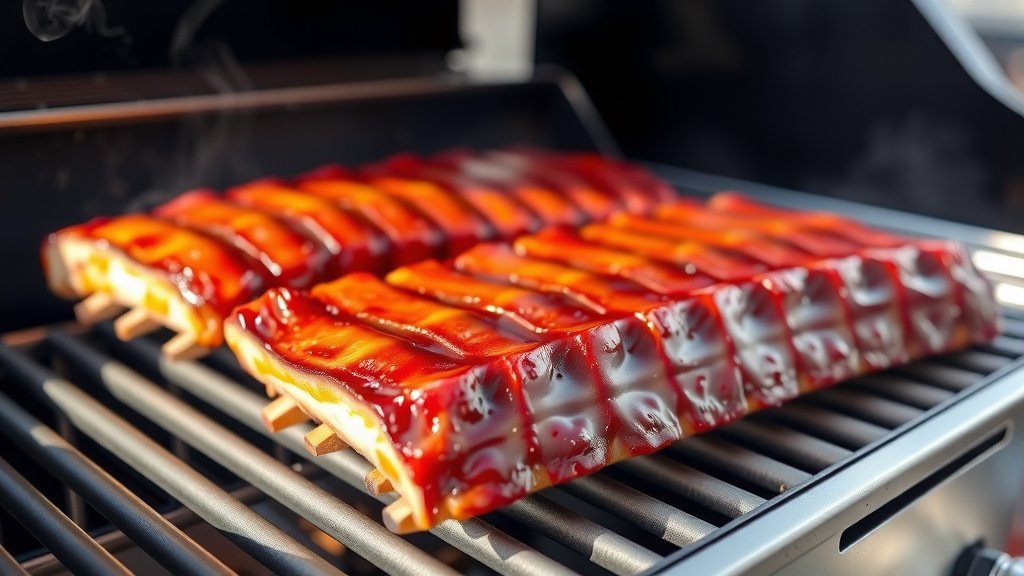
Cooking ribs on the BBQ grill requires a low and slow approach using indirect heat to achieve tender, fall-off-the-bone results.
You’ll need to prepare your ribs, apply a good rub, manage your grill temperature carefully, and allow ample cooking time.
Here’s the straightforward answer to grilling perfect ribs:
- Choose the right ribs, like baby backs or spare ribs, and remove the membrane.
- Season generously with your favorite dry rub.
- Set up your BBQ grill for indirect heat, aiming for 250-275°F (120-135°C).
- Cook ribs low and slow, potentially wrapping them in foil partway through for extra tenderness.
- Finish with BBQ sauce in the last 30 minutes and let them rest before serving.
How To Cook Ribs On The BBQ Grill?
Learning how to cook ribs on the BBQ grill can seem like a big task, but it’s quite achievable with the right steps. The key is to manage your heat and be patient, letting time do its magic.
Choosing Your Ribs Wisely
Before you even light the grill, picking the right rack of ribs makes a huge difference. Are you craving something meaty and easy to handle, or do you prefer a classic, robust flavor? Let’s look at the popular choices.
Baby Back Ribs Explained
Baby back ribs, often called loin ribs, come from the upper rib cage connected to the backbone. They are shorter, leaner, and typically cook faster. Many home grillers love them for their tenderness and milder flavor.
Spare Ribs: The Heartier Choice
Spare ribs are cut from the belly of the pig, closer to the breastbone. They are larger, fattier, and packed with more meat. This extra fat means more flavor and moisture, though they do require a longer cooking time.
Essential Prep Before Grilling
Proper preparation sets the stage for fantastic ribs. Don’t skip these simple steps, they make a big impact on the final taste and texture.
Removing the Membrane
Beneath the bones on the concave side of the ribs, you’ll find a thin, silvery membrane. We found that removing this membrane is vital for tender ribs (USDA). If you leave it on, your ribs will be chewy and the rub won’t penetrate as well. It usually peels off easily with a paper towel and a blunt knife.
Applying Your Rub
After membrane removal, it’s rub time! A good dry rub is the backbone of flavor for grilled ribs. Apply it generously all over the ribs, pressing it gently to help it stick. You can do this right before grilling or let them sit in the fridge for a few hours for deeper flavor penetration. Some experts suggest overnight seasoning for the best results.
Setting Up Your Grill for Success
Temperature control is non-negotiable when grilling ribs. You’re aiming for “low and slow,” which means indirect heat. This method gently cooks the meat, breaking down tough connective tissues into delicious gelatin.
Indirect Heat: Your Best Friend
Indirect heat means the ribs aren’t directly over the flame or coals. This prevents burning and allows for even cooking. Think of your grill becoming a convection oven for your ribs.
Gas Grill Setup
On a gas grill, this means turning on one or two burners on one side to a medium-low setting. You’ll place your ribs on the opposite side, where the burners are off. Aim for a grill temperature between 250-275°F (120-135°C).
Charcoal Grill Setup
For charcoal, bank your hot coals to one side of the grill. You’ll place a drip pan on the empty side, and then your ribs above the drip pan. Adding a few wood chunks to the coals can give a beautiful smoky flavor, too.
The Step-by-Step Grilling Process
Now, let’s get those ribs on the heat. Patience is your secret ingredient here. Rushing the process will only lead to tough, unevenly cooked ribs.
Initial Cook: Low and Slow
Place your seasoned ribs, bone-side down, on the indirect heat side of your grill. Close the lid and let them cook. This initial phase can take anywhere from 2-3 hours, depending on the rib type and your grill’s consistency.
Maintaining Temperature
Keep a close eye on your grill thermometer. Fluctuations are normal, but try to keep it within the 250-275°F (120-135°C) range. Adjust gas burners or add a few more coals if needed. Don’t lift the lid too often; “if you’re looking, it’s not cooking” is a common BBQ saying for a reason.
Spritzing for Moisture
Many grill masters swear by spritzing ribs every hour or so. This keeps the surface moist and helps create a beautiful bark. A simple mix of apple cider vinegar and water works wonderfully. Some people even use apple juice or beer.
| Spritzing Liquid | Primary Benefit | Notes |
|---|---|---|
| Apple Cider Vinegar (50/50 with water) | Moisture, slight tang | Classic choice, helps tenderize |
| Apple Juice | Sweetness, moisture | Adds a subtle fruity flavor |
| Beer or Broth | Savory depth, moisture | Complements a robust rub |
The Foil Wrap Stage (Optional, but Recommended)
After about 2-3 hours of direct smoke/heat, many people opt to wrap their ribs in foil. This creates a steamy environment, making the ribs incredibly tender. It’s often called the “Texas Crutch” in BBQ circles.
Why Wrap Your Ribs?
Wrapping helps to push the ribs past the “stall” where moisture evaporation cools the meat, slowing cooking. It also helps to tenderize the meat without drying it out. The steam essentially braises the ribs, making them incredibly juicy.
Wrapping Instructions
Carefully remove the ribs from the grill. Place each rack on a large piece of heavy-duty foil. You can add a splash of apple juice, broth, or even a pat of butter inside the foil for extra moisture. Seal the foil tightly and return the wrapped ribs to the indirect heat section of your grill for another 1-2 hours.
Finishing Strong: Sauce and Tenderness
Once wrapped and tender, it’s time for the final touches. This is where you can add that sticky, sweet, or tangy BBQ sauce.
When to Apply BBQ Sauce
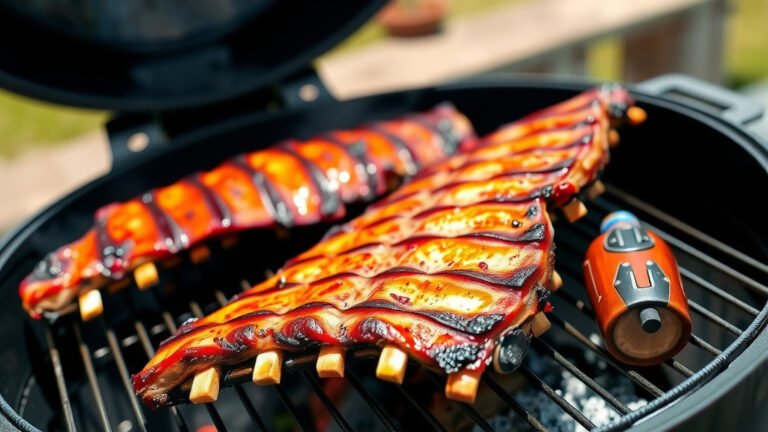
Unwrap the ribs and return them to the grill, still over indirect heat. Now is the time to brush on your favorite BBQ sauce. Apply it in thin layers during the last 30 minutes of cooking. This allows the sauce to caramelize slightly without burning. Too early, and the sugars in the sauce will char.
Knowing When Your Ribs Are Perfect
How do you know when your ribs are truly done? It’s less about a specific internal temperature (though 195-205°F is a good guide) and more about feel and tenderness. Ribs are ready when the connective tissue has broken down.
The Bend Test Explained
The most common and reliable method is the bend test. Pick up a rack of ribs with tongs in the middle. If they bend significantly and the meat starts to crack on the surface, they’re ready. The bones should also be visible when you lift them, with the meat having pulled back slightly.
Resting Your Ribs
Just like any other grilled meat, ribs benefit greatly from a rest. Once they pass the bend test, take them off the grill and tent them loosely with foil. Let them rest for 15-20 minutes. This allows the juices to redistribute throughout the meat, resulting in a juicier, more flavorful bite. Don’t skip this step!
Grilling Ribs Checklist
To keep things straightforward, here’s a quick checklist for your rib grilling adventure:
- Choose your favorite ribs (baby back or spare).
- Remove the tough membrane from the bone side.
- Apply a generous amount of dry rub.
- Set up your grill for indirect heat (250-275°F).
- Cook ribs low and slow for 2-3 hours.
- Spritz with liquid every hour for moisture.
- Wrap in foil for 1-2 hours (optional, for tenderness).
- Unwrap and apply BBQ sauce during the final 30 minutes.
- Perform the bend test to check for doneness.
- Rest the ribs for 15-20 minutes before slicing.
Common Rib Grilling Mistakes to Avoid
Even seasoned grillers can make simple errors. One common mistake is cooking at too high a temperature, leading to tough or burnt ribs. Another is not removing the membrane, which makes ribs chewy. Also, saucing too early will often result in a burnt, bitter crust. Avoid these pitfalls for truly great ribs.
Conclusion
Grilling ribs on the BBQ grill is a journey, not a race. It requires patience, careful temperature management, and a bit of love. By following these steps, from choosing the right ribs to the final resting period, you’re well on your way to creating incredibly tender, flavorful ribs that will impress everyone. So fire up that grill, take your time, and enjoy the delicious rewards.
How long does it take to cook ribs on a BBQ grill?
The total cooking time for ribs on a BBQ grill can range from 4 to 6 hours when using the low and slow indirect heat method. Baby back ribs tend to cook faster, usually in 3-4 hours, while larger spare ribs might take 5-6 hours. This timeframe includes any optional foil wrap stage.
What temperature should I grill ribs at?
For grilling ribs using indirect heat, aim for a consistent grill temperature between 250°F (120°C) and 275°F (135°C). This lower temperature range allows the connective tissues in the ribs to slowly break down, resulting in tender, juicy meat without drying it out.
Do I need to wrap ribs in foil when grilling?
Wrapping ribs in foil during grilling is an optional, but often recommended, step. It helps to tenderize the ribs by steaming them in their own juices and pushes them through the “stall” phase, making them incredibly moist. Many grillers wrap ribs for about 1-2 hours during the middle of the cooking process.
How do I know if my ribs are done without a thermometer?
You can tell if your ribs are done using the “bend test.” Pick up a rack of ribs in the middle with tongs. If the rack bends easily and the meat starts to crack on the surface, they are likely ready. The meat should also have pulled back from the ends of the bones, exposing about a quarter to a half-inch of bone.
When should I put BBQ sauce on my grilled ribs?
Apply BBQ sauce to your grilled ribs during the last 30 minutes of cooking. Brushing the sauce on earlier can cause the sugars in the sauce to burn, leading to a bitter taste. Multiple thin layers of sauce applied in the final stage will caramelize beautifully, creating a delicious, sticky glaze.