To cook a rib roast on a gas grill, you’ll use a two-zone cooking method: high heat for searing, then low, indirect heat to roast it slowly until it reaches your desired internal temperature.
This approach gives your rib roast a beautiful crust while keeping the inside tender and juicy, replicating oven-style results with that smoky grill flavor.
- Prepare your rib roast by trimming, seasoning generously, and tying it for even cooking.
- Set up your gas grill for two-zone cooking: high heat on one side, no heat on the other.
- Sear the roast over direct high heat for a few minutes per side to develop a flavorful crust.
- Move the roast to the indirect heat side, close the lid, and cook it slowly to your target internal temperature.
- Always let your rib roast rest for at least 20-30 minutes after grilling to lock in all the juices.
How To Cook A Rib Roast On A Gas Grill?
Cooking a rib roast on a gas grill involves initial searing followed by indirect roasting to achieve a perfect, evenly cooked result.
You will create a delicious crust and a tender interior, rivaling oven cooking with the added benefit of a subtle grilled flavor.
Thinking about a special meal? A rib roast is always a showstopper. But maybe you don’t want to turn on your oven. Or perhaps you just love the idea of grilling. Good news: your gas grill is perfectly capable of handling this task. It offers a unique smoky taste that an indoor oven can’t match.
Choosing Your Rib Roast
Picking the right cut is the first step toward grilling success. You’ll often see “prime rib” or “standing rib roast” at the butcher. Both are excellent choices for the grill.
Look for a roast with good marbling throughout. Marbling means tiny flecks of fat, which melt during cooking. This ensures a moist and flavorful roast. Many experts say that better marbling equals a juicier final product.
Bone-In vs. Boneless Cuts
Bone-in roasts often offer a bit more flavor. The bones insulate the meat, leading to more even cooking. However, boneless roasts are easier to carve once cooked. It’s really a matter of personal preference.
Some chefs even claim that cooking with the bones on can prevent drying out. If you choose boneless, you might consider tying it tightly. This helps it hold its shape and cook consistently.
Essential Prep for Grill Success
Preparation is key to any great meal. A little effort here makes a big difference in the final taste and texture. Don’t skip these steps, as they set you up for perfection on the grill.
Trimming and Tying the Roast
Start by trimming any excess hard fat from the outside. You want to leave a thin layer, about a quarter-inch, for flavor. This fat will render and baste the meat as it cooks.
For bone-in roasts, you might ask your butcher to “chine” the bones. This means cutting the bones away from the meat slightly. It makes carving much easier later. Then, tie the roast with butcher’s twine. Tying helps the roast maintain its shape and ensures even cooking from end to end (Mayo Clinic).
Seasoning for Flavor
A great rib roast doesn’t need much. Coarse salt and freshly cracked black pepper are standard. Apply them generously all over the roast. We found that a good rub applied at least an hour before grilling helps flavors sink in.
For even more flavor, consider a simple herb rub. Garlic powder, onion powder, rosemary, and thyme are popular choices. Just rub it all over, making sure to get into every crevice. You can even do this a day ahead, storing it in the fridge.
Setting Up Your Gas Grill
Your gas grill needs to be ready for two distinct cooking zones. This is how you’ll get that beautiful sear and gentle roast. It’s like having two ovens in one machine, controlled by different burners.
Two-Zone Cooking Explained
Two-zone cooking is the secret to a perfect rib roast on the grill. Turn one or two burners on high heat for direct cooking. Leave the adjacent burners off; this creates your indirect heat zone. The direct heat is for searing, the indirect for slow roasting. We found this method offers incredible temperature control for large cuts of meat.
Preheat your grill to around 450-500°F over the direct heat side. The indirect side will be much cooler, around 275-300°F. Make sure your grates are clean before you start. A wire brush works wonders for removing old food bits.
The Grilling Process: Step-by-Step
Now, it’s time for the main event! The actual cooking on the grill takes careful attention. You’ll move your roast between zones to achieve the desired crust and interior. Don’t rush this process; patience leads to perfection.
Searing for that Perfect Crust
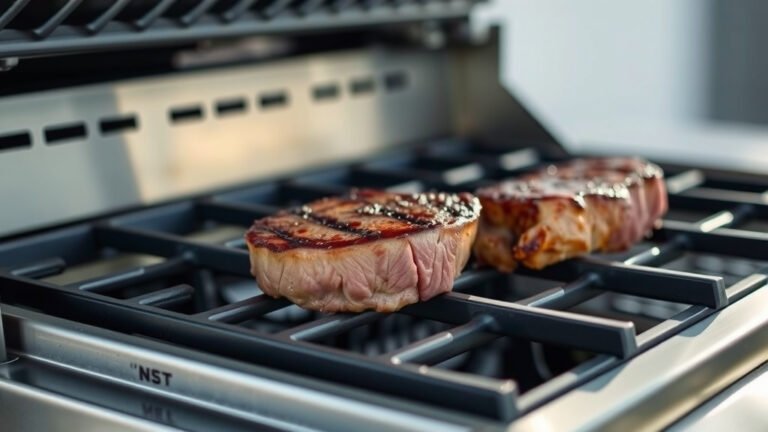
Place your seasoned rib roast directly over the high heat burners. Sear each side for 2-3 minutes. You want to see a nice, dark brown crust develop. This crust is full of flavor and helps seal in juices. It’s called the Maillard reaction, a beautiful chemical process.
Use long tongs to carefully turn the roast. Be sure to sear all sides, including the ends. Don’t walk away during this step; it happens quickly. Once well-seared, you’re ready to move to the next stage.
Indirect Roasting to Perfection
Move the seared roast to the indirect heat side of your grill. Close the lid immediately. This turns your grill into an oven. Maintain a grill temperature around 275-300°F for slow roasting. This gradual cooking ensures the meat stays tender. It also allows the internal temperature to rise evenly.
How long does it take? This depends on your roast’s size and desired doneness. A 4-pound roast might take 1.5 to 2 hours. A 7-pound roast could take 2.5 to 3 hours. Always rely on a good meat thermometer. It’s your best friend here, giving you accurate cooking information.
Monitoring Temperature for Doneness
This is where a reliable meat thermometer becomes truly essential. You cannot guess doneness for a rib roast. An instant-read thermometer will give you precise readings. Insert it into the thickest part of the meat, avoiding any bones. Research often connects accurate temperature readings with food safety (NIH).
Internal Temperature Guide
Use this table as your guide for delicious, perfectly cooked rib roast. Remember, the temperature will rise slightly during resting.
| Doneness | Remove from Grill | Final Temperature |
|---|---|---|
| Rare | 120-125°F | 125-130°F |
| Medium-Rare | 125-130°F | 130-135°F |
| Medium | 130-135°F | 135-140°F |
| Medium-Well | 135-140°F | 140-145°F |
The All-Important Resting Period
Once your roast hits your target temperature, take it off the grill. Transfer it to a cutting board. Tent it loosely with foil. Now, here’s the important part: let it rest for 20-30 minutes. Why? Resting allows the juices to redistribute throughout the meat. Cutting too early means juices will run out, leaving you with dry meat.
Think of it like a sponge that needs to absorb water back. This resting time continues the cooking process slightly, known as carryover cooking. It’s a simple step, but it makes a huge difference for a tender, juicy roast.
Slicing Your Masterpiece
After resting, it’s time to carve your beautiful rib roast. Remove the twine. If you have a bone-in roast, carefully slice along the bone to remove the rib rack. Then, slice the meat into individual portions. A sharp carving knife is your best friend here. Cut against the grain for the most tender bites. This means slicing perpendicular to the meat fibers. Enjoy your perfectly grilled creation!
Quick Checklist for Your Grill Day
Before you light those burners, quickly run through this list. It helps ensure a smooth, enjoyable cooking experience.
- Meat Thermometer: Is it charged and working?
- Butcher’s Twine: Do you have some on hand?
- Seasonings: Are they ready and measured?
- Tongs and Oven Mitts: Are they easily accessible?
- Foil: Ready for tenting the roast?
- Sharp Knife: Primed for carving?
Conclusion
Cooking a rib roast on a gas grill might seem like a big undertaking, but it’s very achievable. By mastering the two-zone cooking method, paying attention to internal temperatures, and allowing for a proper rest, you’ll create a truly memorable meal. Your guests will be impressed, and you’ll have the satisfaction of a perfectly grilled roast. Go on, fire up that grill and make some grilling magic!
What is the best type of rib roast for grilling?
A standing rib roast, either bone-in or boneless, works wonderfully on a gas grill. Look for good marbling, which ensures tenderness and flavor during the cooking process.
How do I prevent my rib roast from drying out on the gas grill?
The key is using indirect heat for most of the cooking, maintaining a consistent lower temperature, and always relying on a meat thermometer. Don’t overcook it past your target temperature.
Can I use wood chips for a smoky flavor with a gas grill?
Yes, you can! Place a small foil packet of pre-soaked wood chips directly over a lit burner. This will add a pleasant smoky essence to your rib roast without needing a charcoal grill.
Why is resting the rib roast so important after grilling?
Resting allows the muscle fibers to relax and reabsorb the juices that have migrated to the center of the roast during cooking. This results in a much juicier and more tender final product when sliced.
What temperature should my gas grill be for indirect cooking?
For indirect roasting of a rib roast, aim for a consistent grill temperature between 275°F and 300°F. This lower heat allows for slow, even cooking and prevents the outside from burning before the inside is done.