To cook a beef brisket on a pellet grill, begin by trimming excess fat and applying a generous dry rub. Smoke the brisket at a consistent temperature, typically around 225-275°F, until it develops a deep bark and reaches an internal temperature of about 165-175°F before wrapping.
Continue cooking the wrapped brisket until it is probe-tender, usually between 200-205°F, then allow it to rest for several hours before slicing against the grain for a perfectly juicy and tender result.
- Get started with a well-trimmed brisket, seasoned generously.
- Maintain a steady low smoke temperature, ideally 225-275°F.
- Wrap the brisket when it hits the “stall” around 165-175°F internal temperature.
- Cook until it’s fork-tender, targeting 200-205°F.
- Crucially, allow for a long rest period to redistribute juices before slicing.
How To Cook A Beef Brisket On A Pellet Grill?
Cooking a beef brisket on a pellet grill involves careful preparation, consistent temperature management, and patience. You’re aiming for a tender, juicy, and flavorful piece of meat that will impress everyone.
Choosing Your Brisket Wisely
Starting with the right brisket makes a significant difference. Look for a “packer” brisket, which includes both the flat and the point muscles. We found that a USDA Prime or Choice grade often yields the best results due to better marbling.
A heavier brisket, say 12-16 pounds, generally has more fat to render, contributing to a juicier outcome. Don’t be shy; pick one with good flexibility and an even fat cap.
What About Trim?
Trimming the fat is a crucial first step. You want to remove hard, thick fat that won’t render during the cook. Aim for about a quarter-inch thickness of fat on the entire top surface (the fat cap).
Many experts say leaving too much fat prevents the smoke and rub from penetrating the meat. Trim away any silver skin or small, hanging bits of meat as well. This meticulous work pays off for a better bark and flavor (Texas A&M AgriLife Extension).
Essential Seasoning for Brisket
Keep your brisket rub simple for classic barbecue flavor. A mix of coarse salt, black pepper, and garlic powder is often called a “Dalmatian rub.” This combination allows the beef flavor to truly shine.
Apply your chosen rub generously to all sides of the brisket. Imagine you’re giving it a nice, even coat, almost like a crust. Don’t be afraid to really pack it on.
Binder or No Binder?
Some people like to use a binder, such as yellow mustard or hot sauce, before applying the rub. This thin layer helps the rub stick better, creating a more consistent bark. Other pitmasters prefer to skip it, letting the moisture of the meat do the job.
We found that a binder doesn’t add much flavor but can aid in adhesion. It’s often a matter of personal preference, so feel free to experiment. Choose what feels right for you.
Firing Up Your Pellet Grill
Get your pellet grill ready for a long smoke session. Fill the hopper with your preferred wood pellets; hickory, oak, or a competition blend are popular choices for brisket. Many chefs suggest these pellets for a robust, smoky flavor.
Stable Temperature is Key
Preheat your pellet grill to a consistent temperature between 225°F and 275°F. We often recommend 250°F as a sweet spot. The key is to maintain this temperature throughout the initial smoking phase.
Using a good quality temperature probe connected to your grill is important. This helps you monitor the ambient temperature accurately. A stable temperature ensures an even cook and good bark development.
The Smoking Process Begins
Place your trimmed and seasoned brisket fat-side up on the grill grates. Close the lid and let the magic happen. The initial hours are all about absorbing that beautiful smoke flavor and developing a rich, dark bark.
Monitoring Your Brisket
Resist the urge to open the lid too often. “If you’re looking, you’re not cooking,” as the saying goes. Each time you open it, heat escapes and extends your cook time.
Use a reliable leave-in thermometer to monitor the internal temperature of the thickest part of the flat. You’re looking for it to slowly climb to around 160-170°F.
The Brisket Stall Explained
You’ll likely hit a “stall” during the cook. This is when the internal temperature of the brisket stops rising, sometimes for hours. It’s perfectly normal; it’s due to evaporative cooling on the surface of the meat.
Don’t panic! This is just part of the process. It’s a test of your patience and where many people decide to wrap their brisket. Understanding the stall means you’re closer to barbecue enlightenment.
When to Wrap Your Brisket
You should wrap your brisket when it hits the stall, usually around 165-175°F internal temperature, and when you’re happy with the color of your bark. Wrapping helps push through the stall and keeps the meat moist.
| Wrapping Material | Pros | Cons |
|---|---|---|
| Butcher Paper | Allows some smoke, creates good bark | Can be messy, less moisture retention |
| Aluminum Foil | Excellent moisture retention, speeds cook | Steams the bark, less smoky flavor |
Cooking to Perfection
Once wrapped, return the brisket to the pellet grill. Continue cooking at your set temperature. This phase focuses on tenderizing the meat until it reaches the perfect consistency.
Internal Temperature Target
The final internal temperature for brisket is usually between 200°F and 205°F. However, don’t rely solely on temperature; you’re looking for “probe tenderness.” The probe should slide into the meat with very little resistance, like butter.
The Importance of Resting
After reaching probe tenderness, the brisket isn’t done yet. Resting is perhaps the most critical step for a juicy brisket. It allows the meat fibers to relax and reabsorb those delicious juices.
How Long to Rest Brisket
Remove the wrapped brisket from the grill and let it rest at room temperature for at least one hour. For best results, consider placing it in an insulated cooler for 2-4 hours, or even longer. Many culinary guidelines point to this extended rest for superior texture and juiciness.
Here’s a quick checklist to ensure a great brisket:
- Quality Brisket: Start with a good grade of meat.
- Proper Trim: Remove excess hard fat.
- Consistent Temperature: Maintain steady heat in your smoker.
- Monitor Internal Temp: Use a reliable thermometer.
- Patience during the Stall: Trust the process, don’t rush.
- Long Rest: Give it ample time to relax before slicing.
Slicing Your Brisket
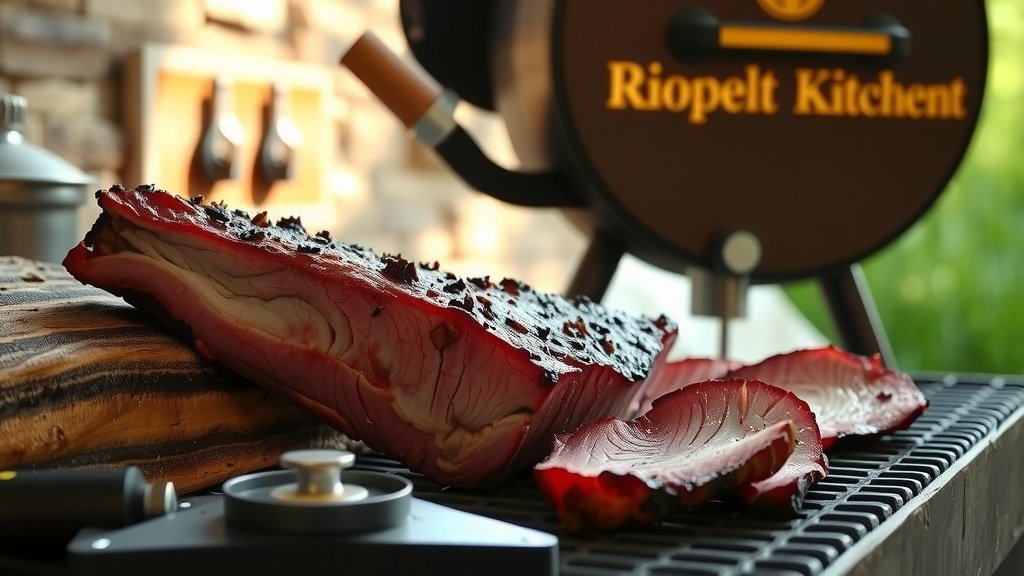
After its long rest, it’s time to slice your masterpiece. A sharp slicing knife is your best friend here. Uncover the brisket and separate the point from the flat if you haven’t already.
Against the Grain is Best
Always slice your brisket against the grain. Look closely at the meat fibers; they run in a certain direction. Slicing perpendicular to these fibers makes each bite incredibly tender and easy to chew. Slicing too thick or with the grain can make it tough.
Conclusion
Cooking a beef brisket on a pellet grill is a journey that rewards patience and attention to detail. From careful trimming and seasoning to managing temperatures and understanding the stall, each step contributes to the final, mouth-watering result. By following these guidelines, you’re not just cooking; you’re crafting an experience that brings friends and family together over truly incredible barbecue. Enjoy the process, and savor every tender, smoky bite.
How long does it take to cook a 15-pound brisket on a pellet grill?
A 15-pound brisket typically takes about 12-16 hours to cook on a pellet grill at 250°F. The actual time can vary based on the brisket’s thickness, fat content, and how consistently your grill holds temperature.
Should I spray my brisket during the smoking process?
Spraying your brisket with apple cider vinegar, water, or beef broth every hour or two after the bark sets can help keep the surface moist. This practice, often called “misting,” may prevent the bark from getting too dry but is not strictly necessary for a good cook.
What is the ideal pellet flavor for smoking brisket?
For brisket, popular pellet flavors include hickory, oak, mesquite, or a competition blend. Hickory offers a strong, classic smoke flavor, while oak provides a milder, balanced profile. Mesquite is often chosen for a more intense, robust smoke.
Can I cook brisket overnight on a pellet grill?
Yes, many people cook brisket overnight on a pellet grill due to the long cooking times. Pellet grills are known for their ability to maintain a consistent temperature for extended periods, making them ideal for overnight cooks. Just be sure your hopper has enough pellets to last through the night.
My brisket bark isn’t getting dark enough; what can I do?
To achieve a darker bark, ensure you’re using a generous amount of rub, particularly one with coarse black pepper. Avoid wrapping your brisket too early; allow it to smoke unwrapped until it develops a deep, dark color you like, often around 165-175°F internal temperature.