
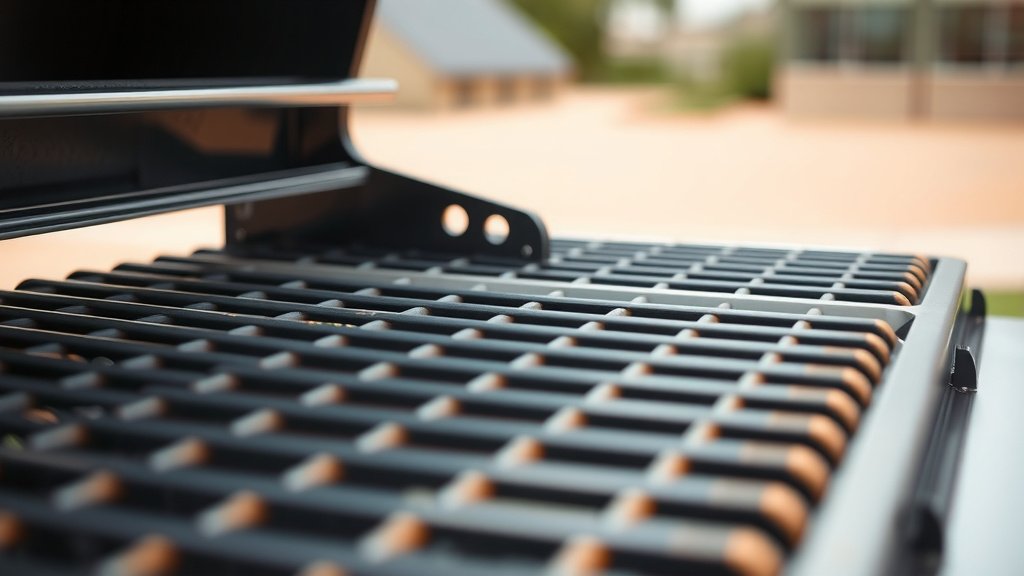
You can effectively clean rusty BBQ grill grates by applying a baking soda and vinegar paste, letting it sit, and then scrubbing the rust away.
For tougher rust, methods involving oven cleaner or a strong wire brush can also be very effective at restoring your grill’s cooking surface.
For those looking for a quick clean-up of their rusty BBQ grill grates, here’s the rundown:
- For light rust, a paste of baking soda and vinegar works wonders.
- Heavy rust often needs tougher solutions, like oven cleaner or a sturdy wire brush.
- Always rinse grates thoroughly after cleaning to remove all residue.
- Seasoning your grates after cleaning helps prevent future rust.
- Regular maintenance is your best friend against rust.
How To Clean Rusty BBQ Grill Grates?
Cleaning rusty BBQ grill grates involves a few key steps to get them ready for delicious cooking. The best approach often depends on how severe the rust really is.
Why Do BBQ Grill Grates Get Rusty?
Rust forms when metal, especially iron or steel, meets oxygen and moisture. Your grill grates are constantly exposed to the outdoor elements. Rain, humidity, and even leftover food particles can contribute to rust building up. Leaving grates uncleaned or uncovered speeds up this process considerably.
Is It Safe to Grill on Rusty Grates?
Many experts advise against grilling on heavily rusted grates. Tiny rust particles can flake off and stick to your food. Ingesting small amounts of rust is generally not harmful, but larger amounts or frequent exposure could lead to health issues (Cleveland Clinic). It is always best to ensure your cooking surface is clean and safe.
Preventing Rust Before It Starts
Stopping rust before it begins is simpler than removing it. Always make sure to clean your grates after each use. A good practice is to oil or “season” your grates regularly. Covering your grill when not in use also protects it from moisture. This simple care routine keeps rust at bay.
Effective Methods for Rust Removal
Don’t worry, a little rust doesn’t mean your grill is ruined. We found several reliable ways to bring those grates back to life. Choose the method that best fits the level of rust you’re dealing with.
The Vinegar and Baking Soda Approach
This is a fantastic method for moderate rust. It uses common household items. The acid in vinegar helps dissolve rust, while baking soda acts as a gentle abrasive. This combination creates a powerful, yet relatively safe, cleaning agent.
You will need white vinegar, baking soda, a spray bottle, and a sturdy brush. First, spray your grates thoroughly with vinegar. Then, sprinkle baking soda over them. Let this mixture sit for several hours, or even overnight, for best results. Finally, scrub the rust away with your brush. Rinse well and dry completely.
The Oven Cleaner Method
For really stubborn rust, oven cleaner can be a powerful ally. This method uses strong chemicals, so caution is important. Always work in a well-ventilated area and wear protective gloves and eye protection. Make sure you read the product instructions carefully before starting.
Spray the oven cleaner generously on the rusty grates. Place them in a large trash bag to seal in the fumes and help the cleaner work. Let them sit overnight. The next day, carefully remove them and scrub with a wire brush. Rinse repeatedly with hot water until all chemical residue is gone. This method is highly effective.
Wire Brush and Elbow Grease
Sometimes, good old-fashioned scrubbing is all you need. A stiff wire brush is essential for this method. This works best for light surface rust or after a chemical treatment to remove loosened rust particles. Many experts say a heavy-duty wire brush is a griller’s best friend (Barbecue Industry Association).
Simply use strong, back-and-forth motions to scrape the rust off the grates. You might need to apply a good deal of pressure. For tougher spots, a grill scraper can also be helpful. Always wear gloves to protect your hands. This method requires some physical effort.
Potato and Salt Trick
This natural method uses the oxalic acid in potatoes and the abrasive nature of salt. It’s surprisingly effective for light rust. Cut a potato in half. Dip the cut side into coarse salt. Then, rub the potato vigorously over the rusty areas of your grates. The salt acts as a scrubber, and the potato’s acid helps lift the rust. It’s a simple, eco-friendly option.
Choosing the Right Cleaning Method
Deciding which method to use depends on how bad the rust is and the type of grates you have. Cast iron grates might need gentler care than stainless steel. Here’s a quick guide:
| Rust Severity | Recommended Method | Notes |
|---|---|---|
| Light Surface Rust | Potato & Salt / Wire Brush | Quick and easy, minimal effort. |
| Moderate Rust | Vinegar & Baking Soda | Effective, uses common household items. |
| Heavy, Flaking Rust | Oven Cleaner / Strong Wire Brush | More aggressive, requires caution and ventilation. |
Essential Tools for Rust Removal
Having the right tools makes a big difference. Here’s what we found to be most helpful:
- Sturdy wire brush or grill scraper
- Heavy-duty rubber gloves
- Safety glasses
- Spray bottle
- Large trash bags (for oven cleaner method)
- Old rags or paper towels
Post-Cleaning Care: Seasoning Your Grates
After cleaning, seasoning your grates is super important. This creates a protective layer that helps prevent future rust and makes your food less likely to stick. To season, simply apply a thin, even coat of high-smoke-point cooking oil, like vegetable or canola oil. Then, heat your grill to a medium temperature for about an hour. This bakes the oil onto the grates, creating a non-stick, rust-resistant surface.
A Quick Checklist for Grate Care
- Clean grates after every use.
- Season grates regularly, especially after deep cleaning.
- Cover your grill when not in use.
- Store grates in a dry place if removed from the grill.
- Inspect for rust often and address it promptly.
Common Mistakes to Avoid
Many grillers accidentally promote rust. Leaving grates wet after cleaning is a big no-no; always dry them thoroughly. Using a worn-out wire brush can leave behind metal bristles, which are dangerous if ingested. Not covering your grill during bad weather is another common pitfall. Being mindful of these simple mistakes saves you a lot of trouble.
When to Replace Your Grates
Sometimes, rust is just too severe. If your grates have deep pitting, structural damage, or large flakes of rust that cannot be removed, it might be time for replacements. Severely corroded grates can compromise the structural integrity. Replacing them ensures safe cooking and better performance. Don’t be afraid to invest in new grates when necessary.
Conclusion
Cleaning rusty BBQ grill grates might seem like a chore, but it’s a vital part of grill maintenance. You have several effective methods at your disposal, from gentle household solutions to more intensive chemical treatments. Always prioritize safety and thorough rinsing after cleaning. Remember, a little prevention, like regular seasoning and covering your grill, goes a long way. Keeping your grates clean and rust-free means more enjoyable grilling and delicious meals for years to come. So go ahead, tackle that rust, and get ready for your next cookout!
Can I use steel wool to clean rusty grill grates?
Using steel wool on grill grates is generally not recommended. Steel wool can leave behind tiny metal fragments that might get into your food. It can also scratch the grate surface, potentially making it more prone to future rust.
How often should I clean my BBQ grill grates?
You should aim to clean your grill grates after every use, especially after cooking greasy foods. A quick brush down while the grill is still warm is usually enough. A deep clean for rust removal or heavy build-up might be needed a few times a season.
Does Coca-Cola help remove rust from grill grates?
Yes, Coca-Cola contains phosphoric acid, which can help dissolve rust. You can soak smaller grates in Coke for several hours or overnight. It’s often effective for lighter rust but might not be powerful enough for severe corrosion.
What kind of oil is best for seasoning grill grates?
For seasoning grill grates, choose an oil with a high smoke point. Good options include vegetable oil, canola oil, flaxseed oil, or grapeseed oil. These oils can withstand the high heat of your grill without breaking down quickly.
Is it okay to leave grates outside in the winter?
Leaving grates outside in winter is fine if they are properly cleaned, seasoned, and covered with a grill cover. However, for best preservation, some grillers prefer to remove their grates, clean them thoroughly, and store them indoors in a dry place.
