
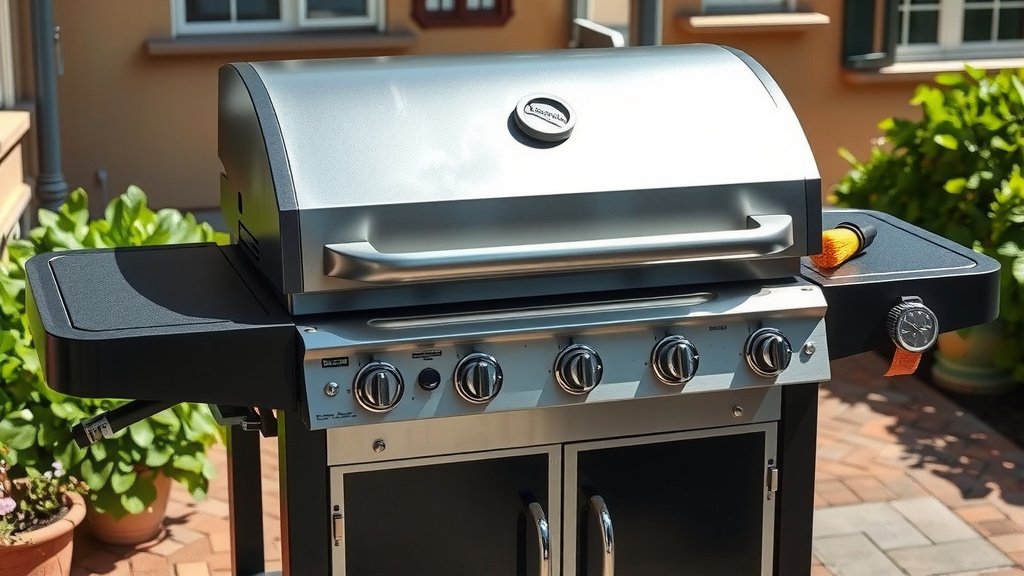
To clean rust off a Blackstone grill, first heat the griddle to loosen debris, then scrape away loose rust and food residue with a metal scraper.
Next, apply a natural acidic solution like white vinegar or lemon juice, and scrub vigorously with a coarse pad or pumice stone until the rust spots disappear.
- To clean rust off your Blackstone grill, you’ll need a scraper, white vinegar or lemon juice, a coarse scrubbing pad, paper towels, and griddle seasoning oil.
- The process involves heating and scraping the grill, applying an acidic cleaner, scrubbing the rust away, then thoroughly rinsing and drying.
- Re-seasoning your griddle immediately after cleaning is critical to prevent new rust and create a non-stick surface.
- Regular cleaning and proper storage are the best ways to keep your Blackstone rust-free for years of happy grilling.
How To Clean Rust Off Blackstone Grill?
Removing rust from your Blackstone griddle might seem daunting, but it’s a straightforward process when you know the steps. Many experts suggest a combination of physical scraping and mild acidic cleaners to restore your griddle (Blackstone Products). We will guide you through each step.
Why Does Your Blackstone Grill Rust?
Rust, often called “griddle leprosy” by some grill enthusiasts, appears when iron is exposed to oxygen and moisture. Your Blackstone griddle is made from rolled steel, which is essentially iron. Without proper care, it’s vulnerable.
The Enemy: Moisture and Lack of Seasoning
Think of your griddle’s seasoning as its raincoat. When this protective layer is gone, moisture from rain, humidity, or even leftover food particles can directly reach the steel. This leads to those unsightly orange spots we all dread.
Leaving food residue on the griddle also draws moisture, creating perfect rust conditions. We often forget how much impact a tiny bit of leftover grime can have on our cooking surfaces.
Gathering Your Rust-Busting Arsenal
Before you dive into battle with the rust, you’ll want to have all your supplies ready. This makes the whole cleaning process smoother and more efficient. It is like preparing for a cooking adventure, only this time you are cleaning.
What You’ll Need
You probably have most of these items around your home already. We find that having everything close at hand saves time and frustration. Let’s make sure you have everything ready for a successful cleaning.
- A heavy-duty metal griddle scraper or spatula
- White vinegar or lemon juice (mild acid)
- Coarse scrubbing pads (e.g., Scotch-Brite, Brillo pad, or steel wool)
- A pumice stone for tough spots (optional, but highly effective)
- Paper towels or clean rags
- Water
- High smoke point cooking oil (flaxseed, grapeseed, or Blackstone Griddle Seasoning & Conditioner)
The Step-by-Step Rust Removal Process
Now, let’s get down to business. Tackling rust requires a bit of elbow grease and patience, but the results are worth it. You’ll have that griddle looking good as new.
Step 1: Preheat and Scrape
Turn on your Blackstone to medium-high heat for about 10-15 minutes. This helps loosen any baked-on food and makes the rust easier to scrape. You will see some smoke and smell a bit of burning, which is normal.
Once heated, use your metal scraper to scrape off as much loose rust and food residue as you can. Angle the scraper to push debris into the grease trap. You want to get the majority of the loose stuff off before moving on.
Step 2: Apply Your Acidic Cleaner
Turn off the griddle. Now it is time to bring in the rust-fighting power of acid. Many cleaning experts suggest using natural acids for griddle cleaning to avoid harsh chemicals (Environmental Protection Agency).
Natural Rust Removers
Pour a generous amount of white vinegar directly onto the rusted areas. You can also use lemon juice if you prefer, as it has similar acidic properties. Let it sit for a few minutes, maybe 5-10 minutes, allowing the acid to work on the rust.
You may see a slight fizzing or bubbling as the acid reacts with the rust. This is a good sign! It means the process is working. Do not worry about the smell; it will dissipate quickly.
Step 3: Scrub, Scrub, Scrub!
This is where the elbow grease comes in. Using your coarse scrubbing pad, or a pumice stone for really stubborn spots, scrub the rusted areas vigorously. Apply pressure and work in small circles or back-and-forth motions.
You will see the rust turn into a brownish-black slurry. Keep scrubbing until the rust disappears and you see the bare metal again. This might take a few applications of vinegar and scrubbing, especially for heavily rusted areas.
Brillo Pads vs. Pumice Stone
A Brillo pad works well for lighter rust. For those truly tough, caked-on rust spots, many professionals recommend a griddle pumice stone. It is abrasive enough to remove rust without damaging the griddle surface if used correctly.
Step 4: Rinse and Dry Thoroughly
Once all the rust is gone, rinse the griddle surface with water. Wipe it clean with paper towels to remove all the acidic residue and rust particles. You want the surface to be completely free of any cleaning agents.
Now, turn the griddle back on to medium heat. This is crucial for drying. You want to evaporate all remaining moisture from the surface. Wipe with a clean paper towel until it is bone dry. Any lingering moisture will invite rust back immediately.
Re-Seasoning Your Griddle After Rust Removal
After all that hard work removing the rust, you need to protect your griddle. Re-seasoning is not just a suggestion; it’s a requirement to keep rust at bay and create that wonderful non-stick cooking surface.
Why Seasoning is Your Griddle’s Best Friend
Seasoning is a layer of polymerized oil that bonds to the griddle surface. This layer acts as a natural non-stick coating and, more importantly, a barrier against moisture and oxygen. It is like putting on a new, protective shield.
Research often connects proper seasoning with extended griddle life and improved cooking performance (Cook’s Illustrated). Skipping this step lets rust return quickly, which we certainly do not want.
The Re-Seasoning Checklist
Follow these steps to build a strong, protective layer:
- Heat the griddle to medium-high.
- Apply a thin layer of high-smoke point oil (e.g., grapeseed, flaxseed).
- Wipe off excess oil until the surface looks dry but still coated.
- Let the oil smoke off completely until the griddle stops smoking.
- Repeat steps 2-4 at least 3-4 times, or until the griddle darkens.
Preventing Future Rust on Your Blackstone
An ounce of prevention is worth a pound of cure, especially with griddles. Keeping rust away is much easier than removing it. Let’s look at how to maintain your griddle and keep it in top shape.
Golden Rules for Griddle Care
Many experienced griddle users follow these simple rules. They keep their griddles ready for action at all times. You want to make these habits part of your routine for long-lasting enjoyment.
| Action | Why It Helps |
|---|---|
| Clean After Every Use | Removes food debris that holds moisture. |
| Always Re-Season | Maintains the protective, non-stick barrier. |
| Store Properly | Keeps moisture away from the griddle surface. |
| Use a Hard Cover | Provides an extra layer of defense against elements. | Avoid Harsh Soaps | Can strip away your precious seasoning. |
Essential Maintenance Tips
After each cookout, always scrape down your griddle, wipe it clean, and apply a thin layer of cooking oil. This quick maintenance step is your best defense against rust. Think of it as putting your griddle to bed properly after a long day.
We often find that investing in a good griddle cover helps a lot, especially if your grill stays outdoors. This protects it from rain, dew, and dust, which all contribute to rust formation. Keep it dry, keep it oiled, and it will serve you well.
Conclusion
Cleaning rust off your Blackstone grill is a manageable task that extends the life and performance of your favorite cooking tool. By following these steps—scraping, applying a mild acid, scrubbing, and meticulously re-seasoning—you can restore your griddle to its former glory. Remember, consistent care and diligent seasoning are your best allies in preventing rust and ensuring countless delicious meals. Keep that griddle shining and ready for your next culinary creation!
How often should I clean rust off my griddle?
You should address rust spots as soon as you notice them, ideally before they spread. Regular cleaning and re-seasoning after every use will help prevent rust from forming in the first place.
Can I use dish soap to clean my Blackstone after removing rust?
It is generally not recommended to use dish soap on your Blackstone griddle, especially after removing rust, because it can strip away the seasoning. Water and a scraper are usually sufficient for cleaning, followed by a light oil application.
What kind of oil is best for re-seasoning a griddle?
High smoke point oils like flaxseed oil, grapeseed oil, avocado oil, or Blackstone’s own griddle seasoning and conditioner are excellent choices for re-seasoning. These oils create a durable, protective layer.
Is it safe to cook on a griddle that had rust but was cleaned?
Yes, absolutely. Once you have thoroughly removed all the rust and properly re-seasoned your griddle, it is safe to cook on. The cleaning process removes the harmful rust, and seasoning creates a safe cooking surface.
What if my griddle keeps getting rusty quickly?
If rust returns quickly, you may not be re-seasoning enough, or moisture might still be an issue. Ensure you are applying enough oil after each use, drying the griddle completely, and using a protective cover, especially if stored outdoors. Check for condensation buildup under the cover as well.
