
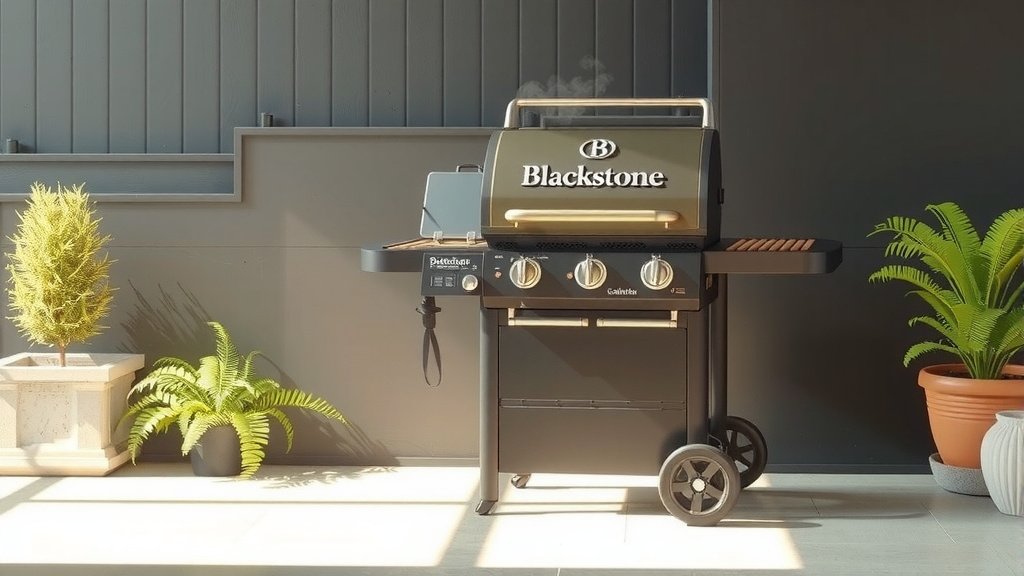
To clean a rusty Blackstone grill, you’ll want to start by scraping off loose rust, then apply an acidic solution like vinegar or lemon juice, followed by a baking soda paste to lift stubborn rust. Scrub thoroughly with a grill brush or steel wool, then rinse and dry completely before re-seasoning your Blackstone grill to prevent future rust.
Removing rust from your Blackstone griddle is a straightforward process that requires common household items and a little elbow grease, making your cooking surface safe and enjoyable again.
- First, clear loose rust with a scraper.
- Next, apply an acidic solution like white vinegar or lemon juice.
- Then, create a paste with baking soda and water to further tackle rust.
- Scrub vigorously with a stiff brush or steel wool.
- Finally, rinse the griddle surface well, dry it completely, and re-season it.
How To Clean A Rusty Blackstone Grill?
Cleaning a rusty Blackstone grill involves several key steps: scraping, applying acidic and abrasive cleaners, scrubbing thoroughly, rinsing, drying, and critically, re-seasoning. This process restores your griddle and protects it from future corrosion, ensuring it remains a joy to cook on.
Why Does Rust Happen to Your Grill?
Rust is like that unwelcome guest at a BBQ – nobody wants it. For your Blackstone griddle, rust forms when bare metal meets moisture and oxygen. Things like leaving your grill exposed to rain, high humidity, or not drying it properly after cleaning can set the stage for rust. Even tiny scratches can expose the metal.
Think of the seasoning on your griddle as its protective skin. If that skin is damaged or thin, the metal underneath is vulnerable. We found that improper storage and inadequate seasoning are leading causes of rust development on griddles (Blackstone Products care guides).
Is It Safe to Cook on a Rusty Grill?
You might wonder, “Can I still cook on this thing?” Many experts say that cooking on a griddle with light surface rust is generally not harmful if cleaned off properly. However, nobody wants rust flakes in their food. Heavy rust can also affect the taste and even the non-stick qualities of your cooking surface.
For your health and peace of mind, it’s best to always clean away any rust before you start cooking. It just makes for a better and safer cooking experience.
Gather Your Rust-Busting Arsenal
Before you dive into battle with rust, you need the right tools. Think of it as preparing for a culinary adventure, but instead of ingredients, you’re gathering cleaners. Having everything ready saves time and makes the job smoother.
- A sturdy metal scraper or spatula
- Heavy-duty grill brush or steel wool
- White vinegar or lemon juice
- Baking soda
- Dish soap (for initial cleaning, if needed)
- Clean cloths or paper towels
- Cooking oil (flaxseed, grapeseed, or avocado are great for seasoning)
- Rubber gloves (to protect your hands)
Step-by-Step Rust Removal Process
Tackling rust might seem daunting, but it’s really a systematic approach. Follow these steps, and you’ll see that shiny griddle top emerge again. Patience and persistence are your best friends here.
Initial Scraping: The First Attack
Your first move is to get rid of any loose, flaky rust. This makes the chemical cleaners more effective. Use your metal scraper or a stiff spatula.
Push the rust and debris into the grease trap. You’re not trying to remove all the rust here, just the easy stuff. This step is about clearing the path for deeper cleaning.
Acidic Assault: Vinegar or Lemon Juice
Now, let’s bring in the natural acids. Vinegar is a champion at breaking down rust. Lemon juice works similarly. Experts often suggest using distilled white vinegar for its effectiveness (DIY Network guides).
Pour a generous amount of vinegar directly onto the rusty areas. Let it sit for about 15-30 minutes. You’ll notice it start to bubble and loosen the rust. This acid helps to dissolve the rust bonds.
The Power of Baking Soda Paste
After the acid has done its work, it’s time for some abrasive power. Baking soda is mildly abrasive and reacts with the acid, creating a fizzing action that helps lift rust. We found this method to be incredibly effective for many users.
Create a thick paste by mixing baking soda with a little water. Spread this paste over the rusty spots. Let it sit for another 10-15 minutes. This paste acts as a gentle yet powerful abrasive cleaner.
Checklist for Baking Soda Application:
- Scrape off any excess vinegar first.
- Mix baking soda with just enough water for a thick paste.
- Spread evenly over rusty areas.
- Ensure full coverage of affected spots.
- Let sit for 10-15 minutes to work its magic.
Scrub Away the Rust
This is where the elbow grease comes in. Grab your heavy-duty grill brush or steel wool. Start scrubbing the rusty areas in small circular motions. Apply firm pressure.
You’ll see the rust lifting away, leaving behind clean metal. Keep scrubbing until the rust is gone. Some stubborn spots might need a bit more vinegar or paste. Remember, consistent scrubbing is key.
Rinsing and Drying Thoroughly
Once the rust is gone, it’s crucial to rinse the griddle surface completely. Use water to wash away all the cleaning residues and rust particles. You don’t want any of that left behind.
Immediately after rinsing, dry the griddle thoroughly. Use clean cloths or paper towels. Any lingering moisture will invite rust right back. A quick wipe down is essential to prevent immediate re-rusting.
The Crucial Re-Seasoning Step
After all that hard work, re-seasoning is non-negotiable. This step creates a protective, non-stick layer. It’s like putting a fresh coat of paint on a fence to keep it from weathering.
Apply a thin, even layer of high-smoke-point cooking oil (like flaxseed, grapeseed, or avocado oil) to the entire griddle surface. Heat the griddle to a high temperature until it smokes, then let it cool. Repeat this process 3-4 times. This forms your griddle’s new defense shield.
| Oil Type | Smoke Point | Notes for Seasoning |
|---|---|---|
| Flaxseed Oil | 225°F (107°C) | Forms a hard, durable layer; can be brittle if too thick. |
| Grapeseed Oil | 420°F (216°C) | Good all-around choice; moderate durability. |
| Avocado Oil | 520°F (271°C) | High smoke point, very durable seasoning. |
| Vegetable Oil | 400°F (204°C) | Common, affordable, good for basic seasoning. |
Preventing Future Rust: A Little Effort Goes a Long Way
You’ve done the hard work of cleaning. Now, let’s keep that rust away. Prevention is always easier than cleaning. A few simple habits will save you a lot of future hassle.
Clean After Every Use
This is perhaps the most important rule. After each cooking session, scrape off food residue, wipe down the griddle, and apply a very thin layer of cooking oil. This only takes a few minutes.
Don’t let food bits or grease sit overnight. They can attract moisture and lead to rust. A quick post-cook clean preserves your griddle’s integrity.
Seasoning is Your Shield
Regular seasoning maintenance is vital. Your griddle’s seasoning is its armor against rust. The more seasoned it is, the better protected it becomes. It also makes cooking more enjoyable.
If you notice dry spots or food sticking, it’s a sign to re-season. A well-seasoned griddle is naturally non-stick and rust-resistant.
Protect from the Elements
Your Blackstone griddle needs protection from weather. Rain, dew, and even high humidity are rust’s best friends. Always use a proper griddle cover when not in use.
If possible, store your grill in a sheltered area like a garage or patio. Keeping it dry is your number one defense against rust.
Common Mistakes to Avoid
While cleaning, some actions can actually harm your griddle. Forgetting to rinse thoroughly, for example, leaves cleaning agents behind. Also, letting the griddle air dry without immediate wiping invites new rust.
Avoid using harsh chemical cleaners not designed for griddles, as they can strip seasoning. Never leave your griddle wet for extended periods. These small missteps can undo all your hard work.
When to Call it Quits on a Rusty Grill
Most surface rust can be cleaned. However, if your Blackstone griddle has developed deep pitting, holes, or structural damage due to severe rust, it might be beyond repair. Pitting compromises the cooking surface and can be hard to truly clean.
If the rust has eaten through the metal or caused significant warping, it’s often safer and more cost-effective to consider a replacement. Extensive rust can impact safety and food quality.
Conclusion
Restoring a rusty Blackstone grill is a very achievable task that breathes new life into your outdoor cooking station. By following a clear, step-by-step process of cleaning, scrubbing, and diligent re-seasoning, you can turn that eyesore into a pristine cooking surface once more. Remember, your dedication to maintenance is the key to enjoying countless delicious meals on your griddle for years to come. A little care goes a long way in keeping rust at bay.
What household items can I use to remove rust from my Blackstone griddle?
You can effectively remove rust from your Blackstone griddle using common household items like white vinegar, baking soda, and a stiff scrubbing brush or steel wool. These items provide both acidic and abrasive action to tackle rust.
How often should I season my Blackstone griddle to prevent rust?
Ideally, you should lightly re-season your Blackstone griddle after every use, especially after cleaning it. This helps maintain a protective layer. A full re-seasoning, where you build up multiple layers, might be needed a few times a year or if you notice dry spots or rust forming.
Is it okay to use soap when cleaning a rusty Blackstone griddle?
While it’s generally advised to avoid soap on a seasoned griddle, using a small amount of dish soap to help cut through grease and grime during an intensive rust removal process is acceptable. Just ensure you rinse the griddle surface very thoroughly afterward to remove all soap residue before re-seasoning.
What’s the best type of oil for seasoning a Blackstone griddle after rust removal?
High-smoke-point oils are best for seasoning, such as flaxseed oil, grapeseed oil, avocado oil, or even vegetable oil. These oils polymerize well under high heat, creating a durable, non-stick, and rust-resistant layer on your griddle surface.
Can I prevent rust on my Blackstone griddle if I store it outdoors?
Yes, you can significantly reduce rust even when storing your griddle outdoors. Always ensure it’s clean, dry, and properly seasoned. Crucially, invest in a high-quality, weather-resistant cover that fits snugly to protect it from rain, humidity, and dew. Regularly checking under the cover for condensation can also help.
