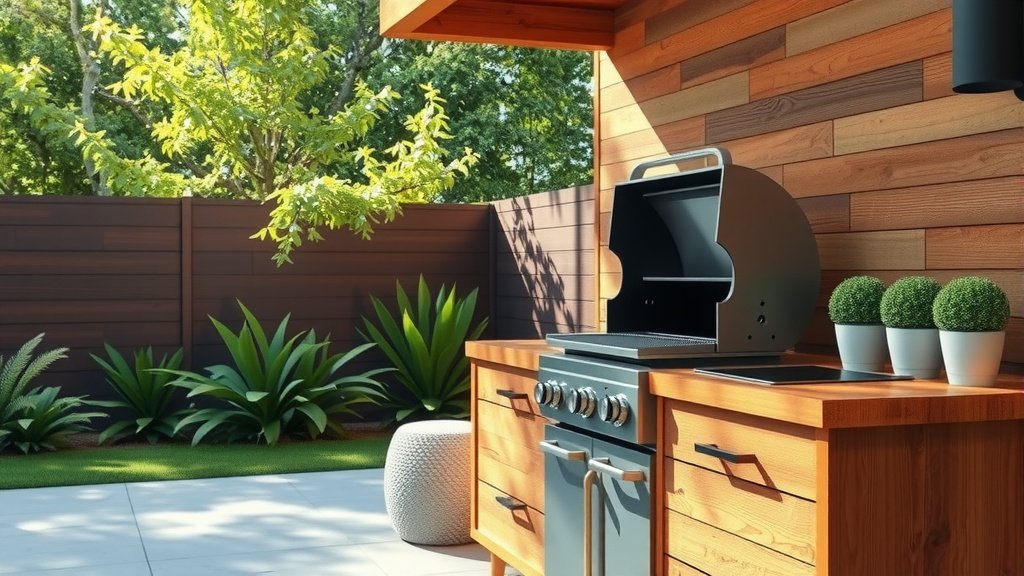
To build an outdoor grill station, you first need to plan your ideal layout, choose durable materials suitable for outdoor use, and select the right grill and appliances.
A successful outdoor grill station project involves careful design, proper foundation work, and adherence to local building codes for safety and longevity.
- Planning is key: Map out your space, budget, and desired features.
- Choose durable materials: Opt for weather-resistant countertops and sturdy bases.
- Consider utilities: Decide if you need water, gas, or electrical connections.
- Safety first: Always factor in proper ventilation and clearances from combustibles.
- Build in phases: Start with a solid foundation, then frame, and finish with appliances.
How To Build An Outdoor Grill Station?
Building an outdoor grill station transforms your backyard into a culinary hub, often increasing home enjoyment.
It involves thoughtful planning, material selection, and careful construction, creating a durable and functional cooking space.
Starting Your Outdoor Kitchen Dream
Before lifting a single tool, imagine your ideal outdoor cooking space. What would make grilling truly special for you?
This early visualization helps guide every decision, ensuring your station perfectly fits your needs.
Envisioning Your Space
Consider the best spot in your yard. Is it close to your indoor kitchen for easy transport of food?
Many homeowners also think about proximity to dining areas and guest interaction (HGTV).
Think about the sun’s path and prevailing winds. Do you want sun protection or to avoid smoke blowing into your seating area?
Setting a Realistic Budget
Knowing your budget early helps you make smart choices about materials and appliances. How much are you comfortable spending?
Remember, costs include not just materials but also potential labor, permits, and utility hookups.
We found that a detailed budget prevents surprises and keeps your project on track financially.
Essential Components for Your Station
What makes a grill station truly functional for you? Beyond the grill, several elements enhance usability.
Adding thoughtful features turns a simple grill area into an outdoor cooking oasis.
Choosing Your Grill Type
Will you use propane, natural gas, charcoal, or maybe a smoker? Each has its fans and benefits.
Many experts say built-in gas grills offer convenience, while charcoal provides that classic smoky flavor.
Your cooking style truly dictates the best choice for your outdoor setup.
Countertops and Storage
Plenty of counter space is a game-changer for food prep and serving. Where will you chop vegetables or plate your dishes?
Integrated storage cabinets keep your grilling tools, spices, and platters organized and handy.
Consider weather-sealed options to protect contents from the elements.
Adding a Sink or Fridge?
While not strictly necessary, an outdoor sink simplifies cleanup significantly. No more running inside for water!
An outdoor mini-fridge keeps drinks and marinating meats chilled, reducing trips indoors. It’s a real luxury for many.
Selecting the Right Materials
The materials you choose define your station’s look, durability, and how much maintenance it needs.
They must withstand outdoor conditions like sun, rain, and temperature shifts effectively.
Durable Base Construction
For the base of your station, options like stone veneer, stucco, or concrete board are popular choices.
These materials offer structural integrity and can be customized to match your home’s aesthetic.
Many experts say that choosing materials resistant to your local climate is vital for longevity (NIST).
Weather-Resistant Countertops
Your countertop will face direct exposure to heat, food spills, and weather. What material can handle it all?
Popular choices include granite, concrete, tile, and stainless steel, each with unique pros and cons.
| Material | Pros | Cons |
|---|---|---|
| Granite | Very durable, heat-resistant, beautiful. | Requires sealing, heavy, can be costly. |
| Concrete | Customizable, durable, modern look. | Can crack, needs sealing, porous. |
| Stainless Steel | Hygienic, heat-proof, easy to clean. | Shows scratches, can get hot in sun. |
The Construction Journey: Step-by-Step
Building your station happens in phases. Each step is important for a strong, lasting result.
Taking your time with each stage ensures everything comes together smoothly.
Laying a Solid Foundation
A level, sturdy foundation is paramount. This could be a concrete slab or reinforced pavers.
Research often highlights the importance of a level foundation to prevent structural issues (ASCE).
Without a proper foundation, your entire structure could become unstable over time.
Framing and Finishing Touches
Next, build the frame using weather-resistant materials like steel studs or pressure-treated wood.
This frame supports your grill, countertops, and any other built-in features you’ve planned.
Finally, apply your chosen facade and install countertops and appliances. This is where your vision comes to life!
Safety Considerations You Can’t Ignore
Grilling involves fire and fuel, so safety must be a top priority during design and use.
Following safety guidelines protects you, your family, and your home from potential hazards.
Always ensure proper clearances from combustible materials like walls, fences, and overhanging trees (NFPA).
We found that proper ventilation around any gas appliance prevents dangerous gas buildup (NFPA).
Maintaining Your Outdoor Hub
Your outdoor grill station is an investment, and regular care helps it stay beautiful and functional.
Simple cleaning and seasonal checks will extend its lifespan significantly.
Wipe down surfaces after each use, and cover the station when not in use to protect it from weather.
Check gas lines and electrical connections annually for wear and tear to ensure continued safety.
Here’s a quick checklist to help you get started on the right foot:
- Obtain necessary permits (if required by local code).
- Mark utility lines before any digging begins.
- Gather all tools and chosen materials beforehand.
- Ensure your chosen build site is perfectly level.
- Have a fire extinguisher nearby during construction and use.
Conclusion
Building an outdoor grill station is a rewarding project that elevates your backyard living experience.
By carefully planning, selecting durable materials, and prioritizing safety, you create a functional and beautiful space.
Enjoy countless memorable meals and gatherings in your custom-built outdoor culinary haven. Happy grilling!
What kind of foundation is best for an outdoor grill station?
A concrete slab is generally considered the best foundation due to its stability and durability. Alternatively, a well-prepared gravel base with pavers can also provide a solid, level surface for your grill station.
How much space do I need around a built-in grill for safety?
Always check your grill’s manufacturer guidelines, but generally, you need at least 18-24 inches of clearance from combustible materials on the sides and back. Adequate overhead clearance is also crucial if you have a roof or pergola.
Can I connect my outdoor grill station to my home’s natural gas line?
Yes, but this requires professional installation by a licensed plumber or gas technician. They will ensure the connection is safe, meets local codes, and uses the correct pressure regulator for your grill.
What are common mistakes to avoid when building an outdoor grill station?
Common pitfalls include neglecting local building codes, underestimating the budget, choosing non-weatherproof materials, and failing to plan for adequate storage and counter space. Poor ventilation for gas grills is also a serious safety error.
How long does it typically take to build an outdoor grill station?
The timeline varies greatly based on complexity, material choices, and whether you DIY or hire professionals. A basic station might take a few weekends, while a comprehensive outdoor kitchen could span several weeks to a few months.