
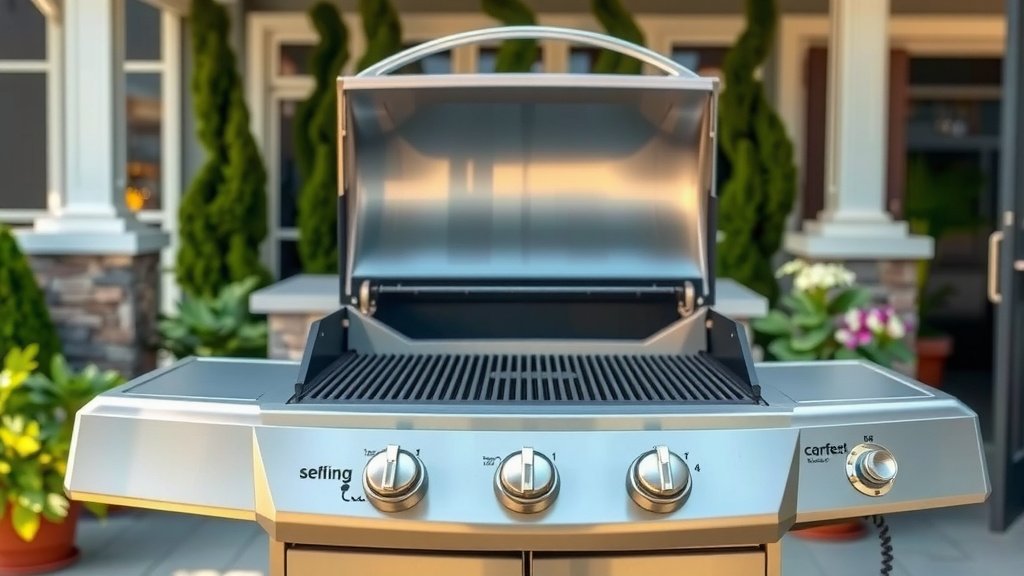
To break in a new gas grill, you should first clean the grates, then perform an initial burn-off at high heat for 15-20 minutes to eliminate manufacturing oils and residues.
After the burn-off, allow the grill to cool, then lightly oil the grates to start the seasoning process, ensuring a non-stick surface and better flavor for your first cook.
- Get your new gas grill ready for delicious meals by first performing a crucial high-heat burn-off.
- This important step helps eliminate any factory residues and protective coatings, making it safe for cooking.
- After the burn-off, you’ll want to season the cooking grates with a thin layer of cooking oil.
- This creates a non-stick surface and builds a foundation for amazing flavors to come.
- Always read your grill’s manual for specific instructions, but these general steps ensure a great start.
How To Break In A New Gas Grill?
Breaking in a new gas grill means preparing it for its first cooking adventure. You want to eliminate any manufacturing residues and begin seasoning the grates. This process is simple and ensures your food tastes great from day one.
Why is Breaking In Your Grill Important?
Think of it like preparing a new pan for cooking. You wouldn’t just use it straight from the box, would you? Breaking in your grill serves a couple of key purposes for safety and performance.
Burn Off Manufacturing Residues
New grills often come with protective oils, coatings, or dust from the manufacturing process. These are not meant for consumption. A proper burn-off helps to safely eliminate these substances before you introduce food (National Institutes of Health).
Seasoning Your Grill Grates
Seasoning helps to create a natural non-stick surface on your grill grates. It also protects the grates from rust and can even improve the flavor of your food over time. Many experts say this step is vital for longevity.
The Simple Steps to Breaking In Your New Gas Grill
Don’t be intimidated; breaking in your new grill is straightforward. Just follow these steps, and you will be grilling up a storm in no time. It’s a bit like giving your grill a warm welcome to the family.
Initial Inspection: Before You Light It Up
Before doing anything, take a moment to look over your new grill. Ensure all components are correctly assembled and that there are no loose parts. Check for any packing materials that might have been left inside.
Cleaning Time: A Quick Wipe Down
Using a damp cloth, gently wipe down the interior and exterior surfaces of your grill. This removes any dust or light grime from shipping and storage. We found that a simple wipe is all that’s usually needed.
First Fire-Up: The Burn-Off Process
Now, turn on all your gas grill burners to their highest setting. Close the lid and let the grill heat up for about 15 to 20 minutes. This high heat will incinerate any remaining residues. You might see some smoke; that’s normal.
Seasoning the Grates: Oil Application
After the burn-off, turn off the grill and let it cool completely. Once cool, apply a thin, even layer of high-smoke-point cooking oil, like grapeseed or vegetable oil, to the cooking grates. Use a paper towel or cloth for this. Too much oil can create a sticky mess later.
Cool Down: Patience is Key
Let the grill sit after oiling. You don’t need to re-fire it immediately. This allows the oil to properly adhere to the grates and cure. Many grill enthusiasts compare this to letting paint dry thoroughly.
How Long Should You Burn Off a New Grill?
For most new gas grills, a burn-off duration of 15 to 20 minutes at high heat is sufficient. This timeframe gives enough opportunity for manufacturing substances to vaporize. We found that consistency is more important than extending the time too much.
| Grill Type | Recommended Burn-Off Time | Heat Setting |
|---|---|---|
| Gas Grill (Standard) | 15-20 Minutes | High |
| Portable Gas Grill | 10-15 Minutes | High |
| Larger Gas Grill (Multiple Burners) | 20-25 Minutes | High |
What to Cook First After Breaking In?
Once your grill is broken in, what’s next? The first cook should be something simple and forgiving. This lets you get a feel for your new grill’s heat distribution. Many experts suggest starting with something familiar.
- Try simple chicken breasts.
- Burgers are always a great choice.
- Grill some basic vegetables.
- Hot dogs are quick and easy.
- Avoid complex recipes initially.
- Don’t overload the cooking surface.
Common Mistakes to Avoid When Breaking In Your Grill
It’s easy to get excited and rush the process, but avoiding these common pitfalls will save you headaches. Think of these as the “don’ts” of grill preparation.
Skipping the Burn-Off: Don’t Rush It
Skipping the burn-off can lead to off-flavors in your food and potential chemical exposure. It’s a small step that yields a big payoff in safety and taste. Take those 15 minutes; you won’t regret it.
Too Much Oil: Less is More
Applying too much oil to your grates can create a sticky, gummy residue when heated. A thin, almost invisible layer is all you need. We found that a light touch is always best for seasoning.
Ignoring the Manual: Your Grill’s Blueprint
While this guide provides general advice, your grill’s owner’s manual is the definitive source for specific instructions. Every grill can be slightly different. Many guidelines point to your manual as the best first step for any specific details.
Conclusion
Breaking in your new gas grill is a small investment of time that pays off in delicious, safe meals for years to come. By following these straightforward steps, from the initial burn-off to proper seasoning, you set the stage for an enjoyable grilling experience. So, fire it up, get those grates seasoned, and prepare for countless memorable cookouts. Your taste buds—and your grill—will thank you.
How often should I season my grill grates after the initial break-in?
You don’t need to do a full “break-in” again, but lightly re-oiling your grates after every few uses or a thorough cleaning is a good practice. This maintains the non-stick surface and prevents rust, much like caring for a cast-iron pan.
Can I use butter or olive oil to season my grill grates?
It’s best to avoid butter or olive oil for seasoning. Butter has a low smoke point and can burn, while extra virgin olive oil also has a lower smoke point and can leave a sticky residue. Stick to high-smoke-point oils like vegetable, canola, or grapeseed oil for optimal results.
What if my new grill smokes a lot during the burn-off?
A moderate amount of smoke during the initial burn-off is completely normal. This smoke comes from the factory oils and protective coatings burning away. If the smoke is excessive or persists for an unusually long time, consult your grill’s manual or contact the manufacturer.
Is it necessary to break in an electric grill or a charcoal grill?
The “break-in” process, particularly the burn-off for residues, is most critical for gas grills. Electric grills typically require a simple wipe-down and perhaps a short initial preheat. Charcoal grills primarily need to be assembled and inspected, with the “seasoning” aspect focusing more on consistent use and cleaning of the grates.
Can I cook food immediately after the burn-off without seasoning the grates?
While you can cook immediately after the initial high-heat burn-off, seasoning the grates beforehand is highly recommended. Skipping this step means your grates will be less non-stick, and your food might stick more, leading to a less enjoyable first grilling experience. Think of seasoning as adding a protective layer for better performance.
