To grill beef short ribs on a charcoal grill, aim for an internal temperature of 200-205°F (93-96°C) for tender, fall-off-the-bone results.
This typically takes around 2.5 to 3.5 hours over indirect medium heat, but always cook to temperature, not just time.
- Grill beef short ribs over indirect medium heat (275-325°F / 135-163°C).
- Target an internal temperature of 200-205°F (93-96°C) for ultimate tenderness.
- This cooking process usually takes 2.5 to 3.5 hours, depending on rib thickness and grill stability.
- Always use a reliable meat thermometer for accurate readings.
- Consider a brief sear or marinating beforehand to enhance flavor and potentially shorten overall cook time.
How Long To Grill Beef Short Ribs On Charcoal Grill?
You’re looking to cook some fantastic beef short ribs on your charcoal grill, right? The magic number for grilling beef short ribs to fall-off-the-bone perfection on a charcoal grill is typically 2.5 to 3.5 hours, reaching an internal temperature of 200-205°F.
Why Time Isn’t the Only Factor
While a time estimate is helpful, think of it more as a guide. Your ribs might finish faster or slower. The real secret lies in paying attention to the internal temperature and the texture.
Every charcoal grill is a little different, and so are your ribs. Factors like rib thickness, ambient temperature, and how consistently you maintain your grill’s heat play a big role.
Understanding Indirect Heat for Ribs
For beef short ribs, low and slow is the name of the game. This means cooking them over indirect heat. Direct heat will burn the outside before the inside even gets warm.
Indirect heat allows the collagen in the ribs to slowly break down. This process gives you that incredibly tender, juicy result you’re after (USDA guidelines often highlight this).
Preparing Your Charcoal Grill for Short Ribs
Getting your grill ready is half the battle. You want a stable cooking environment that won’t fluctuate wildly. This creates the best conditions for even cooking.
A well-prepared grill helps you manage the heat more easily. It makes the entire grilling experience much more enjoyable and successful for you.
Setting Up a Two-Zone Fire
For indirect grilling, you need a two-zone fire. Pile your charcoal on one side of the grill. Leave the other side empty; this is your cool zone for the ribs.
Place a drip pan filled with water or apple cider vinegar under the empty side. This adds moisture and helps regulate the grill’s temperature, creating a moist cooking environment.
Maintaining Grill Temperature
Aim for a grill temperature between 275-325°F (135-163°C) in the indirect zone. Use your grill’s vents to control oxygen flow to the coals, which controls the heat.
Research suggests that stable temperatures prevent drying out the meat (Cook’s Illustrated). Add a few unlit coals every hour or so to keep the heat steady.
Choosing the Right Beef Short Ribs
Not all short ribs are the same, and knowing the difference helps you pick wisely. The cut you choose can influence cooking time and your final delicious outcome.
Look for ribs with good marbling, which is the fat streaked through the meat. Marbling melts during cooking, adding flavor and keeping the ribs moist and supremely tender.
Plate vs. Flanken Style Ribs
Plate short ribs (English cut) are thick, meaty, and usually have a bone section. These are the ones typically cooked low and slow for a longer time.
Flanken-style ribs are cut thin across the bone. These are better for faster grilling or searing. We’re focusing on the meatier plate ribs today for that classic BBQ feel.
The Grilling Process: Step-by-Step
Once your grill is ready and your ribs are chosen, it’s time to get cooking. This process requires patience, but the rewards are absolutely worth it.
Remember, grilling is an art and a science. Following these steps helps you achieve that perfect balance of smoky flavor and unbelievable tenderness.
Seasoning and Initial Sear (Optional)
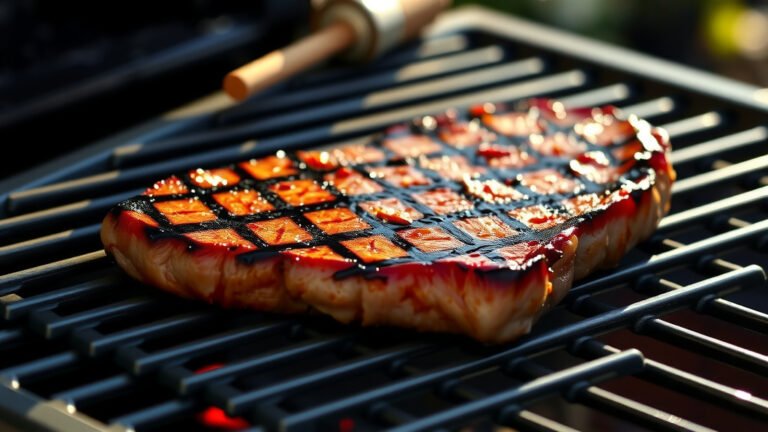
Pat your ribs dry and apply your favorite rub generously. Some grill masters like to sear the ribs directly over the coals for a few minutes per side first. This creates a beautiful crust.
If you sear, make it quick, just enough to brown the surface. Then, move them immediately to the indirect side to finish cooking. A good sear locks in some extra flavor.
Monitoring Internal Temperature
Place your ribs on the indirect side of the grill. Close the lid and let them cook. Check the internal temperature with a reliable meat thermometer after about 2 hours, then every 30-45 minutes.
Insert the thermometer into the thickest part of the meat, avoiding the bone. Many experts agree that temperature is your best indicator of doneness (Meathead Goldwyn, AmazingRibs.com).
| Internal Temperature | Doneness Description |
|---|---|
| 165°F (74°C) | Safe to eat, but collagen is still tough. |
| 180°F (82°C) | Collagen beginning to break down. |
| 190-195°F (88-91°C) | Very tender, but still has some chew. |
| 200-205°F (93-96°C) | Fall-off-the-bone tender. Ideal for short ribs. |
When Are Your Short Ribs Ready?
Doneness for short ribs isn’t just about a number; it’s also about feel. You’re looking for that sweet spot where they’re incredibly tender but not mushy. This takes a bit of practice and trust in your instincts.
Don’t be afraid to poke and prod a little. Your senses are powerful tools in the grilling process, guiding you to perfectly cooked ribs.
The Bend Test and Probe Test
Beyond temperature, try the “bend test.” Pick up a rib with tongs. If it bends easily and starts to crack, it’s probably ready. You want some resistance, but not stiffness.
The “probe test” is also useful. Insert your thermometer probe into the meat. It should slide in with very little resistance, like butter (many experienced pitmasters rely on this).
Wrapping Your Ribs: To Wrap or Not to Wrap?
Ah, the great debate among grillers! Wrapping ribs in foil or butcher paper partway through cooking can speed up the process and keep them moist. It’s often called the “Texas Crutch.”
Some prefer unwrapped ribs for a tougher bark. Here’s what wrapping can offer you:
- Faster cooking: Steams the ribs, speeding up collagen breakdown.
- Increased moisture: Traps juices, preventing drying out.
- Enhanced tenderness: Creates a more forgiving cooking environment.
- Softer bark: If you prefer a less crusty exterior.
If you choose to wrap, do it after about 1.5-2 hours, once a nice bark has formed. Wrap them tightly, then return to the indirect heat until they hit their target temperature.
Resting Your Ribs for Perfection
This step is non-negotiable for juicy ribs. Once your ribs reach the desired internal temperature, take them off the grill. Let them rest, still wrapped if you used foil, for at least 15-20 minutes.
Resting allows the muscle fibers to relax and reabsorb juices. If you cut into them immediately, those delicious juices would simply run out. Patience here makes all the difference for maximum juiciness.
Common Mistakes to Avoid
Grilling short ribs is a fun process, but a few pitfalls can trip you up. Knowing what to watch out for helps you avoid disappointment and ensures your efforts pay off.
Here’s a quick checklist to help you stay on track for grilling success:
- Don’t cook over direct heat for extended periods.
- Avoid constant lid lifting; it drops the grill temperature.
- Do not rely solely on time; always use a meat thermometer.
- Don’t skip the resting step after grilling.
- Be patient; short ribs appreciate a slow cook.
Conclusion
Grilling beef short ribs on a charcoal grill is a rewarding experience that yields incredibly flavorful and tender meat. Remember, the journey takes about 2.5 to 3.5 hours, aiming for an internal temperature of 200-205°F.
Focus on maintaining consistent indirect heat, using your thermometer, and giving those ribs a good rest. With a little practice, you’ll be turning out fall-off-the-bone short ribs that will impress everyone at your next cookout. Enjoy the process and the delicious results!
Frequently Asked Questions
Do I need to marinate beef short ribs before grilling?
While not strictly necessary for tenderness when cooking low and slow, marinating can add significant flavor to your beef short ribs. A good marinade can also tenderize the surface of the meat and help create a better bark. It’s a great option if you want to infuse extra flavor.
What kind of charcoal is best for grilling short ribs?
Lump charcoal is often preferred by enthusiasts because it’s natural, burns hotter, and leaves less ash. Briquettes are consistent in size and burn time, making them easier to manage for longer cooks. Either works well, but lump charcoal can impart a slightly more natural smoky flavor.
Can I add wood chunks for smoke flavor?
Absolutely! Adding a few chunks of hardwood like oak, hickory, or cherry to your hot coals will infuse your short ribs with wonderful smoky flavor. Place them directly on the lit coals at the start of your cook. Don’t use too much, as a little smoke goes a long way.
How do I prevent my short ribs from drying out on the grill?
To prevent dry ribs, focus on indirect heat and maintaining a consistent grill temperature. Using a water pan helps add moisture to the cooking environment. Additionally, consider wrapping your ribs in foil or butcher paper for the last half of the cook, which traps steam and juices.
What’s the best way to get a good crust (bark) on my grilled short ribs?
For a robust bark, avoid wrapping the ribs for at least the first 1.5 to 2 hours of cooking. Use a good, sugar-free rub, as sugar can burn. Ensure good airflow around the ribs during the initial cook. A quick sear over direct heat at the very beginning can also help establish a crust before moving them to indirect heat.