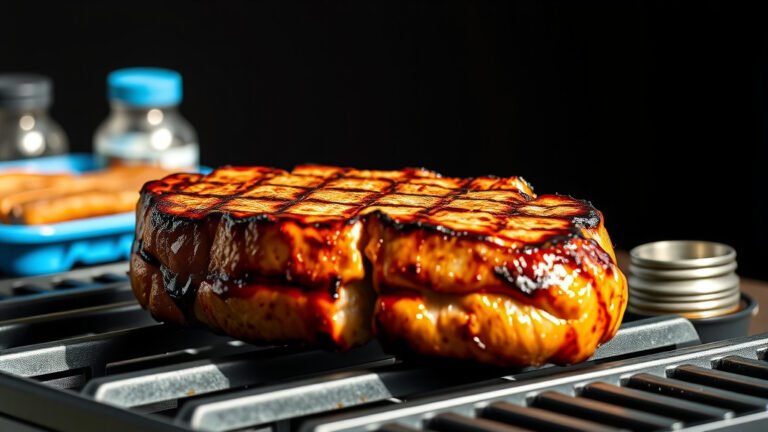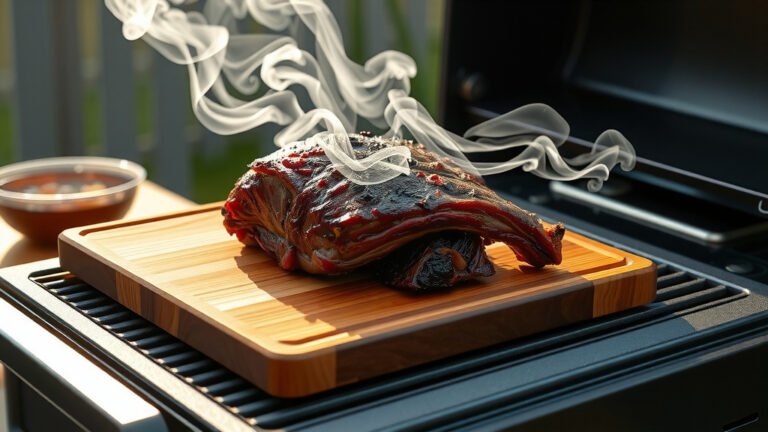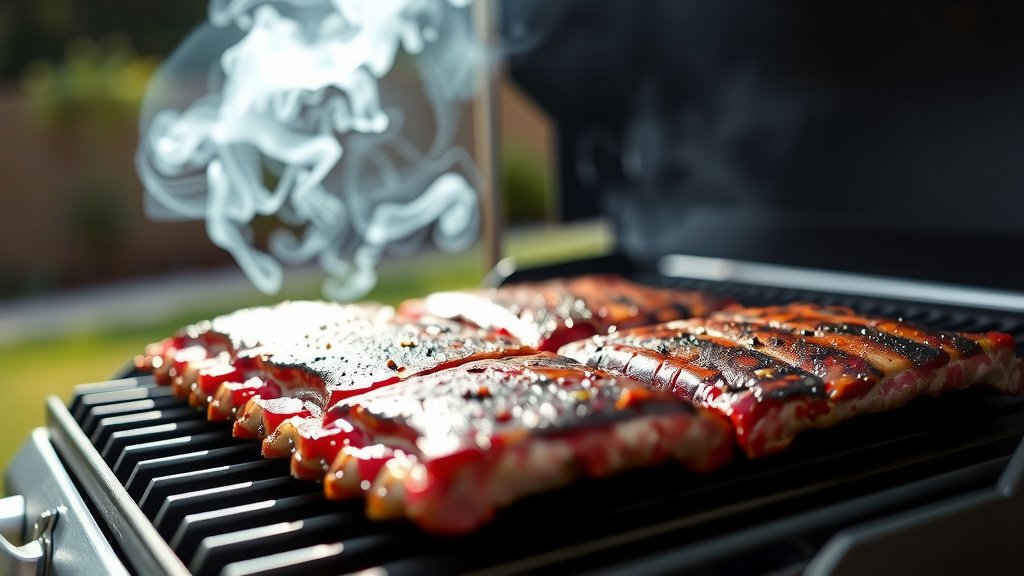
Grilling beef ribs on a gas grill typically takes between 2 to 3 hours for short ribs and up to 4 to 6 hours for larger plate ribs, aiming for an internal temperature of 203°F.
The cooking time depends on rib thickness, grill temperature (maintain 275-300°F indirectly), and your desired tenderness.
TL;DR: Quick Beef Rib Grilling Guide
- Grill Time: 2-3 hours for short ribs, 4-6 hours for plate ribs.
- Temperature: Keep your grill around 275-300°F for indirect heat.
- Internal Doneness: Look for 203°F for fall-off-the-bone tenderness.
- Prep Matters: Trim fat, apply rub, and let them sit before grilling.
- Rest is Best: Always let your ribs rest for 15-20 minutes after grilling.
How Long To Grill Beef Ribs On Gas Grill?
You can expect to grill beef ribs for 2 to 6 hours on a gas grill, depending on the cut and size.
Short ribs typically finish faster, while larger plate ribs require more time to become tender.
Understanding Your Beef Ribs
Before you even think about grill time, it helps to know your cut of beef ribs.
Are you working with meaty short ribs or the more substantial plate ribs? This choice truly impacts your cooking journey.
Short Ribs vs. Plate Ribs
Short ribs, often cut across the bone, are usually smaller and quicker to cook.
Plate ribs, also known as beef back ribs or dino ribs, are longer and often have more meat covering the bone, demanding a longer, more patient grill session.
Preparing for Grilling Success
Great ribs begin with great preparation. Don’t skip these steps; they truly make a big difference in flavor and texture.
It’s like getting ready for a marathon – proper training leads to a better finish!
Trimming and Seasoning Your Ribs
First, peel off the thin membrane from the bone side of the ribs. Many experts say this step helps keep your ribs tender and juicy.
Trim any excessive fat, but leave a thin layer for moisture and flavor during the long grill process.
The Magic of a Good Rub
Apply your favorite dry rub generously to all sides of the ribs. We found that allowing the rub to sit for at least 30 minutes, or even overnight, can deepen the flavors.
This “dry brining” process pulls moisture out then reabsorbs it, creating a more flavorful rib.
Setting Up Your Gas Grill for Ribs
Gas grills are fantastic for beef ribs because you can control the temperature so precisely.
The key here is creating different heat zones on your grill for optimal, slow cooking.
Two-Zone Grilling Setup
Set up your gas grill for indirect heat. This means turning on burners on one side and leaving others off, creating a cooler cooking zone.
Aim for a consistent grill temperature between 275°F and 300°F in the indirect area.
Maintaining Consistent Heat
Consistency is your best friend when grilling ribs. Use an accurate grill thermometer to monitor the ambient temperature.
Adjust your gas burners subtly to keep the heat steady, avoiding large fluctuations.
The Grilling Process: Step-by-Step
Now for the fun part! This is where your patience pays off, transforming tough ribs into tender, flavorful masterpieces.
Think of it like a low and slow dance, not a race.
Low and Slow: The Key Phase
Place your seasoned ribs bone-side down over the indirect heat zone. Close the lid and let the magic happen.
For short ribs, expect 2-3 hours; plate ribs might take 4-6 hours at 275-300°F (USDA).
Wrapping for Tenderness
Many grill masters suggest wrapping your ribs in foil or butcher paper once they’ve developed a nice bark, usually around 2-3 hours in.
This helps to tenderize them even further and prevents them from drying out during the later stages of cooking.
Monitoring Internal Temperature
Forget the clock alone; your meat thermometer is the true guide to perfection. It ensures your ribs are safe and deliciously tender.
Just like baking, guesswork can lead to less-than-ideal results.
Hitting That Sweet Spot
For truly fall-off-the-bone beef ribs, aim for an internal temperature around 203°F.
Probe the thickest part of the meat, avoiding the bone, to get an accurate reading (National Cattlemen’s Beef Association).
Tips for the Juiciest Ribs
Nobody wants dry ribs, right? A few simple tricks can help ensure your beef ribs stay incredibly moist and flavorful.
These small actions add up to a big difference in the final taste and texture.
Spritzing Your Ribs
Consider spritzing your ribs with apple cider vinegar, water, or beef broth every hour or so.
This adds moisture to the surface, promoting a better bark and keeping the meat from drying out.
Don’t Peek Too Often
Resist the urge to open the grill lid constantly. Every time you peek, you lose heat, extending your cooking time significantly.
Let the grill do its work; trust the process and your thermometer.
Your Beef Rib Grilling Checklist
To keep things straightforward, here’s a quick checklist to guide you through your beef rib grilling adventure.
- Trim membrane and excess fat from ribs.
- Apply generous dry rub.
- Set up gas grill for two-zone indirect heat.
- Maintain grill temp at 275-300°F.
- Place ribs over indirect heat, bone-side down.
- Monitor internal temp; wrap if desired.
- Cook until internal temp reaches 203°F.
- Rest ribs for 15-20 minutes before slicing.
Grill Time Reference Table
Here’s a quick guide to help you estimate grilling times for different beef rib cuts on your gas grill.
| Beef Rib Cut | Average Thickness | Estimated Grill Time (275-300°F) | Key Tenderness Indicator |
|---|---|---|---|
| Beef Short Ribs | 1-2 inches | 2-3 hours | Probe tender, 203°F internal |
| Beef Plate Ribs (Dino Ribs) | 2-3 inches | 4-6 hours | Probe tender, 203°F internal |
| Beef Back Ribs | 0.5-1 inch | 2.5-3.5 hours | Meat pulls back from bone, 203°F internal |
Conclusion
Grilling beef ribs on a gas grill is a rewarding experience that requires patience and attention to detail. By understanding your specific cut, setting up your grill for indirect, consistent heat, and monitoring internal temperatures, you’ll achieve fantastic results.
Remember, it’s a low and slow journey, not a sprint. With these tips, you’re all set to create delicious, tender beef ribs that will impress anyone at your next cookout.
Frequently Asked Questions About Grilling Beef Ribs
What is the ideal internal temperature for beef ribs?
The ideal internal temperature for beef ribs to achieve that incredibly tender, fall-off-the-bone texture is around 203°F. This temperature allows the connective tissues to break down properly, making the meat soft and succulent.
Should I wrap beef ribs when grilling on a gas grill?
Wrapping beef ribs in foil or butcher paper is a popular technique often called the “Texas Crutch.” It helps to tenderize the ribs faster and keeps them moist. You might choose to wrap them after the first 2-3 hours of grilling once a good bark has formed.
Can I grill beef ribs too quickly?
Yes, you absolutely can grill beef ribs too quickly. Grilling at too high a temperature or for too short a time will result in tough, chewy ribs. Beef ribs need that low and slow heat to render fat and break down connective tissues, leading to tenderness.
How do I prevent beef ribs from drying out on a gas grill?
To prevent beef ribs from drying out, maintain a consistent low temperature (275-300°F), consider spritzing them periodically with liquid like apple cider vinegar, and you can wrap them during the middle stages of grilling to retain moisture. Avoiding frequent lid opening also helps.
What kind of wood chips can I use for extra flavor on a gas grill?
For adding a smoky flavor to beef ribs on a gas grill, try using hickory, oak, or mesquite wood chips. Soak them first, then place them in a foil pouch or a smoker box directly over a lit burner for some extra delicious wood smoke.