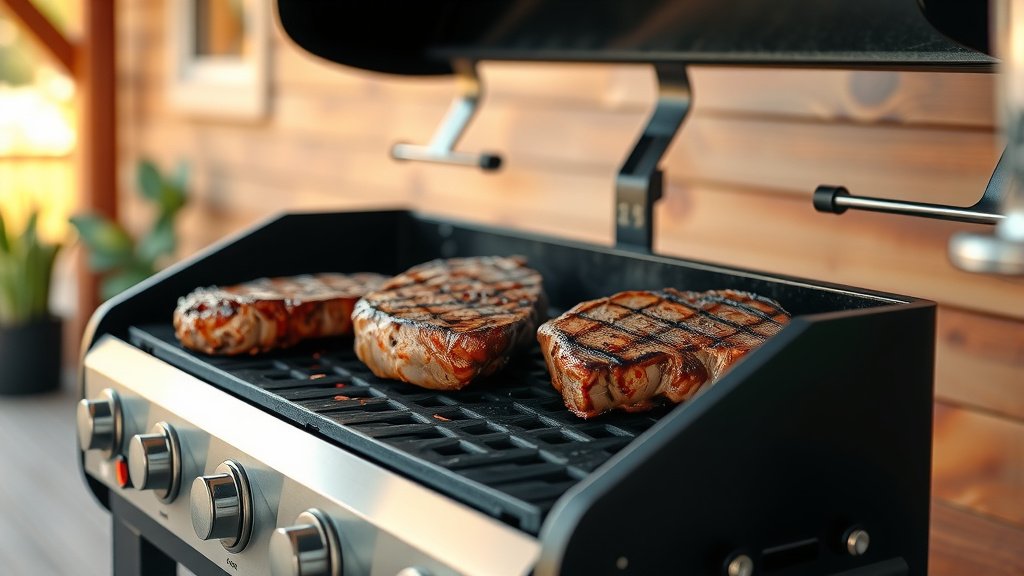
Cooking pork steaks on a pellet grill typically takes about 60-90 minutes at 275°F (135°C) for a 1-inch thick steak. Always aim for an internal temperature of 145°F (63°C) for perfect doneness.
To cook pork steaks on a pellet grill, monitor the internal temperature with a reliable thermometer, ensuring it reaches 145°F, then let them rest for juicier results.
Here’s a quick look at what you need to know for amazing pork steaks:
- Aim for an internal temperature of 145°F (63°C) for juicy, safe pork.
- Cook most 1-inch thick pork steaks at 275°F (135°C) for about 60-90 minutes.
- Always let your pork steaks rest for 5-10 minutes after cooking.
- Meat thickness, grill temperature, and even wind can affect cooking times.
- A good meat thermometer is your best friend for perfect results.
How Long To Cook Pork Steaks On Pellet Grill?
You’re looking to cook pork steaks on your pellet grill, and that’s a fantastic choice. The short answer is around 60-90 minutes for a 1-inch thick steak at 275°F (135°C). However, remember that the exact time can vary quite a bit.
This variability depends on a few things: the thickness of your pork steaks, the actual temperature inside your grill, and whether your steaks are bone-in or boneless. Your best guide will always be an instant-read meat thermometer, not just the clock.
Why Pellet Grills Excel with Pork Steaks
Pellet grills are like magic for pork steaks, offering consistent heat and wonderful smoky flavor. You get that low-and-slow cooking environment that makes pork incredibly tender and juicy.
The gentle, indirect heat helps prevent the meat from drying out. This means you can achieve that perfect, melt-in-your-mouth texture that often eludes other grilling methods. Plus, the specific wood pellets you choose add a delightful aroma.
Preparing Your Pork Steaks
Proper preparation is half the battle when aiming for delicious pork steaks. Don’t just throw them on the grill. A little effort beforehand pays off big time in flavor and tenderness.
Start with quality pork steaks, ideally cut to a consistent thickness. This helps them cook evenly. Uneven steaks can lead to some parts being overcooked and others undercooked.
To Brine or Not to Brine?
Many grilling enthusiasts consider brining a game-changer for pork. A simple brine can add moisture and flavor, making your steaks more forgiving if you accidentally overcook them a little.
Research shows that brining helps break down muscle fibers, leading to a more tender product. Even a quick 30-minute brine can make a noticeable difference in juiciness and flavor (food science experts).
Flavorful Seasoning Ideas
Once you decide on brining, it’s time for seasoning. A good rub creates a beautiful crust and a burst of flavor. Don’t be shy here; pork loves bold seasonings.
Consider a mix of salt, pepper, garlic powder, onion powder, paprika, and a touch of brown sugar. Pat your steaks dry before applying the rub. This helps the seasoning stick better and creates a crispier exterior.
Dialing In Your Pellet Grill
Setting up your pellet grill correctly is key to a smooth cook. Consistency is important, especially when you’re trying to hit a specific doneness.
Preheat your pellet grill to 275°F (135°C). Let it run for about 15-20 minutes after reaching temperature. This allows the grates to get hot and the internal temperature to stabilize. Using quality pellets also helps maintain consistent heat.
The Cooking Process: Time and Temperature
Now for the main event! Place your seasoned pork steaks directly on the grill grates. Give them some space; don’t overcrowd the grill.
Keep the lid closed as much as possible to maintain a steady temperature and allow the smoke to infuse the meat. Opening the lid too often lets heat escape, extending your cooking time.
| Pork Steak Thickness | Approx. Time at 275°F (135°C) | Target Internal Temp. |
|---|---|---|
| 3/4 inch | 50-75 minutes | 145°F (63°C) |
| 1 inch | 60-90 minutes | 145°F (63°C) |
| 1.5 inches | 90-120 minutes | 145°F (63°C) |
| 2 inches (bone-in) | 120-150 minutes | 145°F (63°C) |
Should You Sear Your Pork Steaks?
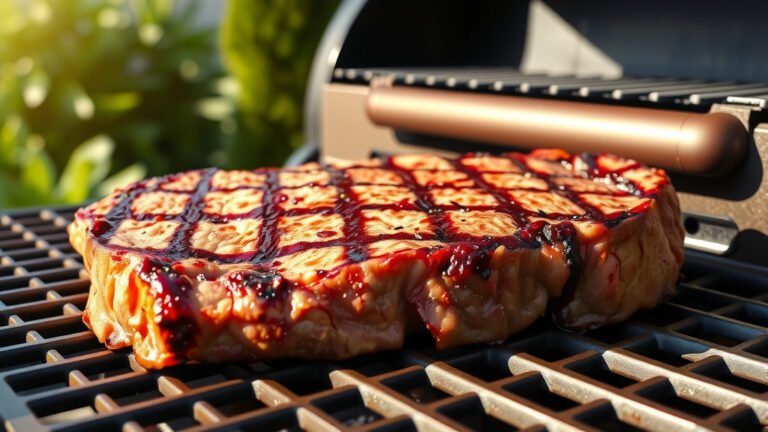
Some grill masters like to sear their pork steaks for a beautiful crust. You can achieve this with a pellet grill, but it usually involves a two-stage cooking method.
You can smoke the steaks at a lower temperature (like 225°F) first, then crank up the grill to high (400°F+) for a quick sear on each side. Or, reverse the order: sear first, then finish low and slow. It’s a matter of personal preference, but many prefer the initial low and slow for tenderness.
Achieving Perfect Doneness
The single most important tool for knowing when your pork steaks are done is an instant-read thermometer. It takes the guesswork out of grilling and ensures food safety.
Insert the thermometer into the thickest part of the steak, avoiding bones. The USDA recommends a minimum internal temperature of 145°F (63°C) for pork. At this temperature, the pork will be slightly pink in the center, which is perfectly safe and incredibly juicy.
Don’t Forget the Rest!
This step is often overlooked but is absolutely critical for juicy pork steaks. Once your steaks hit 145°F, remove them from the grill immediately.
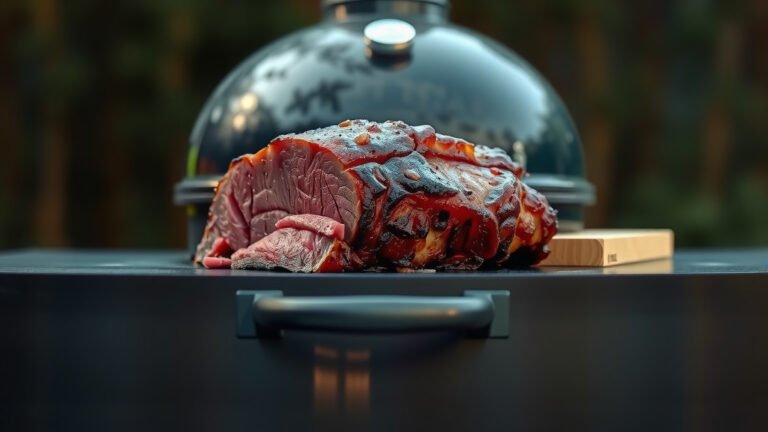
Place them on a cutting board and tent them loosely with foil for 5-10 minutes. This resting period allows the juices to redistribute throughout the meat, resulting in a more tender and moist steak. If you cut into it too soon, those delicious juices will just run out.
Troubleshooting Common Issues
Even seasoned grillers run into hiccups sometimes. What if your pork steaks are cooking too fast or too slow? Always check your grill’s actual temperature with an external thermometer.
Sometimes grill thermometers can be off. If cooking too fast, lower the set temperature slightly. If too slow, ensure your pellet hopper isn’t empty and the grill is maintaining its heat. Wind can also affect grill temperature, so keep that in mind on breezy days.
Pro Tips for Amazing Pork Steaks
Want to go from good to great? These simple tips can really elevate your pork steak game:
- Use a reliable leave-in thermometer: This lets you monitor temperature without opening the lid.
- Experiment with wood pellets: Hickory, apple, and cherry wood all pair wonderfully with pork.
- Flip your steaks once or twice: This can help ensure even cooking on both sides.
- Don’t overcrowd the grill: Airflow is important for consistent temperature and smoke flavor.
- Clean your grates beforehand: Prevents sticking and gives better sear marks.
- Consider a quick marinade: Beyond a brine, a marinade can add a different layer of flavor.
Conclusion
Cooking pork steaks on a pellet grill is a rewarding experience. You get incredible flavor and tenderness with relatively little fuss. Remember, the journey to perfectly cooked pork steaks hinges on understanding your grill, preparing your meat well, and most importantly, relying on that instant-read thermometer.
Aim for that 145°F internal temperature, give your steaks a proper rest, and you’ll be serving up succulent, smoky pork steaks that will impress everyone. So, fire up your pellet grill and enjoy the delicious results!
What kind of pork steaks are best for pellet grilling?
Blade-cut pork steaks, often labeled “pork shoulder steaks,” are excellent for pellet grilling due to their marbling. They become incredibly tender and flavorful with the low-and-slow cooking method.
Can I cook frozen pork steaks on a pellet grill?
While technically possible, it’s generally not recommended. For best results, safety, and even cooking, always thaw your pork steaks completely before grilling. Thawed steaks will cook more evenly and safely.
What are good wood pellet flavors for pork steaks?
Many grillers find that fruit woods like apple and cherry pair wonderfully with pork, imparting a slightly sweet and mild smoky flavor. Hickory also works well, offering a more robust smoky taste without being overpowering.
How do I prevent pork steaks from drying out on the pellet grill?
The best ways to prevent dry pork steaks are to avoid overcooking by using a thermometer to hit exactly 145°F, and by always resting them after cooking. Brining beforehand can also add insurance against dryness.
Is it safe if my pork steak is still a little pink in the middle?
Yes, as long as your pork steak has reached an internal temperature of 145°F (63°C), it is perfectly safe to eat, even if it has a slight pink hue in the center. This is the recommended doneness for optimal tenderness and juiciness by food safety experts (USDA).