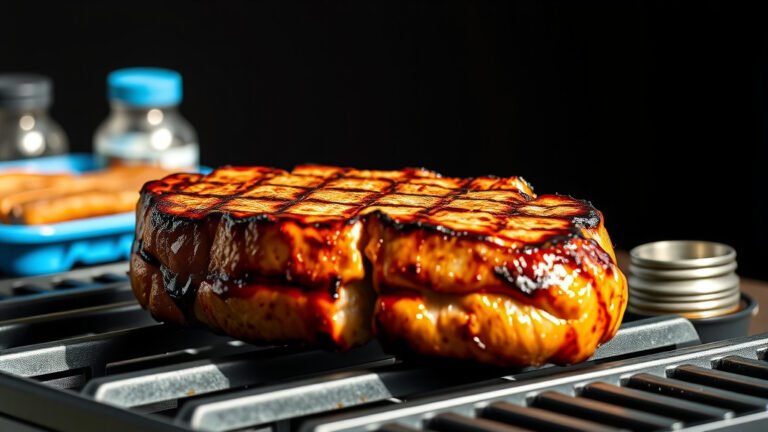
Cooking chuck roast on a pellet grill typically takes about 6-8 hours for a 3-4 pound roast, aiming for a fall-apart internal temperature of 200-205°F.
The total cooking time for chuck roast on a pellet grill depends on the roast’s size, grill temperature (often 225-275°F), and whether you’re wrapping it.
TL;DR: Here’s what you need to know about cooking chuck roast on your pellet grill:
- Expect 6-8 hours for a standard 3-4lb roast at 225-275°F.
- Always cook to an internal temperature of 200-205°F for ultimate tenderness.
- Use a meat thermometer – it’s your best friend for perfect results.
- Wrapping the roast can speed up cooking and keep it moist.
- Resting the meat after cooking is essential for juicy, flavorful outcomes.
How Long To Cook Chuck Roast On Pellet Grill?
For a typical 3-4 pound chuck roast, plan for roughly 6 to 8 hours on your pellet grill when maintaining a steady temperature between 225°F and 275°F.
Your goal is to reach an internal temperature of 200-205°F, which makes the connective tissues break down for incredibly tender results.
Why Cook Chuck Roast on a Pellet Grill?
Cooking chuck roast on a pellet grill brings a whole new level of flavor to this humble cut of meat. You get that amazing smoky depth that ovens just can’t match.
The consistent, indirect heat of a pellet grill makes it simple to achieve a juicy, tender roast. It’s truly a game-changer for rich, beefy dishes.
Preparing Your Chuck Roast for the Grill
Getting your chuck roast ready is a simple yet vital step. A little prep work makes a big difference in the final taste and texture.
Don’t skip this part; it sets the stage for a mouth-watering meal.
Choosing the Right Roast
Look for a chuck roast that’s about 2-4 inches thick and has some good marbling. Marbling is the white fat streaks throughout the meat, which melt during cooking.
These fat pockets mean more flavor and moisture. A well-marbled roast results in a far more tender and juicy product.
Seasoning for Success
Before grilling, pat your roast dry with paper towels. This helps your seasoning stick and promotes a better “bark” on the outside.
Apply a binder like mustard or olive oil, then generously coat with your favorite beef rub. Many experts say a simple salt, pepper, and garlic powder mix is all you need for amazing flavor (Meathead’s AmazingRibs.com).
Setting Up Your Pellet Grill
Your pellet grill is a fantastic tool for low and slow cooking. Setting it up correctly ensures consistent heat and optimal smoke.
It’s like a specialized oven, but with added smoky goodness.
Ideal Grill Temperature
We found that 225°F to 275°F is the sweet spot for chuck roast. Lower temperatures give you more smoke flavor.
Higher temperatures will cook faster but might reduce the smoke penetration. Many prefer 250°F for a good balance of speed and smoke.
Pellet Choices for Flavor
Different wood pellets add unique flavors. Oak, hickory, or mesquite are excellent choices for beef, giving a robust, smoky profile.
Cherry or apple pellets offer a milder, sweeter smoke that can also pair well. Experiment to find your favorite combination.
The Cooking Process: Step-by-Step
Once your grill is preheated and your roast is seasoned, it’s time for the magic to happen. Patience is your best ingredient here.
Let the grill do its work, and resist the urge to peek too often.
The Initial Smoke
Place your seasoned chuck roast directly on the grill grates. Let it smoke unwrapped for the first 3-4 hours.
This initial period is when the roast absorbs most of its smoky flavor and begins to form a flavorful bark.
To Wrap or Not To Wrap?
Around the 3-4 hour mark, your roast might hit the “stall.” This is when its internal temperature plateaus, usually around 150-160°F. Wrapping helps push past this.
You can use butcher paper for a breathable wrap or aluminum foil for a tighter seal that retains more moisture. Research often connects wrapping with speeding up the cooking process and maintaining moisture (AmazingRibs.com).
| Wrapping Method | Pros | Cons |
|---|---|---|
| Butcher Paper | Allows smoke to pass; maintains bark texture; good moisture retention. | Can be tricky to wrap tightly; might extend cooking slightly compared to foil. |
| Aluminum Foil | Speeds up cooking significantly; traps moisture very well; creates a softer bark. | Less smoke penetration after wrapping; can stew the bark if over-wrapped. |
Monitoring Temperature and Doneness
A good meat thermometer is your absolute best friend. Don’t rely on guesswork when it comes to meat.
Checking the internal temperature ensures your roast is cooked perfectly and safely (USDA).
Internal Temperature Is Key
For a fall-apart chuck roast, you’re aiming for an internal temperature between 200°F and 205°F. This is well past the food safety minimums.
This higher temperature allows the tough connective tissues to completely break down, giving you that wonderfully tender texture.
The Probe Test
Besides the temperature, perform a “probe test.” Your thermometer probe should slide into the meat with very little resistance, like it’s going into soft butter.
This is a true sign of tenderness, indicating that the collagen has melted away.
The Importance of Resting Your Chuck Roast
Once your chuck roast reaches the target temperature, remove it from the grill. Let it rest, wrapped loosely, for at least 30-60 minutes.
This resting period allows the juices to redistribute throughout the meat, making it incredibly moist and flavorful. Many culinary experts agree on this point.
Troubleshooting Common Issues
Even seasoned grill masters run into small issues sometimes. Here are some quick tips if your chuck roast isn’t cooperating.
Remember, cooking is a learning process, and every cook improves with practice.
What if My Roast Isn’t Tender?
If your chuck roast isn’t tender, it likely hasn’t reached the correct internal temperature for breakdown of connective tissue. Keep cooking it until it hits 200-205°F and passes the probe test.
Sometimes, a tough roast just needs more time at temperature, so don’t rush it.
Why Is It Taking So Long?
Several factors can slow things down. The “stall” is a common culprit, as is fluctuating grill temperature. An uncalibrated grill thermometer can also be misleading.
Make sure your grill’s temperature is steady and consider wrapping your roast if it’s stalled for a long time.
Estimated Cooking Times
These are general guidelines. Always cook to temperature, not just time.
Your grill, the specific roast, and even outdoor weather can influence total cooking duration.
| Chuck Roast Size | Grill Temp (225°F) | Grill Temp (250°F) | Grill Temp (275°F) |
|---|---|---|---|
| 2 lbs | 5-7 hours | 4-6 hours | 3-5 hours |
| 3 lbs | 6-8 hours | 5-7 hours | 4-6 hours |
| 4 lbs | 7-9 hours | 6-8 hours | 5-7 hours |
| 5 lbs | 8-10 hours | 7-9 hours | 6-8 hours |
A Quick Checklist for Perfect Chuck Roast
Keep these points handy for your next cook. They help ensure you don’t miss any steps.
Mastering these basics will bring you great success with your pellet grill.
- Choose a well-marbled chuck roast.
- Pat dry and season generously.
- Preheat grill to 225-275°F.
- Smoke unwrapped for 3-4 hours.
- Wrap roast to push through the stall.
- Cook to 200-205°F internal temperature.
- Rest for at least 30 minutes before serving.
Conclusion
Cooking a chuck roast on a pellet grill is a rewarding experience, yielding a flavorful and incredibly tender result that’s hard to beat. While the cooking time varies, focusing on an internal temperature of 200-205°F is your ticket to success.
With careful preparation, consistent grill temperatures, and the patience to let the smoke do its work, you’ll be enjoying a delicious, fall-apart chuck roast every time. Happy grilling!
How do I prevent my chuck roast from drying out on the pellet grill?
To prevent your chuck roast from drying out, consider wrapping it in butcher paper or aluminum foil after the first few hours of smoking, especially when it hits the “stall.” You can also place a water pan in your grill to add moisture to the cooking environment. Selecting a roast with good marbling helps too, as the fat keeps it moist.
Can I cook a chuck roast at a higher temperature to speed things up?
Yes, you can cook a chuck roast at a slightly higher temperature, like 275°F, to reduce the cooking time. However, going too high can result in a less tender roast, as the collagen needs time at temperature to break down. You might also get less smoke flavor at higher temperatures. Stick to the 225-275°F range for optimal results.
What kind of pellets are best for chuck roast?
For chuck roast, robust wood pellets like hickory, oak, or mesquite are often recommended as they pair wonderfully with beef. A blend of these with a fruitwood like cherry or apple can also add complexity. The best choice often comes down to your personal preference for smoke intensity.
Is it okay if my chuck roast takes longer than the estimated time?
Absolutely. Cooking times are estimates. Factors like the thickness of your specific roast, the consistency of your grill’s temperature, and even external weather conditions can all influence how long it takes. Always rely on an accurate meat thermometer to reach the target internal temperature (200-205°F) rather than strictly adhering to a timetable.
Can I make burnt ends from a chuck roast cooked on a pellet grill?
Yes, chuck roast is an excellent choice for making burnt ends on your pellet grill. Once your roast reaches tenderness, you can cut it into cubes, toss them with BBQ sauce, and return them to the grill for another hour or two. This second cook allows the sauce to caramelize and creates those irresistible crispy edges typical of burnt ends.