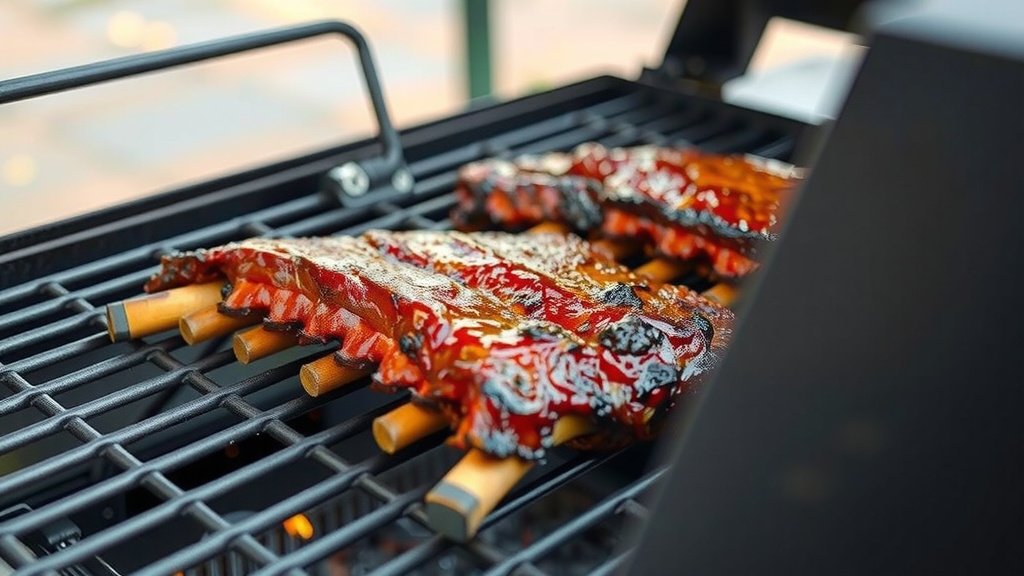
Cooking beef ribs on a charcoal grill generally takes 4 to 6 hours when maintaining a consistent grill temperature. Your goal is to achieve fall-off-the-bone tenderness, with an ideal internal temperature between 200-205°F.
The exact time to cook beef ribs on a charcoal grill will vary based on the rib cut, their size, and how well you manage your grill’s heat.
TL;DR for cooking beef ribs on a charcoal grill:
- Aim for a grill temperature of 250-275°F for consistent cooking.
- Total cooking time is typically 4-6 hours, depending on the rib cut.
- Always cook to an internal temperature of 200-205°F for ultimate tenderness.
- Use indirect heat setup on your charcoal grill to prevent burning.
- Don’t rush the process; low and slow is the secret to great ribs.
How Long To Cook Beef Ribs On Charcoal Grill?
Expect to cook beef ribs on a charcoal grill for 4-6 hours at a steady temperature between 250-275°F. Your goal is tenderness, not just a specific time, with a target internal temperature of 200-205°F.
The Art of Low and Slow
Grilling beef ribs on charcoal is not a race. It is a slow, patient process. Think of it like a marathon, not a sprint. This low and slow method breaks down tough connective tissues. This gives you that amazing, melt-in-your-mouth texture.
Many expert grillers say that good ribs come from patience. Rushing the cook time can make your ribs tough and dry. We have found that consistency is key for juicy results.
Factors Influencing Your Cook Time
Several things change how long your beef ribs will need on the grill. Understanding these helps you plan your day. You can then adjust your cooking strategy as needed.
Type of Beef Ribs
Are you cooking short ribs or beef plate ribs? These popular cuts cook differently. Beef plate ribs are larger and meatier. They generally need a longer cook time.
| Rib Type | Average Cook Time | Typical Weight (per rack) |
|---|---|---|
| Beef Short Ribs | 4-5 hours | 2-4 lbs |
| Beef Plate Ribs (Dino Ribs) | 5-6+ hours | 4-8 lbs |
Rib Thickness and Size
Thicker ribs will naturally take longer to cook through. Smaller, thinner ribs will reach temperature faster. Always consider the size of your specific ribs.
Grill Temperature Consistency
Keeping your charcoal grill at a steady 250-275°F is vital. Fluctuations will impact your cooking time. A consistent temperature ensures even cooking throughout the entire process.
Setting Up Your Charcoal Grill for Ribs
The right setup makes all the difference for amazing beef ribs. You want indirect heat. This protects the ribs from burning. Direct flames can char the outside quickly.
Two-Zone Fire Setup
This is your best friend for ribs. Pile your lit charcoal on one side of the grill. Leave the other side empty. Your ribs will cook over the empty side. This creates a gentle, indirect heat zone.
Use a drip pan under the ribs in the empty zone. It catches juices. It also helps keep your grill cleaner. This setup is common among barbecue enthusiasts.
Temperature Management
Control airflow with your grill vents. The bottom vent controls how much oxygen feeds the coals. The top vent controls how much heat and smoke leave. Adjust them to maintain a stable 250-275°F.
A good grill thermometer is a must. Don’t just rely on the one built into your grill lid. Many experts use a reliable probe thermometer. It gives you precise readings at grate level.
Preparing Your Beef Ribs
Prepping your ribs correctly sets you up for success. It is a simple process. These steps will help you get the best flavor and texture.
Removing the Membrane
Flip the ribs over. On the bone side, you will see a thin, tough membrane. Use a knife or spoon to lift a corner. Then, grab it with a paper towel and pull it off. This allows rubs to penetrate. It also makes for a better eating experience.
Applying Your Rub
A good dry rub adds a ton of flavor. Apply it generously to all sides of the ribs. Pat it down gently. You can do this an hour before grilling. Some pitmasters like to apply it overnight. This gives the flavors more time to meld.
The Cooking Process: Step-by-Step
Once your grill is ready, the real fun begins. Follow these steps for tender, delicious beef ribs.
- Place ribs bone-side down over the indirect heat zone.
- Close the lid, ensuring vents are set for target temperature.
- Monitor grill temperature closely, adjusting vents as needed.
- After 2-3 hours, check color. You want a deep mahogany bark.
- Consider spritzing with apple cider vinegar or water every hour to keep ribs moist.
The “Wrap” Stage (Optional, but Recommended)
Many grillers wrap their ribs in foil or butcher paper. This is usually done after 2-3 hours. The wrap helps to tenderize them further. It prevents the bark from getting too dark.
Wrap the ribs tightly with a splash of liquid, like beef broth or apple juice. Return them to the grill. They will stay wrapped for another 1.5-2 hours. This step helps them power through the “stall” period.
Unwrapping and Finishing
After the wrapped phase, unwrap the ribs. Place them back on the indirect heat. Cook for another 30-60 minutes. This allows the bark to firm up again. It also lets any sauce you add caramelize.
Checking for Doneness
Don’t just rely on time. Your ribs are done when they are fork-tender. This means a probe thermometer should slide in with little resistance. It should feel like pushing into warm butter.
The internal temperature should be 200-205°F (USDA). This range indicates collagen has broken down. That’s where you get that incredible tenderness. It’s a key indicator of perfectly cooked ribs.
The Crucial Resting Period
Once done, remove the ribs from the grill. Tent them loosely with foil. Let them rest for 20-30 minutes. This rest allows the juices to redistribute. It keeps the meat moist and flavorful. Skipping this step can lead to dry ribs.
Your Beef Ribs Checklist
Here’s a quick guide to make sure you’re on track for perfect beef ribs:
- Grill is set up for two-zone indirect heat.
- Charcoal grill temperature is stable at 250-275°F.
- Membrane removed from the back of the ribs.
- Ribs are seasoned generously with your favorite rub.
- Internal temperature is checked with a reliable thermometer.
- Ribs rest for 20-30 minutes after cooking.
Conclusion
Cooking beef ribs on a charcoal grill is a rewarding experience. It truly needs time, temperature control, and a bit of patience. Aim for a consistent 250-275°F grill temperature for 4-6 hours. Always rely on an internal temperature of 200-205°F for optimal tenderness. Remember, the journey to fall-off-the-bone ribs is a slow and delicious one. Enjoy the process, and you will be rewarded with incredible flavor and texture.
What kind of charcoal is best for beef ribs?
Lump charcoal is often preferred by grill masters for beef ribs. It burns hotter and cleaner. It also gives a better smoke flavor compared to briquettes. However, briquettes offer more consistent heat for longer periods, which is also great for ribs.
Can I speed up the cooking process for beef ribs?
While you might be tempted to increase the temperature to cook faster, it is generally not recommended for beef ribs. The “low and slow” method is crucial for breaking down tough connective tissues. Rushing it will result in tough, chewy ribs instead of tender ones. Patience pays off.
How do I add smoke flavor to my charcoal grilled ribs?
To add more smoke flavor, place wood chunks or chips directly onto your lit charcoal. Hardwoods like hickory, oak, or cherry are popular choices for beef. Soak wood chips for about 30 minutes before adding them, but chunks can go on dry.
My ribs look done but are still tough. What went wrong?
If your ribs are tough, it usually means they haven’t cooked long enough, especially at the correct internal temperature. The collagen needs time to break down fully into gelatin. Make sure you are cooking to an internal temperature of 200-205°F, not just relying on appearance or a specific time.
Should I use a binder before applying the rub to my beef ribs?
Many grillers use a binder like yellow mustard, hot sauce, or even a thin layer of olive oil before applying their rub. This helps the rub stick better to the meat. It also adds another layer of subtle flavor. It is an optional step, but one that can enhance the final product.