
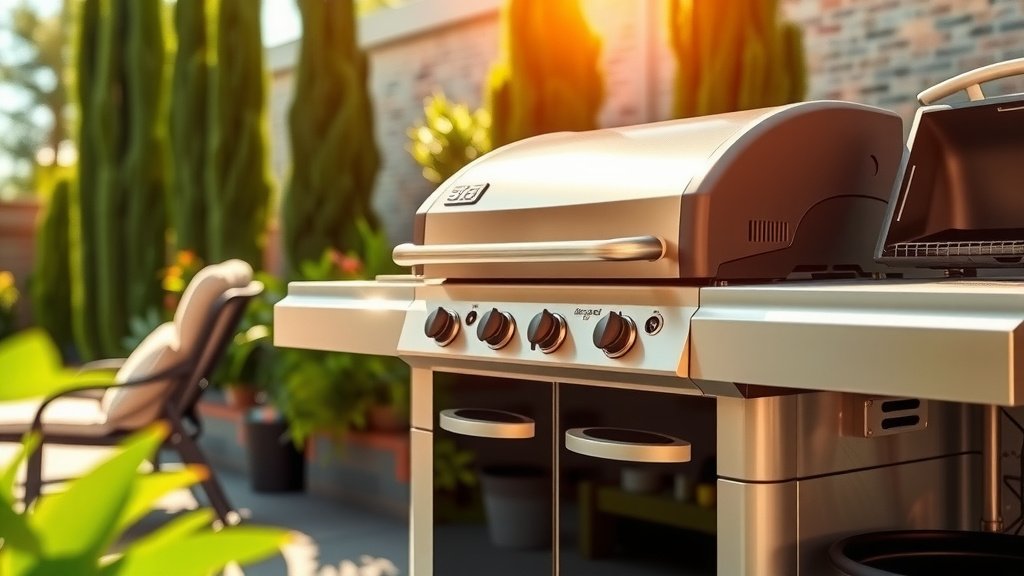
A gas grill can typically last anywhere from 5 to 15 years, depending heavily on its quality, how often you use it, and your dedication to maintenance.
With consistent care and proper storage, a well-built gas grill might even extend its functional life well beyond a decade, giving you many years of delicious meals.
Here’s a quick overview of what to expect:
- Most gas grills offer a lifespan of 5 to 15 years.
- High-quality materials often mean a longer-lasting grill.
- Regular cleaning and covering can significantly extend your grill’s life.
- Look for signs like uneven heating or rust to know when it’s time for a replacement.
- Investing in a good grill and taking care of it makes a big difference.
How Long Does A Gas Grill Last?
Most gas grills enjoy a lifespan of 5 to 15 years, but this can vary wildly based on how you treat it and its initial quality.
Think of your grill like a car; some models are built to go the distance, while others might need more attention sooner.
What Truly Affects Your Grill’s Lifespan?
Have you ever wondered why one neighbor’s grill lasts forever, while yours seems to give up after just a few seasons? There are a few key ingredients in this recipe.
Several factors play a significant role in determining how many years you’ll get from your trusted cooking companion.
The Quality of Materials Makes a Difference
This is perhaps the biggest factor. A grill built with high-grade stainless steel will naturally outlast one made from thinner, painted steel.
Many experts we found agree that thicker gauge metals resist rust and corrosion much better, especially in harsh weather conditions (Consumer Reports).
How Often Do You Fire It Up?
Are you a weekend grilling warrior or a daily dinner chef? How frequently you use your gas grill definitely impacts its wear and tear.
More use means parts like burners and igniters will need replacing sooner, just like tires on a car that gets driven daily.
Where Does Your Grill Live? Environment Matters
A grill living under a patio cover in a mild climate will generally last longer than one exposed to salt air on a coastal deck.
Moisture and extreme temperatures are the biggest enemies of metal components, speeding up rust and deterioration.
The Power of Proper Maintenance
This is where you truly take control of your grill’s destiny. A little effort goes a long way in adding years to its life.
Ignoring maintenance is like skipping oil changes for your car; trouble is bound to follow.
Regular Cleaning Habits Extend Life
Cleaning your grates, burner tubes, and heat tents after each use prevents grease buildup and blockages.
We found that routine cleaning prevents rust and ensures efficient, even heating, which is key for longevity.
Covering and Smart Storage
A good grill cover is like a shield against the elements. It protects against rain, snow, sun, and even pesky critters.
During off-seasons, consider storing your grill in a garage or shed. This extra protection during harsh months is a game-changer for durability.
Signs Your Gas Grill is Giving Up the Ghost
Your grill will send you signals when it’s nearing the end of its run. Paying attention to these clues helps you plan for a replacement.
Don’t wait until your barbecue fails mid-cookout. Here’s a quick checklist:
- Uneven heating across the cooking surface.
- Burners that won’t light consistently.
- Significant rust on the cooking grates or body.
- Holes or severe corrosion in the burner tubes.
- Gas leaks (smell of gas even when off, a serious safety concern).
- Weak flame or difficulty maintaining temperature.
When Should You Replace Your Grill?
Sometimes, repairs are simple and cost-effective. Other times, throwing good money after bad simply isn’t smart.
If you’re facing multiple issues or safety concerns, it’s often better to invest in a new, reliable gas grill.
Cost of Repair Versus Replacement
Before you toss your old grill, weigh the cost of new parts against the price of a brand-new unit. Burners, igniters, and grates are often replaceable.
We found that if the main body, lid, or firebox is rusted through, replacement parts can be expensive and sometimes not worth the investment.
Different Grill Types, Different Lifespans
Just like cars, not all grills are created equal. The initial investment often correlates with the expected lifespan.
Here’s a general idea of what to expect:
| Grill Type | Typical Price Range | Expected Lifespan |
|---|---|---|
| Budget Gas Grills | $150 – $350 | 3 – 5 years |
| Mid-Range Gas Grills | $400 – $800 | 5 – 10 years |
| Premium Gas Grills | $800 – $2000+ | 10 – 15+ years |
Extending Your Grill’s Life: Practical Tips
Want to squeeze every last bit of grilling goodness out of your investment? It’s easier than you think.
These simple actions can add years of happy grilling sessions.
- Clean regularly: Brush grates after each use, clean grease tray often.
- Cover it up: Always use a quality grill cover when not in use.
- Inspect parts: Check burners, igniters, and hoses for wear annually.
- Winterize wisely: Disconnect propane, clean thoroughly, and store in a sheltered spot.
- Replace worn parts: Don’t let a bad burner affect other components.
A Word About Brands and Warranties
Reputable brands often use better materials and offer stronger warranties, reflecting their confidence in their product’s durability.
When shopping, research brands known for their quality and check warranty coverage for key components like burners and fireboxes.
Conclusion
Your gas grill’s lifespan is largely in your hands. While initial quality sets a baseline, your commitment to maintenance and care truly dictates its longevity.
By choosing wisely and treating your grill well, you can enjoy many seasons of backyard barbecues and create countless delicious memories.
So, go forth, grill master, and make that gas grill last!
How do I know if my grill is still safe to use?
You can check for signs like visible gas leaks (a rotten egg smell), corroded gas lines, faulty igniters that cause excessive gas buildup, or a wobbly, unstable structure. If you notice any serious issues, it’s safer to discontinue use and have it inspected or replaced.
Can I replace individual parts to extend my grill’s life?
Absolutely! Many common components like grates, heat tents, igniters, and burner tubes are often replaceable. Replacing these worn parts can significantly extend your grill’s life, as long as the main structure (firebox, lid) remains in good condition.
Is it worth buying an expensive gas grill?
Many experts agree that higher-priced gas grills often feature superior construction, thicker materials, and better warranties. This usually translates to a longer lifespan, more even heating, and a better overall grilling experience, making the initial investment worthwhile for avid grillers.
How often should I clean my gas grill?
For best results and to prolong your grill’s life, brush your cooking grates after every use. A deeper clean of the heat tents, burner tubes, and grease tray should be done at least once a season, or more frequently if you grill often.
Does keeping my grill covered really make a difference?
Yes, covering your grill is one of the simplest yet most effective ways to protect it. A good quality cover shields it from rain, snow, UV rays, dust, and even pollen, all of which can accelerate rust and wear on your grill’s components.
