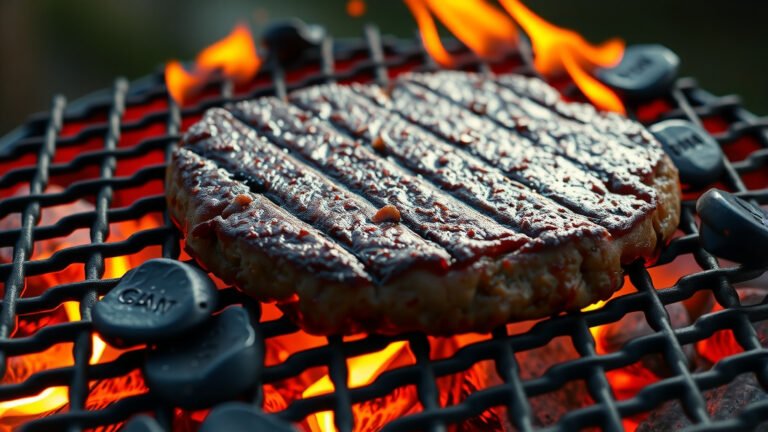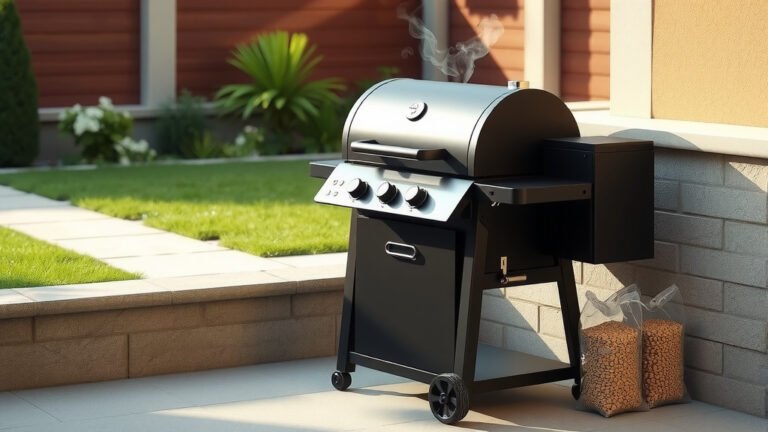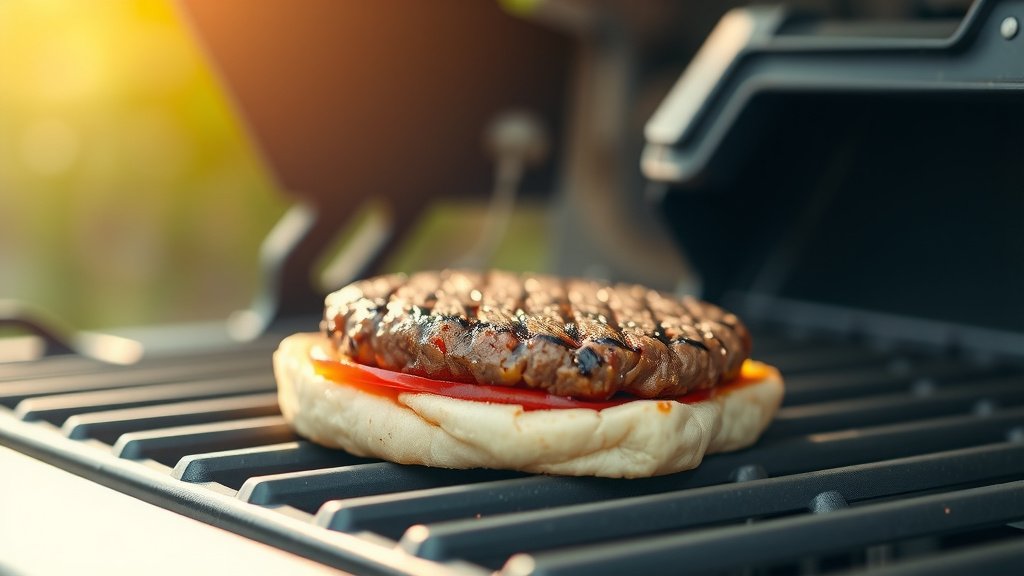
To grill hamburgers on a gas grill for medium-rare, aim for 2-3 minutes per side over medium-high heat.
For a well-done hamburger, you will grill for about 5-6 minutes per side, ensuring an internal temperature of 160°F (71°C).
- For medium-rare burgers, grill 2-3 minutes per side.
- For well-done burgers, grill 5-6 minutes per side, aiming for 160°F internal.
- Always use a meat thermometer to check doneness and safety.
- Preheat your gas grill to a medium-high heat, around 375-400°F.
- Thicker patties generally require longer grilling times than thinner ones.
How Long Do You Grill Hamburgers On A Gas Grill?
You typically grill hamburgers for 8-12 minutes total, flipping once, depending on your desired doneness and patty thickness.
Mastering Burger Doneness on Your Gas Grill
Grilling hamburgers on a gas grill offers fantastic control and consistent heat, making it a favorite for many. But how do you get that perfect burger, just the way you like it?
It’s about understanding a few simple factors, like your grill’s heat and the patty itself. Think of your gas grill as your culinary canvas for burger perfection.
Setting Up Your Gas Grill for Success
Before any patty hits the grates, setting up your grill correctly is a foundational step. This ensures an even cook and great flavor.
A well-prepared grill makes all the difference in achieving that ideal sear without burning.
Preheating to the Right Temperature
Always preheat your gas grill. We found that medium-high heat, between 375-400°F (190-205°C), works best for hamburgers.
This temperature gives you a nice sear on the outside while allowing the inside to cook through without drying out. Give it 10-15 minutes to reach temperature.
The Importance of Clean Grates
Have you ever had a burger stick to the grill? It’s frustrating! Clean grates prevent sticking and help create those beautiful grill marks.
After preheating, use a wire brush to scrape off any old food bits. Lightly oiling the grates with a paper towel dipped in high-smoke-point oil can also assist.
Understanding Patty Thickness
The size and thickness of your hamburger patty play a huge role in grilling time. A thin patty cooks much faster than a thick one.
Standard patties are usually around 1/2 to 3/4 inch thick. Thicker, gourmet-style burgers can be over an inch thick.
Grilling Times for Different Doneness Levels
The time you spend grilling is directly tied to how you like your burger cooked. From rare to well-done, each level has a recommended time and internal temperature.
Always keep a close eye on your burgers; times can vary slightly based on your grill and the meat.
| Doneness Level | Internal Temperature | Grilling Time (per side) |
|---|---|---|
| Medium-Rare | 130-135°F (54-57°C) | 2-3 minutes |
| Medium | 140-145°F (60-63°C) | 3-4 minutes |
| Medium-Well | 150-155°F (66-68°C) | 4-5 minutes |
| Well-Done | 160°F (71°C) | 5-6 minutes |
From Medium-Rare to Well-Done
What’s your perfect burger? Knowing the visual cues and internal temperatures can help you hit that mark every time. It’s a bit like baking, but with more sizzle!
These guidelines are for a standard 1/2 to 3/4 inch patty. Adjust times for thinner or thicker burgers.
Medium-Rare: Juicy and Pink
For a medium-rare burger, you’ll see a warm red center. It’s incredibly juicy and tender, a favorite for many burger enthusiasts.
Grill for those 2-3 minutes per side, then check with your thermometer.
Medium: Firm with a Hint of Pink
A medium burger offers a warm, pink center throughout. It’s cooked a bit more but still maintains its juiciness and flavor.
This doneness is a great middle ground, pleasing a wide range of palates. Aim for 3-4 minutes per side.
Well-Done: Fully Cooked for Safety
If you prefer no pink, a well-done burger is for you. It will be brown throughout and very firm.
This is the safest option for ground meat, according to USDA guidelines, reaching 160°F (71°C) internal temperature. It takes the longest to grill.
Your Best Tool: The Meat Thermometer
While visual cues are helpful, a meat thermometer is your absolute best friend for perfectly cooked, safe burgers. It takes out all the guesswork.
Don’t just guess; verify your burger’s doneness, especially when grilling for guests.
- Use a digital instant-read thermometer for quick, accurate readings.
- Make sure your thermometer is calibrated regularly for precision.
- Insert the thermometer into the side of the patty, reaching the center.
- Avoid touching the grill grates or any cheese when taking a reading.
- Check multiple patties if you are grilling a batch, as they can cook unevenly.
USDA Recommended Internal Temperatures
The U.S. Department of Agriculture (USDA) recommends cooking ground beef to a minimum internal temperature of 160°F (71°C) for food safety.
This temperature helps to destroy harmful bacteria. While you can cook to lower temperatures for personal preference, 160°F is the safest choice (USDA).
Top Tips for Perfect Gas Grilled Hamburgers
Beyond time and temperature, a few simple tips can truly elevate your gas-grilled burgers. These are the secrets many grill masters use.
Small actions often lead to big improvements in taste and texture.
- Create a thumbprint indent in the center of each patty. This stops them from puffing up like a ball.
- Oil your grill grates lightly before placing patties to prevent sticking.
- Don’t overcrowd your grill; leave space between burgers for even cooking.
- Flip only once for best results and to keep juices inside. Resist the urge to constantly poke!
- Let burgers rest briefly after grilling for 5 minutes. This allows the juices to redistribute.
Avoid Pressing Your Burgers
It’s tempting to press down on your burger patties with a spatula, isn’t it? It makes that satisfying sizzle sound.
However, many experts say this squeezes out all the delicious, natural juices, leading to a dry burger. Resist the urge!
Flipping at the Right Time
How do you know when to flip? Look for moisture pooling on top of the patty and a slight browning around the edges. This usually means a good crust has formed underneath.
Flipping too early means you lose that beautiful sear; flipping too late can lead to burning.
Adding Cheese Like a Pro
If you love a cheeseburger, timing the cheese is an art. Add your cheese slice during the last minute or two of grilling.
Close the grill lid for about 30-60 seconds to help it melt perfectly. A warm, gooey cheese layer is always a winner.
Common Burger Grilling Pitfalls to Avoid
Even seasoned grillers can make mistakes. Being aware of these common errors can save your next burger night.
A little awareness goes a long way in creating those truly delicious, memorable burgers.
Using too lean ground beef can result in dry burgers. A mix of 80/20 ground chuck is generally recommended for juiciness. Also, don’t overwork your ground meat when forming patties; this can make them tough.
Conclusion
Grilling hamburgers on a gas grill is a rewarding experience, giving you delicious results with a bit of practice. By understanding your grill’s temperature, patty thickness, and the magic of a meat thermometer, you’re well on your way to burger mastery.
Remember, it’s about control, consistency, and a little bit of care. So go ahead, fire up that grill and create some truly fantastic hamburgers!
How do I prevent my hamburgers from sticking to the gas grill?
To prevent sticking, ensure your grill grates are clean and preheated. Lightly oil the grates by wiping them with a paper towel dipped in a high-smoke-point oil like canola or vegetable oil before placing your patties.
Should I season my hamburgers before grilling?
Absolutely! Seasoning is key to flavor. Many experts agree that simple salt and black pepper are fantastic. You can also add garlic powder, onion powder, or your favorite burger seasoning blend just before grilling.
Can I grill frozen hamburger patties on a gas grill?
Yes, you can grill frozen hamburger patties, but they will take significantly longer to cook. Expect to add about 50% more grilling time, around 8-10 minutes per side. Always use a meat thermometer to ensure they reach a safe internal temperature of 160°F (71°C).
How do I know when to flip my hamburger on the grill?
Look for a good sear on the bottom, often indicated by the patty easily releasing from the grates. You’ll also notice moisture pooling on the top surface and the edges beginning to firm up and turn opaque. Only flip once per side for best results.
What kind of ground beef is best for grilling hamburgers?
Many grill masters recommend ground chuck with an 80/20 lean-to-fat ratio. The 20% fat content helps keep the burgers juicy and flavorful while grilling. Leaner meats can dry out quickly on a hot grill.