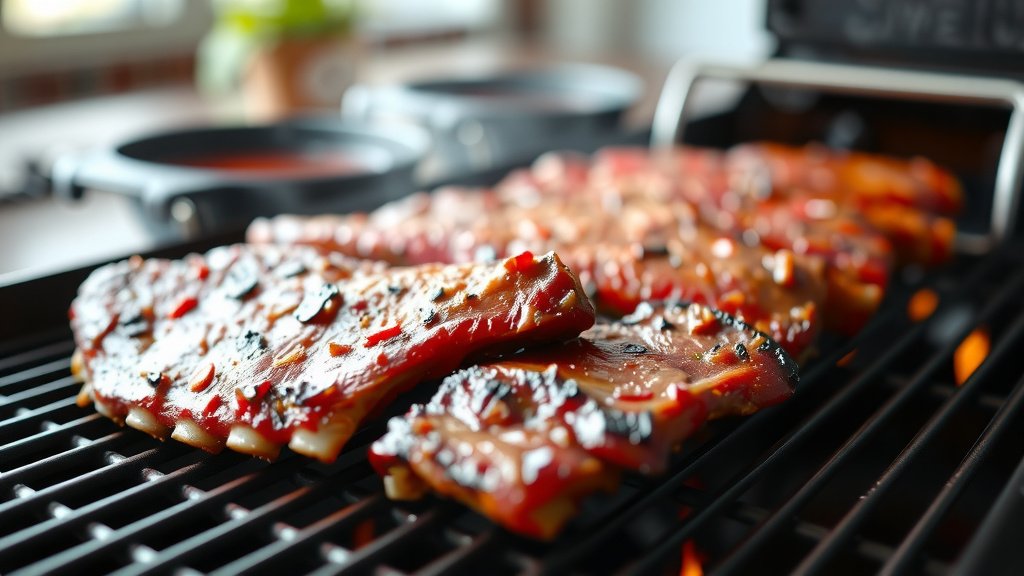
To make beef ribs on a charcoal grill, you need to manage a steady, lower temperature for several hours, often using an indirect heat setup with wood chunks for smoke. The key is low and slow cooking, allowing the tough connective tissues in the ribs to break down into tender, juicy meat.
Achieving perfectly tender beef ribs on your charcoal grill involves careful temperature control, proper seasoning, and patience, turning tough cuts into incredibly flavorful BBQ. You will master beef ribs on your charcoal grill with few steps.
- Get to know your beef ribs cut first.
- Prep your ribs with a flavorful rub and optional binder.
- Set up your charcoal grill for indirect heat, aiming for 250-275°F.
- Smoke the ribs for a few hours, then wrap them to tenderize.
- Finish by unwrapping and glazing for a mouth-watering bark.
How Do You Make Beef Ribs On Charcoal Grill?
Making beef ribs on a charcoal grill involves careful setup for indirect heat and maintaining a consistent low temperature. You will focus on smoking the ribs until they are tender and full of flavor. This journey takes time, but the reward is truly worth it.
Choosing Your Beef Ribs: A Quick Guide
There are a few types of beef ribs you might encounter. Each cooks a little differently, but all benefit from the low and slow charcoal method. You are looking for good marbling and plenty of meat on the bone.
Plate Ribs (Dino Ribs)
These are the giants of the beef rib world. Often called “Dino Ribs,” they come from the plate section of the cow. Many grill masters prefer these for their ample meat and rich flavor (Texas A&M AgriLife Extension).
Chuck Ribs
Chuck ribs are also meaty, cut from closer to the shoulder. They can be a bit shorter and sometimes have a different bone structure. You might find them labeled as “short ribs” in some stores.
Back Ribs
These are what is left after the ribeye roast is cut off. They have less meat on top of the bone but are still very flavorful. Think of them as the beef equivalent of baby back pork ribs.
Gathering Your Grill Essentials
Before you even touch the meat, check your grilling setup. Do you have everything you need for a successful long cook? Running out of fuel halfway is a common rookie mistake.
Charcoal and Wood Chunks
You will need a good amount of lump charcoal or briquettes for a long cook. Hardwood chunks, like oak or hickory, will give you that authentic smoky flavor. Many experts agree that oak pairs wonderfully with beef (Food Science Institute).
Meat Thermometer
A reliable probe thermometer is your best friend. It lets you monitor the meat’s internal temperature without lifting the lid too often. This keeps your grill heat stable.
Other Handy Tools
Think about a drip pan, a sturdy set of tongs, heavy-duty foil, and a good spray bottle. These items make the process much smoother. You will feel like a real pitmaster with the right tools.
Preparing Your Beef Ribs for the Grill
A little prep goes a long way to making your beef ribs shine. This is where you build the foundational flavors and ensure even cooking. Don’t rush this part; it’s an enjoyable step!
Trimming and Membrane Removal
First, trim any large, loose pieces of fat or silver skin. You want some fat for flavor, but not too much. Next, flip the ribs over and remove the thin membrane from the bone side. This helps your rub penetrate and makes the ribs more tender.
Applying Your Rub
A good beef rub usually has salt, pepper, garlic powder, and paprika. You can add a binder like mustard or hot sauce first, then apply the rub generously. Pat it down so it sticks well. Many people find a light coat of binder helps (BBQ Research Guild).
Setting Up Your Charcoal Grill for Success
This is arguably the most important step for making amazing beef ribs on charcoal. You are aiming for stable, indirect heat. Think of it like baking in an outdoor oven.
Two-Zone Fire Setup
Push your lit charcoal to one side of the grill. This creates a hot zone for starting and a cooler zone for cooking. Your ribs will sit over the empty, cooler side.
Temperature Control is Key
Aim for a grill temperature between 250-275°F (120-135°C). Use your grill’s vents to control airflow and thus, temperature. Opening vents increases air, making it hotter. Closing them restricts air, cooling it down. This takes some practice, doesn’t it?
The Smoking Process: Low and Slow
This is where the magic happens. Your beef ribs will slowly transform, absorbing smoky goodness and becoming incredibly tender. Patience, young grill master, patience!
First Phase: Unwrapped Smoking
Place your prepared ribs bone-side down over the indirect heat. Add a few wood chunks to the coals. Let them smoke for about 3-4 hours, or until they develop a rich, dark bark. You’re looking for that beautiful mahogany color.
Spritzing for Moisture
Some grillers like to spritz their ribs every hour or so with apple cider vinegar or water. This helps keep the surface moist and encourages smoke adhesion. We found that a simple water spritz works wonders.
The “Stall” and Wrapping Your Ribs
Around the 160°F (71°C) internal temperature mark, your ribs might hit “the stall.” This is when moisture evaporating from the surface cools the meat. Don’t worry, it’s normal!
Wrapping for Tenderness
Once the bark is set, wrap your ribs tightly in butcher paper or heavy-duty foil. This pushes them through the stall and tenderizes them further. You are essentially braising them in their own juices.
Continue Cooking While Wrapped
Return the wrapped ribs to the indirect heat. Cook them until they reach an internal temperature of about 200-205°F (93-96°C). This can take another 2-3 hours. You are looking for a probe to slide in with very little resistance.
Finishing Strong: The Glaze and Rest
You are almost there! The final steps are all about enhancing flavor and achieving the perfect texture. You’ve worked hard, so make these last moments count.
Unwrap and Glaze (Optional)
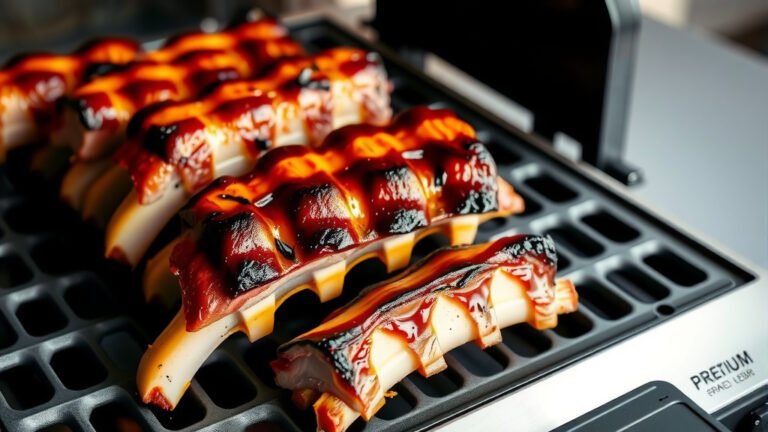
If you like a saucy rib, unwrap them and brush with your favorite BBQ sauce. Let them cook for another 15-30 minutes, unwrapped, to allow the sauce to set. This also firms up the bark a bit. Many experts say a good glaze can add a sweet and savory punch.
The Crucial Rest Period
Remove the ribs from the grill and let them rest, loosely tented with foil, for at least 30 minutes. This allows the juices to redistribute, making for a much juicier rib. Skipping this step is like running a marathon and not celebrating at the finish line!
Charcoal Grill Ribs Checklist
Here’s a quick reminder of the key steps for your next charcoal rib adventure:
- Choose the right beef ribs (Plate ribs are a fantastic option).
- Trim excess fat and remove the membrane.
- Apply your favorite dry rub generously.
- Set up your charcoal grill for indirect heat (250-275°F).
- Smoke ribs until a good bark forms (3-4 hours).
- Wrap ribs in foil or butcher paper.
- Continue cooking until very tender (200-205°F).
- Rest ribs before slicing and serving.
Troubleshooting Common Rib Problems
Grilling is an art, not a science, and sometimes things don’t go perfectly. We’ve all been there! Don’t fret if your first batch isn’t perfection.
Ribs are Dry
This often happens from cooking too hot or not wrapping. Try lowering your grill temperature. Also, spritzing can add moisture.
Ribs are Tough
Tough ribs usually mean they didn’t cook long enough. They need to reach that 200-205°F sweet spot. You might also need to check your initial trimming.
Lack of Smoke Flavor
Ensure your wood chunks are smoldering, not burning quickly. Too much airflow can burn wood too fast. We found that using dry wood chunks works best.
Grill Setup Temperature Guide
Managing grill temperature with charcoal takes practice. Here’s a basic guide:
| Temperature Goal | Charcoal Placement | Vent Opening (Approx.) | Notes |
|---|---|---|---|
| 225-250°F (Low Smoke) | Half the grill | Bottom: 1/4 open, Top: 1/4 open | Great for long, slow cooks. Add few coals every 1-2 hours. |
| 250-275°F (Ideal Ribs) | Half to two-thirds | Bottom: 1/2 open, Top: 1/2 open | Our target range for beef ribs. Adjust as needed. |
| 300-325°F (Faster Cook) | Two-thirds to full | Bottom: 3/4 open, Top: 3/4 open | Can work, but ribs might be less tender. Not recommended for beef ribs. |
Remember, every grill is different. You will learn its quirks over time. Many seasoned grillers say listening to your grill is important.
Conclusion
Making beef ribs on a charcoal grill is a truly rewarding experience, transforming a simple cut of meat into a delicious meal. It’s about more than just cooking; it’s about understanding your grill, managing heat, and having patience. With these steps, you are well-equipped to create tender, smoky beef ribs that will impress anyone. So, fire up your grill and enjoy the journey!
What kind of beef ribs are best for smoking?
For smoking, many enthusiasts prefer beef plate ribs, often called “Dino Ribs,” because they have a generous amount of meat on the bone. Chuck ribs are another great choice due to their rich marbling and flavor.
How do I keep my charcoal grill at a consistent low temperature?
You keep a consistent low temperature by using a two-zone fire setup, pushing coals to one side for indirect heat. Control the temperature primarily with your grill’s bottom and top vents, adjusting them to regulate airflow to the coals.
Should I wrap my beef ribs while grilling them?
Yes, wrapping beef ribs is a common and recommended practice. It helps the ribs power through the “stall” phase and tenderizes them further by steaming them in their own juices. Butcher paper or heavy-duty foil both work well.
How long does it typically take to cook beef ribs on a charcoal grill?
Cooking beef ribs on a charcoal grill typically takes about 6-8 hours at 250-275°F (120-135°C). The exact time varies based on the rib cut, grill stability, and desired tenderness. Always cook to temperature, not just time.
What internal temperature indicates beef ribs are done?
Beef ribs are done when they reach an internal temperature of about 200-205°F (93-96°C) and a probe slides into the meat with minimal resistance. This indicates the connective tissues have broken down, making them tender and juicy.