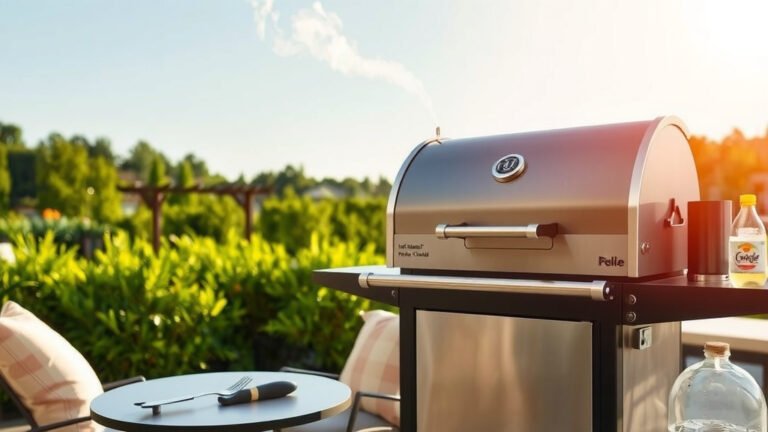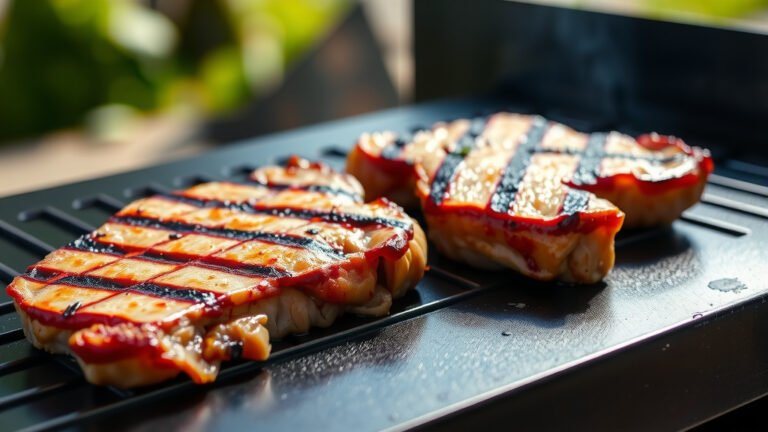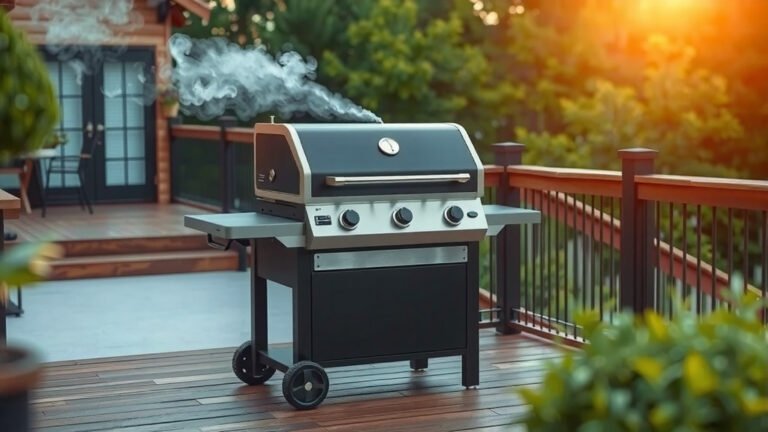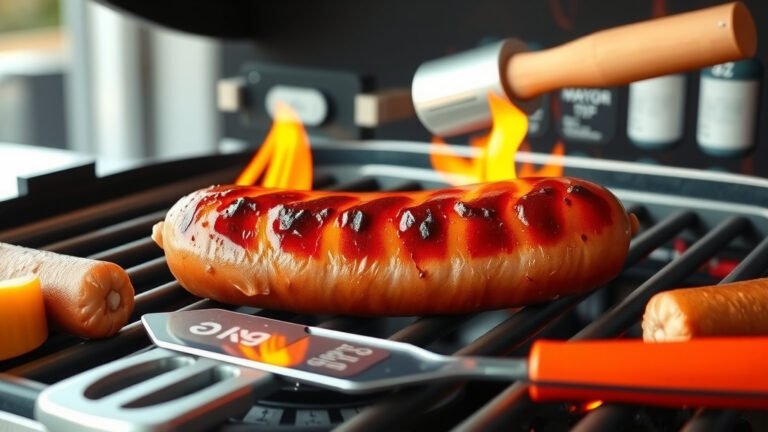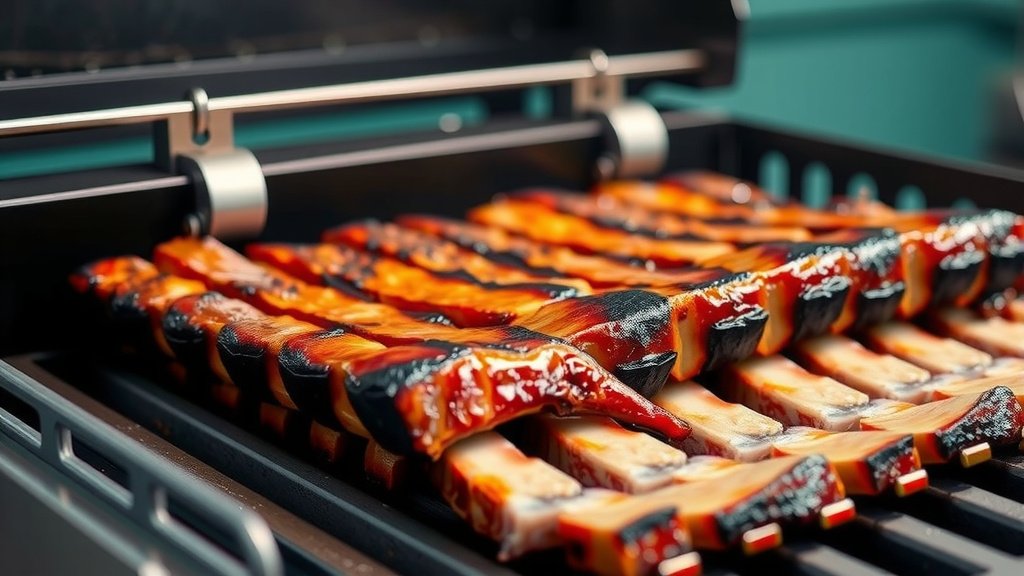
To grill ribs on a gas grill, you will primarily use an indirect heat method, aiming for a low and slow cook at temperatures between 225-275°F (107-135°C).
This approach helps achieve tender, fall-off-the-bone ribs, preventing them from burning while allowing flavors to develop over several hours.
-
Prepare your ribs properly: Remove the membrane and apply your favorite rub generously.
-
Set up your gas grill for indirect heat: Only light burners on one side, keeping ribs away from direct flame.
-
Maintain a consistent low temperature: Aim for 225-275°F for several hours of cooking.
-
Consider the “3-2-1” method: This popular technique helps achieve ultimate tenderness.
-
Finish with sauce and rest: A final glaze and proper resting period make all the difference.
How Do You Grill Ribs On A Gas Grill?
You grill ribs on a gas grill by cooking them low and slow over indirect heat, allowing them to become incredibly tender without drying out or charring. It is a fantastic way to get that smoky flavor without a traditional smoker.
Choosing Your Ribs: What Works Best?
Before you even fire up the grill, selecting the right ribs sets the stage for success. You’ll find different types, but for grilling, baby back ribs or St. Louis style spare ribs are often top picks. Baby backs are leaner and cook faster, while St. Louis style ribs are meatier and richer.
Baby Back vs. Spare Ribs
Baby back ribs come from closer to the loin and are curved. Spare ribs, from the belly, are flatter and have more meat between the bones. We found that both types cook beautifully on a gas grill when you use the right technique. Your personal preference for meatiness usually guides this choice.
Prepping Your Ribs for Perfection
Proper preparation is a big part of getting great ribs. It’s not just about seasoning; a few key steps will ensure your ribs turn out tender and flavorful. Don’t skip these; they really make a difference.
The Crucial Membrane Removal
You absolutely must remove the silverskin membrane from the back of the ribs. This thin, tough layer becomes leathery when cooked and prevents your rub from penetrating. We found that a butter knife and a paper towel make this job much easier. Just lift an edge and pull!
Applying Your Favorite Rub
Once the membrane is gone, it’s time for your rub. Be generous! Cover the ribs completely on all sides. You can make your own rub or use a store-bought blend. Many experts say to apply the rub at least an hour before cooking, or even overnight, allowing flavors to meld deeply (USDA).
Setting Up Your Gas Grill for Indirect Heat
This is where the magic happens for gas grilling ribs. You need to create zones: a hot zone for initial searing (optional) and a cool zone for the long, slow cook. This indirect setup mimics a smoker’s environment on your gas grill.
Creating Hot and Cool Zones
For a two-burner grill, light one burner to medium-low and leave the other off. On a three or more burner grill, light the outer burners to medium-low and leave the middle burner off. You’ll place the ribs over the unlit burner. We found that this method keeps the heat even and prevents burning.
Maintaining the Right Temperature
Your target temperature is vital: 225-275°F (107-135°C). Use your grill’s thermometer, but an external digital thermometer is more accurate. Adjust the lit burners to maintain this consistent temperature. It might take a little fiddling, but patience pays off here.
The 3-2-1 Method: A Path to Rib Nirvana
The “3-2-1” method is a popular technique for spare ribs, yielding incredibly tender results. For baby back ribs, you might adapt it slightly to a “2-2-1” or “2-1-1” method, as they cook faster. It breaks down the cooking into three distinct phases.
Phase 1: The Smoke and Flavor Build-Up (3 Hours)
Place your seasoned ribs, bone-side down, over the indirect heat zone. Close the lid and let them cook for about three hours (for spare ribs). You can add wood chips in a foil pouch over a lit burner for a smoky flavor. Keep that lid closed to hold in the heat and smoke.
Phase 2: The Wrap and Tenderize (2 Hours)
After three hours, wrap the ribs tightly in foil with a splash of apple juice, beer, or cider. This braising step makes the ribs incredibly tender. Put them back on the indirect heat for another two hours. This is where they really soften up beautifully.
Phase 3: The Glaze and Finish (1 Hour)
Unwrap the ribs and return them to the grill over indirect heat. Now is the time to apply your favorite BBQ sauce. Brush it on generously and let them cook for the final hour, or until the sauce caramelizes nicely. Be careful not to burn the sauce. This final step builds crust and flavor.
Alternative: Simple Low and Slow Method
If the 3-2-1 method feels like too many steps, you can simply cook ribs low and slow from start to finish. This involves keeping them on indirect heat the entire time, saucing them towards the end. We found that this method works well if you prefer a chewier, less “fall-off-the-bone” texture.
- Ensure your grill is preheated to 225-275°F.
- Place ribs over the unlit section of your grill.
- Close the lid and cook for 4-6 hours, depending on rib type.
- Spritz with apple cider vinegar every hour to keep moist.
- Add sauce in the last 30-60 minutes, letting it set.
Checking for Doneness: Are They Ready?
How do you know when your ribs are perfectly cooked? You’re looking for tenderness, but not so much that they fall apart when you pick them up. Many experts suggest the “bend test”: pick up the slab with tongs in the middle. If it bends significantly and cracks, it’s probably ready.
The meat should have pulled back from the ends of the bones by about a quarter to half an inch. You can also use an instant-read thermometer; the internal temperature should be around 195-203°F (90-95°C) for maximum tenderness (Cook’s Illustrated).
The All-Important Rest Period
Once your ribs are done, don’t cut into them right away! Just like a steak, ribs need to rest. Tent them loosely with foil and let them sit for 10-15 minutes. This allows the juices to redistribute, ensuring every bite is moist and full of flavor. Patience for this short period truly enhances the final taste.
Troubleshooting Common Rib Grilling Issues
Sometimes, things don’t go exactly to plan. Here’s a quick guide to common problems you might face when grilling ribs on a gas grill and how you can fix them.
| Problem | Possible Cause | Solution |
|---|---|---|
| Ribs are tough | Cooked too fast or not long enough. | Lower temperature, cook longer using indirect heat. |
| Ribs are dry | Lack of moisture, too high heat. | Spritz regularly with liquid (apple juice/cider vinegar), wrap in foil during mid-cook. |
| Burnt sauce | Applied too early, too high heat. | Apply sauce only in the last 30-60 minutes of cooking. |
| No smoky flavor | Didn’t use wood chips. | Add wood chips in a foil packet directly over a lit burner. |
| Ribs fall apart | Overcooked, especially in the foil stage. | Reduce time in foil for the next batch, or cook without wrapping. |
Essential Rib Grilling Checklist
To make sure you have everything you need for a successful rib-grilling session, here’s a quick checklist to review before you start. Having these items ready will make the process much smoother.
- Ribs (baby back or spare)
- Your favorite dry rub
- BBQ sauce
- Aluminum foil
- Apple juice or cider vinegar (for spritzing/wrapping)
- Wood chips (optional, for smoke flavor)
- Digital meat thermometer
- Tongs and grilling gloves
Conclusion
Grilling ribs on a gas grill is not just possible; it’s a fantastic way to enjoy delicious, tender ribs right in your backyard. By focusing on indirect heat, maintaining a consistent low temperature, and perhaps embracing the 3-2-1 method, you can achieve results that rival any smoker. Remember to prepare your ribs well, be patient with the cooking time, and always let them rest. You’ll soon be impressing everyone with your perfectly grilled ribs!
How long does it take to grill ribs on a gas grill?
The cooking time for ribs on a gas grill typically ranges from 4 to 6 hours, depending on the type of ribs and the specific method used. Baby back ribs usually cook faster (around 3-4 hours), while spare ribs can take 5-6 hours, especially with a 3-2-1 method.
Do you wrap ribs in foil on a gas grill?
Yes, many grillers wrap ribs in foil during the middle phase of cooking on a gas grill, especially if following the 3-2-1 method. This helps to tenderize the meat and keep it moist by creating a braising environment. However, you can also cook them unwrapped for a firmer texture.
What temperature should ribs be cooked to on a gas grill?
For tender ribs, you should aim for an internal temperature between 195-203°F (90-95°C) when using an instant-read thermometer. The grill itself should be maintained at a low, consistent temperature of 225-275°F (107-135°C) for the majority of the cook.
Can I add smoke flavor to ribs on a gas grill?
Absolutely! To add smoke flavor to ribs on a gas grill, you can use a smoker box or create a foil pouch with wood chips. Place this directly over one of your lit burners, under the grill grates, to generate smoke. Hardwoods like hickory, apple, or cherry work wonderfully.
Should I boil ribs before grilling them on a gas grill?
No, boiling ribs before grilling is generally not recommended by most experts. While it can make them tender, it also washes away flavor and nutrients. A better approach is to cook them low and slow on the grill, using methods like the 3-2-1 or wrapping them, to achieve tenderness while retaining flavor.