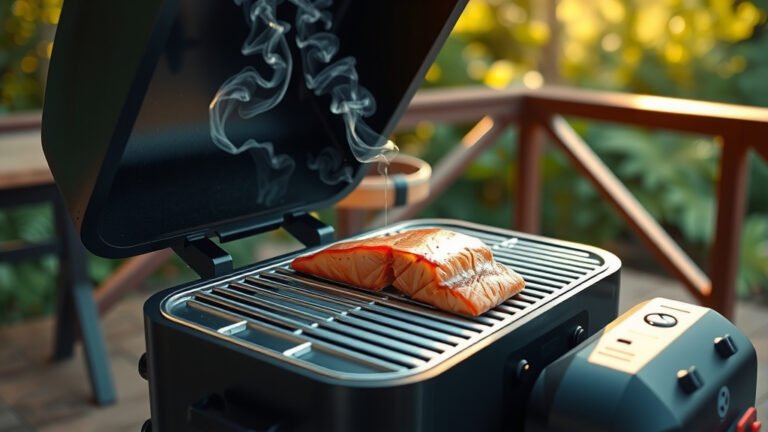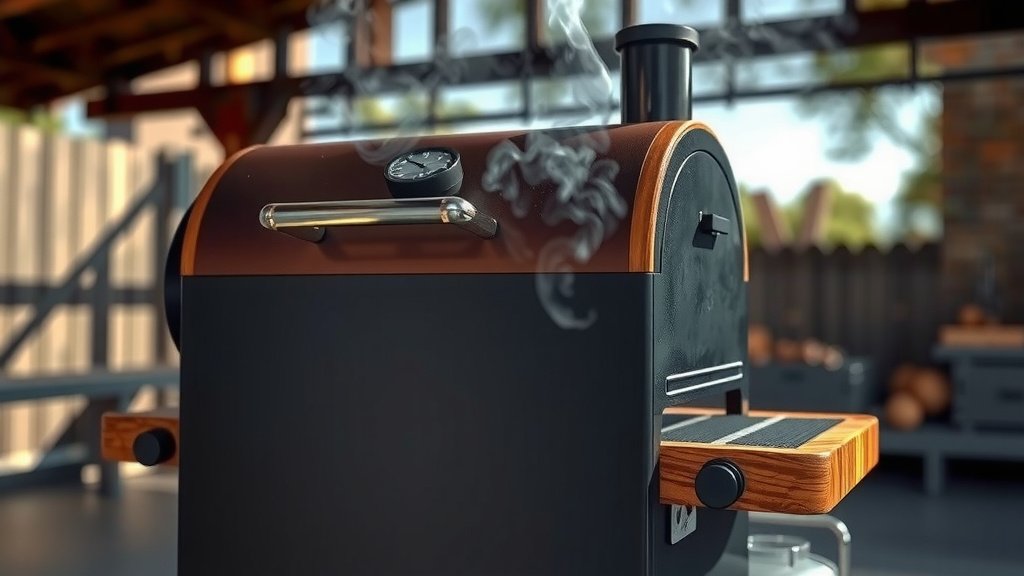
A smoker grill works by cooking food low and slow, using indirect heat and wood smoke to infuse flavor and tenderize your meat. It achieves this by generating heat and smoke in a separate area, then circulating it through a sealed cooking chamber.
This process ensures consistent, gentle cooking, allowing collagen in meats to break down slowly, resulting in exceptionally juicy and flavorful barbecue without direct flame exposure.
TL;DR: How a Smoker Grill Works
- Smoker grills use indirect heat and wood smoke for cooking.
- Heat and smoke are generated separately, then move into the cooking area.
- This slow, steady process tenderizes meat and infuses rich flavors.
- Temperature control is key for consistent, delicious results.
- You get that authentic barbecue taste without burning your food.
How A Smoker Grill Works?
A smoker grill operates by creating a controlled environment where low temperatures and aromatic smoke work their magic on food. It’s all about indirect heat and a sealed cooking space.
Think of it as a flavorful convection oven, but with wood. You’re not grilling over direct flames. Instead, you’re embracing a patient, gentle cooking method.
The Core Idea Behind Smoking Food
Why smoke food, you ask? Many experts say smoking transforms tough cuts into tender masterpieces. It’s about breaking down connective tissues slowly and infusing a beautiful, smoky taste.
This method differs greatly from quick grilling. You’re aiming for hours of gentle heat, not minutes of searing.
Heat Source: The Engine of the Flavor
Every smoker needs a heat source to begin the process. This can be charcoal, wood, propane, or even electricity. The heat warms up the wood, causing it to produce smoke.
Charcoal provides a classic base heat, while wood chips or chunks add the primary flavor component. The type of wood you choose greatly impacts the final taste profile, as we found through various cooking guides.
Generating That Wonderful Smoke
Smoke production is what gives barbecue its signature taste. Wood chips, chunks, or pellets smolder slowly over the heat source. They don’t burst into flames, which would create soot.
Instead, they release a thin, blue smoke. This “clean” smoke is full of flavor compounds that cling to your food, giving it that amazing taste. Too much thick, white smoke can make food bitter, many pitmasters will tell you.
The Cooking Chamber: Where Magic Happens
The cooking chamber is the heart of your smoker grill. This is where your brisket, ribs, or chicken rests, soaking in all that smoky goodness. It’s designed to hold a steady, low temperature.
Maintaining a consistent temperature here is vital for evenly cooked, tender food. Fluctuations can lead to dry spots or uneven cooking, which nobody wants.
Temperature Control: A Guiding Hand
Controlling the temperature is like steering a ship; you need a steady hand. Most smoker grills have dampers or vents to manage airflow. More airflow often means a hotter fire, while less air cools it down.
Monitoring with a reliable thermometer is non-negotiable. We found that accurate temperature readings are the secret to consistent, great results (USDA guidelines support this for food safety too).
Airflow and Vents: The Breath of the Smoker
Vents play a huge role in how a smoker works. You typically have an intake vent near the heat source and an exhaust vent on top or side of the cooking chamber. This creates a natural draw.
The air enters, feeds the fire, picks up smoke, flows over the food, and exits through the exhaust. This ensures fresh smoke continuously washes over your meat, research often highlights.
Different Types of Smoker Grills
You’ll find a few main types of smoker grills, each with its own charm. Understanding them helps you pick the right one for your cooking style.
- Offset Smokers: These have a separate firebox on the side. Heat and smoke travel horizontally into the main cooking chamber. They require more active management.
- Vertical Water Smokers: Often look like a bullet. They have a water pan between the heat source and the food, which helps stabilize temperature and adds moisture.
- Pellet Grills: These use wood pellets fed automatically into a firepot. An electric igniter and fan maintain precise temperatures. They are known for their ease of use.
- Electric Smokers: These use an electric heating element to heat wood chips. They offer precise temperature control but sometimes produce a milder smoke flavor.
- Kamado Grills: Ceramic grills that are excellent at retaining heat. They can grill at high temps or smoke low and slow with minimal fuel.
The Science of Flavor: How Smoke Infuses Food
When smoke interacts with meat, something wonderful happens. The smoke particles, along with various compounds, settle on the surface of the food. These compounds contribute to taste, color, and aroma.
The low, moist heat also helps break down collagen, turning tough fibers into gelatin. This is why smoked meats are so incredibly tender and juicy, many culinary texts explain.
Maintaining Consistent Heat and Smoke
Achieving stable heat and smoke for hours can feel like an art. It takes practice to learn your smoker’s quirks. Small adjustments to vents make a big difference.
We’ve found that using a good quality, lump charcoal as a base for charcoal smokers provides a more consistent burn. Adding wood chunks periodically keeps the smoke flowing.
Your Smoker Grill Checklist for Success
Getting ready for a smoke session? Here’s a quick checklist to help you prepare your smoker grill for optimal performance:
- Inspect and clean your smoker before each use.
- Ensure you have enough fuel (charcoal, pellets, wood).
- Check your water pan (if applicable) for a full fill.
- Have reliable meat and ambient temperature thermometers ready.
- Plan your cook time and temperature settings in advance.
- Keep extra wood chips or chunks handy for refilling.
Comparing Smoker Grill Features
Let’s look at some common smoker grill types and their primary characteristics. This helps clarify what you might prefer for your backyard cooking adventures.
| Smoker Type | Fuel Source | Temperature Control | Flavor Profile |
|---|---|---|---|
| Offset Smoker | Wood/Charcoal | Manual, requires attention | Deep, traditional smoke |
| Vertical Water Smoker | Charcoal | Stable with water pan | Moist, balanced smoke |
| Pellet Grill | Wood Pellets | Digital, very precise | Consistent, mild smoke |
| Electric Smoker | Electric + Wood Chips | Digital, highly accurate | Subtle, clean smoke |
| Kamado Grill | Charcoal | Excellent heat retention | Versatile, intense smoke |
As you can see, each type offers a slightly different experience. Your choice often comes down to how much hands-on control you enjoy and the intensity of smoke flavor you prefer.
Conclusion
Understanding how a smoker grill works truly opens up a world of culinary possibilities. It’s about more than just cooking; it’s about a process that builds layers of flavor and transforms food. You’re orchestrating heat, smoke, and time to create something truly special.
Whether you’re new to smoking or a seasoned pro, the principles remain the same: control your heat, manage your smoke, and be patient. The reward is always worth the effort—tender, smoky barbecue that delights everyone around your table.
What is the ideal temperature range for smoking meat?
Most experts suggest an ideal temperature range of 225°F to 275°F (107°C to 135°C) for smoking meat. This low and slow heat allows connective tissues to break down, resulting in tender, juicy results without drying out the meat.
How do I add smoke flavor to my food?
You add smoke flavor by using wood chips, chunks, or pellets that smolder, not burn, over your heat source. The type of wood, like hickory, apple, or mesquite, will directly influence the specific flavor profile that infuses into your food.
Is a water pan really necessary in a smoker?
A water pan is not always strictly necessary, but it serves two main purposes: it helps stabilize the internal temperature of the smoker by acting as a heat sink, and it adds moisture to the cooking environment, which can keep your meat from drying out during long cooks.
How often should I open my smoker lid during a cook?
Try to open your smoker lid as little as possible. Every time you lift the lid, heat and smoke escape, which can drop the internal temperature significantly and prolong your cooking time. “If you’re looking, it ain’t cooking” is a common saying among pitmasters.
What’s the difference between grilling and smoking?
The main difference lies in temperature and cooking method. Grilling uses high, direct heat for quick cooking and searing. Smoking uses low, indirect heat and wood smoke for slow cooking, tenderizing, and flavor infusion over many hours.