
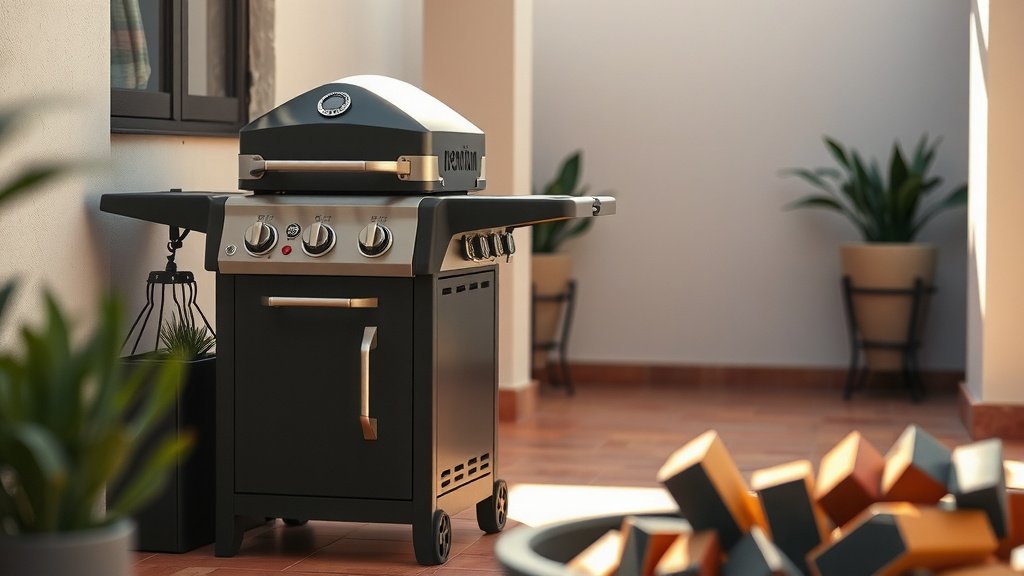
No, you generally do not need charcoal for a gas grill, as gas grills are designed to operate independently using propane or natural gas.
While some accessories allow you to add a smoky flavor, charcoal is not a functional requirement for cooking on a gas grill.
Here’s a quick rundown of what you need to know:
- Your gas grill functions perfectly fine without charcoal.
- Charcoal can provide a distinct smoky flavor, but it is not essential for cooking.
- Use a smoker box with wood chips for a safe and effective way to add smoke to your gas grill.
- Mixing charcoal directly into a gas grill is risky and can cause damage.
- For the best performance, rely on your grill’s intended fuel source.
Do I Need Charcoal For A Gas Grill?
Absolutely not! Your gas grill operates on propane or natural gas. It’s built to provide heat and cook your food using that fuel source alone.
You’ve got a gas grill for a reason, right? Perhaps for its quick startup, consistent heat, or easy cleanup. The thought of adding charcoal might seem like a way to improve flavor. But let’s clarify why your grill is already perfect and what charcoal truly offers.
Understanding Your Gas Grill’s Design
Gas grills are marvels of modern convenience. They use burners to ignite gas, which then heats up your cooking grates. This setup ensures even and controllable heat across the entire cooking surface. We found that this design prioritizes ease of use and consistent results.
There’s no place for briquettes or lump charcoal in this system. Trying to introduce them can upset the delicate balance. Your grill components are not made for direct charcoal heat.
The Allure of Charcoal Flavor
Many grill enthusiasts often mention that unique, smoky flavor profile charcoal grilling delivers. It’s a distinct taste that comes from the burning wood and charcoal ash. People often associate this with a more traditional BBQ experience.
Can you achieve a similar smoky character on your gas grill? Yes, you certainly can! We found several methods to infuse that deep taste without using actual charcoal.
Can You Put Charcoal Directly In a Gas Grill?
In most cases, you should never place charcoal directly into a gas grill. Gas grills are not built to handle the intense, localized heat of burning charcoal. This practice can damage your burners, grates, and even the grill’s structural integrity.
It also presents a significant fire hazard. Gas lines and components are not insulated for the radiant heat of charcoal. Many experts say this can compromise the safety features of your grill.
How to Get Smoky Flavor Without Charcoal
This is where the magic happens for gas grill owners. Wood chips are your best friend here! They allow you to add wonderful smoky notes safely. Imagine hickory, mesquite, or applewood infusing your food.
Using wood chips is a simple and effective way to replicate that desired smokiness. It’s designed to complement your gas grill’s existing structure. You get flavor without the risks.
Using a Smoker Box or Foil Pouch
A metal smoker box is a fantastic accessory. You simply fill it with your favorite pre-soaked wood chips. Then, you place the box directly on your grill grates, usually over one of the lit burners.
No smoker box? No problem! You can fashion a simple foil pouch. Just wrap some wood chips in aluminum foil, poke a few holes, and place it on the grates. These methods allow smoke to circulate around your food, imparting flavor.
Here’s a look at how different fuel sources stack up:
| Feature | Gas Grill | Charcoal Grill | Gas Grill with Wood Chips |
|---|---|---|---|
| Heat Control | Precise, Consistent | Variable, Less Direct | Precise, Consistent |
| Flavor Profile | Clean, Seared | Deeply Smoky, Charred | Clean, Mildly Smoky |
| Setup Time | Very Fast | Slower (lighting charcoal) | Fast (add smoker box) |
| Cleanup | Easy | Ash Disposal, Messier | Easy (minor ash from chips) |
The Risks of Mixing Charcoal and Gas
Attempting to combine charcoal and gas can introduce serious hazards. Your gas grill’s components, such as burners and flavorizer bars, are not built to withstand the direct heat of burning charcoal. This can lead to rapid deterioration.
Beyond damage, there’s a real danger of fire. Gas lines and igniters are sensitive. We found that exposing them to uncontrolled charcoal heat can cause gas leaks or other malfunctions. It’s simply not worth the risk when safer options for flavor exist.
What About Hybrid Grills?
Hybrid grills are a distinct category. These appliances are specifically engineered to accommodate both gas and charcoal fuels. They feature dedicated compartments or convertible sections for each fuel type.
If you own a hybrid grill, congratulations! You can switch between fuels as desired. However, you must always follow the manufacturer’s specific instructions for safe operation. Do not confuse a standard gas grill with a hybrid unit.
Why Stick to One Fuel Source?
Using your grill as it was designed ensures both optimal safety and cooking performance. Each type of grill is fine-tuned for a particular fuel source. This optimization affects everything from heat distribution to ventilation.
Trying to force a different fuel type can lead to inefficient cooking. You might get uneven temperatures, flare-ups, or poor flavor. Sticking to one source ensures a more predictable and enjoyable grilling experience.
Making the Most of Your Gas Grill
Embrace the unique strengths of your gas grill! It excels at precise temperature control, perfect for searing steaks or slow-roasting chicken. Experiment with different cooking zones for indirect heat.
Elevate your flavors with marinades, dry rubs, and brines. You can also vary your wood chip choices – applewood for poultry, mesquite for beef, or cherry for pork. There’s a whole world of flavor to discover!
Here’s a quick checklist for boosting flavor on your gas grill:
- Soak Wood Chips: Submerge wood chips in water for about 30 minutes before use.
- Use a Smoker Box: Place soaked chips in a dedicated smoker box or a foil pouch.
- Preheat Your Grill: Get your grill to the desired temperature before adding food.
- Position Smoker Box: Place the box directly over a lit burner on the cooking grate.
- Close the Lid: Keep the lid closed to trap the smoke around your food.
When Charcoal is the Right Choice
If that intense, smoky, and char-grilled flavor is your top priority, a dedicated charcoal grill remains the best option. These grills are designed to handle the high heat and direct flame of charcoal. Many passionate grillers often own both gas and charcoal grills.
Having both gives you the versatility to choose the perfect tool for the job. Do you want quick weeknight burgers? Gas. Do you crave slow-smoked ribs with a rich, smoky bark? Charcoal might be your go-to.
Common Misconceptions About Grilling Fuels
Some people mistakenly believe that gas grills are “less authentic” than charcoal. This isn’t accurate; they simply offer different cooking experiences. Both types of grills can produce incredibly delicious food.
Charcoal isn’t inherently “better,” it just provides a distinct flavor profile. The key lies in understanding your grill and mastering your technique. Both gas and charcoal have their strengths, catering to different preferences and cooking styles.
Conclusion
So, do you need charcoal for a gas grill? The clear answer is no. Your gas grill is a complete cooking system on its own, offering convenience and precise temperature control. While the smoky flavor of charcoal is appealing, you can achieve similar results safely and effectively by using wood chips in a smoker box.
Prioritize safety and respect your grill’s design. Focus on enhancing flavors through marinades, rubs, and the proper use of wood chips. Enjoy the versatility and ease your gas grill provides, creating delicious meals every time!
Can I use lava rocks instead of charcoal in a gas grill?
No, you generally should not use lava rocks in modern gas grills. While older gas grills sometimes used lava rocks for heat distribution, modern gas grills use flavorizer bars or heat diffusers for this purpose. Adding lava rocks can hinder proper airflow, affect burner performance, and potentially create grease flare-ups.
Do grill briquettes work in a gas grill?
No, grill briquettes, which are made of compressed charcoal dust and other binders, are not suitable for a gas grill. They require direct ignition and an open flame that gas grills are not designed to provide safely. Using them can damage your grill and create fire hazards.
What’s the best wood chip for a gas grill?
The “best” wood chip depends on your personal taste and the food you are cooking. Hickory offers a strong, bacon-like flavor, great for beef and pork. Mesquite provides an even bolder, spicier smoke, popular for red meats. Apple and cherry woods give a milder, sweeter, fruity smoke, ideal for poultry and fish. Experiment to find your favorite!
How do I clean a smoker box after use?
After your smoker box has cooled completely, discard any spent wood chips and ash. You can then wash the metal box with warm, soapy water and a scrub brush to remove any residue. Rinse it thoroughly and dry it completely before storing it to prevent rust.
Is it okay to put wood chunks in a gas grill?
It’s generally not recommended to place large wood chunks directly into a standard gas grill. Wood chunks are larger than chips and burn slower, producing more intense, longer-lasting smoke and heat that your grill may not be designed to handle. Stick to smaller wood chips used in a smoker box for safety and optimal results.
