
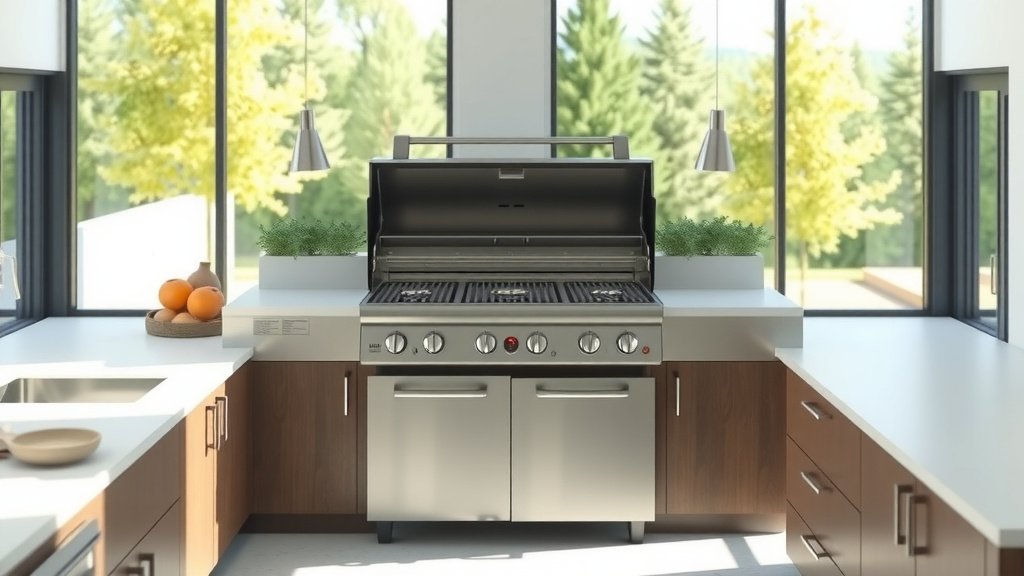
Using a propane grill inside your home is extremely dangerous due to the immediate risk of carbon monoxide poisoning and potential fire hazards.
You should never use a propane grill indoors, in a garage, or on an enclosed porch, as it poses severe health and safety risks to everyone present.
- Never use a propane grill indoors, in a garage, or any enclosed space.
- Carbon monoxide from propane grills is odorless, invisible, and deadly.
- Indoor use creates extreme fire and explosion risks.
- Always operate propane grills outside in well-ventilated, open areas.
- Prioritize safety by understanding and avoiding these critical dangers.
Can You Use A Propane Grill Inside?
No, you absolutely cannot use a propane grill inside. It is a dangerous practice that can lead to severe injury or death. This is one of the most critical safety rules for grilling.
Why Indoor Grilling with Propane is a Big No-No
Thinking about firing up your propane grill indoors might seem convenient, especially when the weather isn’t cooperating. However, this is a very risky idea. There are serious, life-threatening reasons why you should never bring a propane grill inside your home, garage, or even a screened porch.
The Silent Killer: Carbon Monoxide
Propane grills, when burning, produce carbon monoxide (CO). This gas is colorless, odorless, and tasteless, making it incredibly dangerous. You won’t know it’s there until it’s too late. When used indoors, CO can quickly build up to toxic levels, leading to sickness, unconsciousness, and even death (CDC).
Fire Hazards and Explosions
Propane is a highly flammable gas. Using it inside brings a significant risk of fire or explosion. A small leak, an open flame near combustible materials, or an overheated grease tray can turn a fun cooking session into a disaster in moments. We found that the National Fire Protection Association (NFPA) consistently warns against indoor grilling.
Poor Ventilation Dangers
Indoor spaces lack the proper ventilation needed for safe grill operation. Even with windows open, the air circulation is usually insufficient to disperse the harmful gases and heat. This poor ventilation makes carbon monoxide accumulation much faster and more deadly.
What Are the Risks to Your Health?
Beyond the immediate fire risk, breathing in exhaust from a propane grill is seriously bad for your health. Your body needs oxygen, and carbon monoxide prevents your blood from carrying it effectively. This affects all your organs, especially your brain and heart.
Symptoms of Carbon Monoxide Exposure
Symptoms of CO poisoning can start subtly, often mimicking flu-like symptoms. You might experience a headache, dizziness, nausea, and general weakness (Mayo Clinic). As exposure continues, confusion, vomiting, chest pain, and loss of consciousness can happen. Do not ignore these signs if you suspect CO exposure.
Outdoor Grilling Safety Essentials
To enjoy your propane grill safely, keep it outside, always. Using it outdoors allows proper ventilation and significantly reduces carbon monoxide and fire risks. Always maintain a safe distance from your home and other structures.
Choosing the Right Spot for Your Grill
Place your grill on a flat, stable surface, far from anything that can catch fire. Think about overhanging eaves, wooden fences, or dry leaves. Many experts advise keeping your grill at least 10 feet away from your house. This distance creates a vital safety buffer.
Maintaining Your Propane Grill
Regular cleaning and maintenance are a must. Make sure your grill is clean, especially the grease trap, before each use. Check hoses for cracks or leaks. A well-maintained grill performs better and is much safer to operate (Consumer Reports).
Emergency Preparedness
Always have a fire extinguisher or a bucket of sand close by when grilling. Knowing how to quickly shut off your gas supply is also important. These simple steps can make a big difference if something unexpected happens.
Alternatives to Indoor Propane Grilling
Craving that grilled taste but stuck inside? Don’t even think about bringing your propane grill indoors. There are plenty of safe and delicious ways to get similar results without the danger.
- Use an electric indoor grill designed for safe indoor use.
- Try a cast-iron grill pan on your stovetop for great sear marks.
- Broil foods in your oven to mimic intense, direct heat.
- Consider air fryers for crispy textures.
- Explore slow cookers for tender, moist meats.
Electric Grills and Griddles
Electric indoor grills are a fantastic option. They are specifically designed to be used inside your home. They produce no carbon monoxide and often have built-in safety features. These appliances are perfect for rainy days.
Stovetop Grills and Pans
A good cast-iron grill pan on your stove can create wonderful char marks and flavor. While it won’t give you the smoke, it does a great job of searing meats and vegetables. Plus, cleanup is usually simple with these pans.
Oven Broiling Techniques
Your oven’s broiler setting acts like an upside-down grill. It uses intense, direct heat from above to cook food quickly. This method is great for achieving a crispy finish on meats, fish, and vegetables without any carbon monoxide risk.
Understanding Propane Tanks and Usage
Propane tanks themselves need careful handling, whether full or empty. Improper storage or use can lead to dangerous situations. Always follow manufacturer guidelines for tank care.
| Feature | Propane Grills (Outdoor Use ONLY) | Indoor Electric Grills (Safe for Indoors) |
|---|---|---|
| Carbon Monoxide Risk | Very High (if used indoors) | None |
| Fire/Explosion Risk | High (if used indoors) | Low (standard electrical appliance risk) |
| Ventilation Required | Outdoor, open air | Standard kitchen ventilation |
| Fuel Type | Propane gas | Electricity |
| Setup | Must be outdoors, away from structures | Countertop use, plug-and-play |
Proper Storage of Propane Tanks
Always store propane tanks outdoors, in a well-ventilated area, and away from direct sunlight or heat sources. Never store them inside your home, garage, or shed. This guidance is consistent across all safety organizations (NFPA).
Checking for Leaks
Before connecting your tank, it’s wise to perform a simple leak test. Apply soapy water to the hose and connections. If you see bubbles, you have a leak. Turn off the gas immediately and fix or replace the faulty part.
Grill Safety Checklist
Keeping safety in mind makes grilling enjoyable and risk-free. Here’s a quick checklist to make sure you’re ready to grill safely every time.
- Is your grill always used outdoors, far from buildings?
- Are all propane tank connections tight and free of leaks?
- Is the grill clean, especially the grease trap, before lighting?
- Do you have a fire extinguisher nearby and know how to use it?
- Is the grill on a stable, level surface, away from combustibles?
Conclusion
Using a propane grill inside is a gamble with incredibly high stakes. The risks of carbon monoxide poisoning, fire, and explosions are simply too great to ignore. We understand the desire to grill any time, but safety should always be your top priority. Remember to always keep your propane grill outside, practice good maintenance, and explore safe indoor alternatives when the weather doesn’t cooperate. Your health and safety, and that of your loved ones, depend on it.
Is it okay to use a propane grill in a garage with the door open?
No, it is not safe to use a propane grill in a garage, even with the door open. A garage, even when open, is an enclosed space that can trap carbon monoxide and poses significant fire risks due to poor ventilation and the presence of flammable materials.
What is carbon monoxide and why is it dangerous from a grill?
Carbon monoxide (CO) is a toxic gas produced when fuel, like propane, burns incompletely. It is dangerous because it is colorless, odorless, and tasteless, making it undetectable without an alarm. When inhaled, it replaces oxygen in your blood, starving your body of vital oxygen, which can cause illness, brain damage, and death.
Are electric indoor grills safe to use?
Yes, electric indoor grills are safe to use inside your home. They do not use propane or produce carbon monoxide, making them a safe alternative for cooking indoors. Always ensure you follow the manufacturer’s instructions for safe operation and cleaning.
How can I tell if my propane tank is leaking?
You can check for a propane leak using a simple soap and water solution. Apply the mixture to the tank valve, hose, and connections. If you see bubbles forming, it indicates a gas leak. If this happens, immediately turn off the gas, and do not use the grill until the leak is fixed or the part is replaced.
Can I use a propane camp stove indoors for cooking?
Just like a propane grill, a propane camp stove should never be used indoors. They also produce carbon monoxide, which can quickly build up to dangerous levels in enclosed spaces. Always use camping stoves outdoors in a well-ventilated area to stay safe.
