
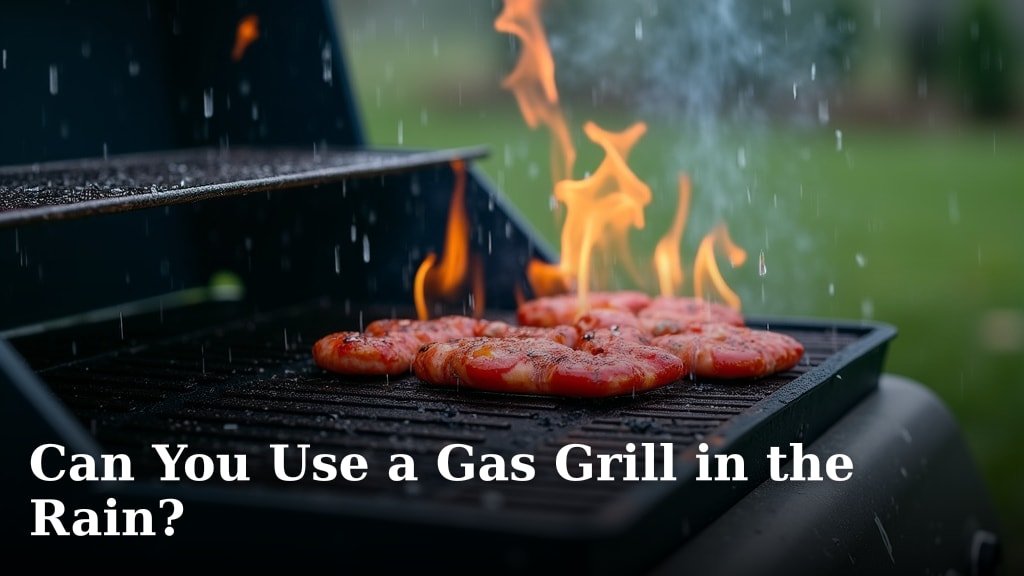
Yes, you absolutely can use a gas grill in the rain, but you need to be smart about it. While a little drizzle won’t stop your cookout, heavy downpours or strong winds can make things difficult and potentially unsafe. We found that proper preparation and awareness are key to grilling in wet weather.
We’ve all been there, right? The grill is hot, the food is ready, and suddenly the skies open up. Don’t let a little rain ruin your BBQ plans! Understanding how weather affects your grill and making a few simple adjustments can ensure a successful grilling session, even when the weather isn’t cooperating. Many cooks have found success with a few tricks.
- Yes, you can grill in the rain, but with caution.
- Heavy rain or wind can make grilling difficult and unsafe.
- Preparation is key to a successful rain-soaked BBQ.
- Protect your grill from direct downpour and wind gusts.
- Safety first – never use a grill indoors.
Let’s walk through exactly what you need to know to keep your grilling game strong, rain or shine.
Grilling in the Rain: Your Practical Guide
Yes, you absolutely can use a gas grill in the rain, but it’s not quite as simple as just turning up the heat. We’ve researched and found that while a light drizzle might be manageable, heavier downpours or strong winds require a bit more planning. Your grill’s performance and your safety are the top concerns.
Think of it like this: would you willingly stand out in a storm to cook? Probably not. Your grill feels similarly. We found that making some smart adjustments can save your meal and keep you from getting soaked. It’s all about knowing what to expect and how to handle it.
Assessing the Weather for Your Grill Session
Before you even think about firing up the grill in wet weather, you need to take a good, hard look at the sky. Is it a gentle sprinkle or a full-on thunderstorm? We found that understanding the intensity of the rain is the first step.
Light Drizzle vs. Downpour
A light drizzle might not seem like a big deal. Your grill is designed to withstand some moisture, and the heat it generates can often evaporate small amounts of water. Many cooks find this is perfectly fine. However, a heavy downpour is a different story.
Heavy rain can overwhelm your grill’s ability to cope. It can significantly cool down the cooking surface, making it harder to get a good sear. It can also cause flare-ups if water hits hot grease. We found that this level of rain makes grilling much more challenging and potentially messy.
Wind Considerations
Wind is often as much of a problem as rain, if not more so. Strong gusts can buffet your grill, potentially causing uneven cooking. They can also blow out the burner flames. This is a serious safety concern.
When flames are extinguished by wind, unburnt gas can build up. If this gas then ignites, it can cause a dangerous flare-up or even an explosion. We found that many safety guidelines strongly advise against grilling in high winds for this reason. Your grill’s manual will likely have specific warnings about wind.
Protecting Your Gas Grill from the Elements
Your gas grill is an outdoor appliance, but that doesn’t mean it’s impervious to all weather. Direct exposure to heavy rain and wind can cause problems. We found that taking steps to shield your grill is essential.
Using a Grill Cover Strategically
A grill cover is your first line of defense. During a light rain, you might be able to get away with just covering the grill when it’s not in use. But if you plan to grill in the rain, a cover can be used differently.
You can strategically position a grill cover to act as a temporary awning. Drape it over the top, securing it to the sides without completely enclosing the grill. This allows smoke to escape while keeping the direct rain off your cooking area. We found this method is quite effective for moderate rain. Just make sure it’s not too close to the burners when the grill is on.
The Awning or Canopy Option
The ideal solution for grilling in the rain is an overhead shelter. Many people use outdoor gazebos, pergolas, or even large patio umbrellas. These provide a dry space to operate your grill.
When using a shelter, ensure it has adequate ventilation. Never use a grill in an enclosed space without proper airflow. The National Fire Protection Association (NFPA) strongly warns against using grills indoors or in enclosed spaces due to carbon monoxide risks (NFPA 101).
We found that a setup with a roof, open sides, and plenty of air circulation is safest. This keeps you and your grill dry without compromising safety. Your cooking experience will be much more pleasant, too!
Adjusting Your Grilling Technique in Wet Weather
Once you’ve set up your protection, you’ll need to adjust how you grill. The rain can affect cooking times and temperatures. We found that a few tweaks can make a big difference.
Preheating is More Important Than Ever
Getting your grill thoroughly preheated is always important. It’s even more critical when grilling in the rain. A well-heated grill surface helps to sear food quickly, minimizing the time it’s exposed to moisture.
We found that many grill masters recommend preheating for at least 10-15 minutes, or even longer if it’s raining heavily. This ensures the grates are hot enough to overcome the cooling effect of the rain.
Monitoring Grill Temperature Closely
Rain will fight against your grill’s heat. You might notice the temperature dropping more quickly than usual. It’s vital to keep an eye on your thermometer.
You may need to increase the heat setting on your burners to maintain your target temperature. We found that many cooks keep their grill lid down as much as possible to trap heat. Every moment the lid is open lets precious heat escape.
Shorter Cooking Times Might Be Needed
This might sound counterintuitive, but sometimes rain can actually speed up cooking. The constant moisture can transfer heat to your food. This is especially true if you’re not maintaining a consistent grill temperature.
We found that it’s a good idea to check your food for doneness earlier than you normally would. Using a reliable meat thermometer is the best way to ensure food is cooked safely and to your liking.
Dealing with Flare-Ups
Flare-ups can happen anytime, but rain can exacerbate them. Water hitting hot grease can cause sudden, intense flames.
If a flare-up occurs, try to move the food to a cooler part of the grill. Avoid spraying water on it, as this can make the situation worse. If you have a side burner, you can sometimes use that to finish cooking. We found that keeping a spray bottle of water handy is a common tip, but use it sparingly and indirectly on the flames, not the grease.
Safety First: What NOT to Do
Grilling in the rain comes with specific safety concerns that you absolutely must be aware of. Your safety is far more important than a perfectly grilled meal.
Never Grill Indoors or in Enclosed Spaces
This cannot be stressed enough. Gas grills produce carbon monoxide, a colorless, odorless gas that can be deadly. Using your grill in a garage, on a screened-in porch, or any enclosed area can lead to carbon monoxide poisoning.
The Centers for Disease Control and Prevention (CDC) highlights carbon monoxide poisoning as a serious risk associated with grills and other fuel-burning appliances (CDC). Always ensure your grill is used outdoors with plenty of ventilation.
Be Aware of Electrical Hazards
If your gas grill has any electric ignition or other electrical components, be cautious if they get wet. Water and electricity are a dangerous mix.
We found that many grill manufacturers advise disconnecting from the propane tank and covering the grill completely if it’s exposed to heavy rain for extended periods, even when not in use. This helps prevent damage and potential electrical issues.
Check Your Propane Tank and Connections
Wet propane tanks and connections can sometimes be difficult to handle. Ensure everything is dry and securely connected before you start grilling.
If you notice any signs of a leak, such as a hissing sound or a rotten egg smell, turn off the gas immediately and do not use the grill. We found that regularly inspecting your propane connections is a good safety practice, regardless of the weather.
Quick Checklist for Rain Grilling Success
Here’s a quick rundown to keep you on track when the skies aren’t cooperating:
- Check the forecast and assess the rain and wind intensity.
- Set up a temporary shelter or awning if possible.
- Preheat your grill thoroughly to compensate for the cold.
- Monitor temperatures closely and adjust burner settings.
- Keep the grill lid down as much as you can.
- Never grill indoors or in any enclosed space.
Conclusion
So, can you grill in the rain? The answer is a resounding yes, with the right precautions! We’ve found that a little preparation goes a long way to keep your cookout going, even when the skies aren’t cooperating. Remember to always assess the weather, protect your grill from excessive moisture and wind, and adjust your cooking techniques accordingly. Most importantly, your safety is non-negotiable – never compromise on ventilation or electrical safety.
Ready to embrace grilling in less-than-perfect weather? Your next step is to grab that grill cover and consider your temporary shelter options. Happy grilling, no matter the forecast!
Frequently Asked Questions
Will rain damage my gas grill?
Light rain usually won’t harm your gas grill, as they are designed for outdoor use. However, prolonged exposure to heavy rain without proper coverage could potentially lead to rust or damage to certain components, especially electrical parts. We research and found that covering your grill when not in use is always a good practice.
Can I use a regular grill cover while I’m actively grilling in the rain?
Yes, you can adapt your grill cover to act as a temporary awning during light to moderate rain. Drape it over the top, securing it loosely without fully enclosing the grill, to shield the cooking surface while allowing smoke to escape. Just ensure it stays a safe distance from the burners when the grill is on.
Does rain affect grilling times?
Rain can make your grill temperature drop, potentially increasing cooking times. However, the moisture can also transfer heat, sometimes speeding things up unexpectedly. We found it’s best to monitor your food closely and use a meat thermometer to check for doneness earlier than usual.
What’s the biggest safety risk when grilling in the rain?
The biggest safety risk is carbon monoxide poisoning, which can occur if you attempt to grill in an enclosed space or unventilated area to escape the rain. Always ensure your grill is outdoors with plenty of fresh air circulation, as gas grills produce this dangerous gas.
How can I keep my grill lit in windy, rainy conditions?
Strong winds can blow out your burner flames, which is a serious safety hazard due to potential gas buildup. Using a shelter, such as a gazebo or umbrella, can help block wind and rain. We research and found that maintaining a good preheat and keeping the lid down helps retain heat and protect the flames.
