Can I Put My Gas Grill On Cinder Blocks?
On this page (6 sections)
Placing your gas grill on cinder blocks is generally possible for temporary elevation, but it raises significant safety concerns regarding stability and heat dissipation.
While inexpensive, this setup can create an unstable cooking surface and potential fire hazards, making safer alternatives a much better choice for your grilling experience.
- Cinder blocks can elevate your gas grill, but often lack stability.
- Safety is a big concern due to tipping risks and heat issues.
- Always use a level, non-combustible spot for grilling.
- Safer options like dedicated grill stands or custom bases are best.
- Always prioritize stability and fire safety for every grill session.
Can I Put My Gas Grill On Cinder Blocks?
Yes, you can physically place a gas grill on cinder blocks, but it’s often not the safest or most stable long-term solution.
Many grilling experts suggest exploring more secure and heat-resistant options for elevating your grill.
The Allure of Cinder Blocks
Cinder blocks seem like a simple answer for raising your grill. They are cheap and readily available at most hardware stores.
You might be looking for a quick fix to get your grill to a more comfortable height, and blocks look like an easy way to do it.
Are Cinder Blocks Really a Good Idea?
While tempting, using cinder blocks for your gas grill brings up some real concerns. Think about what happens if things go wrong.
We found that many people overlook the potential dangers when they opt for this budget-friendly choice (Consumer Product Safety Commission – CPSC).
Key Safety Concerns You Must Consider
When you grill, safety should always come first. Using cinder blocks can introduce several risks that are simply not worth taking.
Let’s look at why this common idea might not be the best one for your grilling setup.
Unstable Foundation Risks
Cinder blocks, especially when stacked, can be quite wobbly. A slight bump or uneven ground could cause your grill to tip.
Imagine your hot grill full of food falling over. That’s a mess, and much worse, a major burn hazard.
Uneven Ground and Tilting Grills
Most outdoor areas aren’t perfectly flat. Placing blocks on uneven ground makes the entire setup unstable.
A tilted grill can lead to grease fires or propane tank issues, creating even more danger.
Heat Transfer and Fire Hazards
Gas grills get very hot underneath. Cinder blocks absorb and retain heat, and they don’t always protect surfaces below.
If you have grass or wood decking under the blocks, this setup could create a fire risk (National Fire Protection Association – NFPA).
Flammable Materials Nearby
You must always keep your grill away from anything that can burn. Cinder blocks won’t stop intense heat from reaching nearby wood or dry grass.
Consider the area around your grill. Is it clear of all flammable items? This is a vital question.
Better Alternatives for Elevating Your Grill
You want your grill at the right height, and that’s understandable. There are many safer, more reliable ways to achieve this without risking safety.
Investing in a proper stand or base pays off in peace of mind and better grilling experiences.
Dedicated Grill Carts and Stands
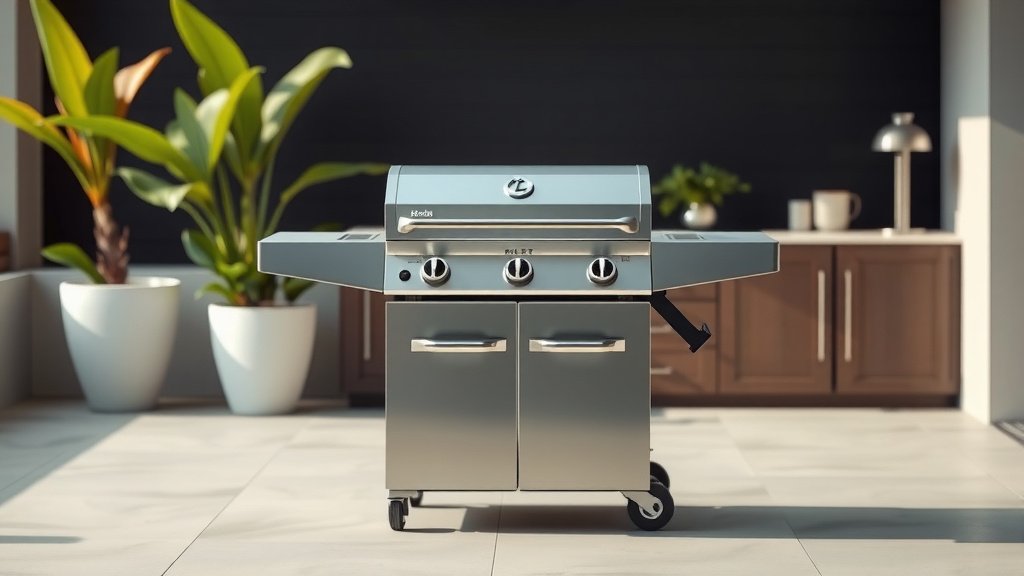
Many grills come with their own sturdy carts designed for stability. If yours doesn’t, you can often buy a universal grill stand.
These stands are built to hold the weight of your grill and provide a level, secure platform.
Non-Combustible Paver Bases
Consider building a base from patio pavers or concrete slabs. These materials are heavy, stable, and won’t catch fire.
A paver base gives you a solid, level surface that’s safe for high temperatures.
Benefits of a Sturdy Base
- Increased stability for your grill.
- Better heat protection for surfaces below.
- Often more aesthetically pleasing than blocks.
- Designed for long-term outdoor use.
- Reduced risk of accidental tipping.
Setting Up Your Grill Safely: A Checklist
No matter how you choose to elevate your grill, always follow these best practices for safety.
A little planning goes a long way in preventing accidents and ensuring a great cookout.
Grill Safety Checklist
- Place your grill on a completely level surface.
- Ensure the grill is stable and won’t wobble.
- Keep the grill at least 10 feet from your house or any structures.
- Clear all flammable materials from around the grill.
- Regularly check your gas lines for leaks and damage.
- Always have a fire extinguisher or water source nearby.
When Cinder Blocks Might Be Okay (Short Term Only)
There are rare situations where cinder blocks might work for very short-term, supervised use, but even then, extreme caution is needed.
We found that experts only advise this in a pinch, and never for a permanent setup (Grilling Safety Alliance).
| Factor | Cinder Blocks | Dedicated Grill Stand |
|---|---|---|
| Stability | Often poor, prone to tipping | Excellent, engineered for safety |
| Heat Protection | Limited, can transfer heat | Good, designed for heat management |
| Cost | Very low | Moderate to high |
| Appearance | Rough, industrial look | Designed to complement grill |
| Long-Term Durability | Can chip, crack, become unstable | Durable, weather-resistant materials |
| Overall Safety | Low | High |
The Bare Minimum for Temporary Use
If you absolutely must use cinder blocks for a short time, you need to follow strict guidelines.
Use solid, unbroken blocks. Make sure they are placed on a perfectly flat, non-combustible surface. Only stack one layer high.
Never leave the grill unattended if it’s on a temporary block setup. Always stay close and supervise.
Conclusion
So, can you put your gas grill on cinder blocks? Technically, yes, but it’s often a compromise on safety and stability.
While they offer a cheap solution for elevation, the risks of tipping, heat transfer, and potential fires are significant.
Your best bet is always to invest in a purpose-built grill stand or create a secure, non-combustible base using pavers.
Prioritizing safety ensures that your grilling moments are fun and delicious, without unexpected hazards. Happy grilling!
What kind of surface is best for a gas grill?
The best surface for a gas grill is non-combustible, level, and stable, such as concrete, patio pavers, or a dedicated metal grill pad.
How far should my grill be from my house?
You should always keep your grill at least 10 feet away from your house, railings, or any other flammable structures, as recommended by fire safety guidelines.
Can uneven ground affect my grill’s performance?
Yes, uneven ground can affect your grill by causing it to tilt, potentially leading to uneven cooking, grease runoff problems, and even instability.
Are there fire-resistant mats for grills?
Absolutely! You can find many fire-resistant grill mats designed to protect the surface underneath your grill from grease, spills, and radiant heat.
Why is stability so important for a gas grill?
Stability is vital for a gas grill to prevent it from tipping over, which could cause severe burns, property damage, or even explode a propane tank if lines are ruptured.