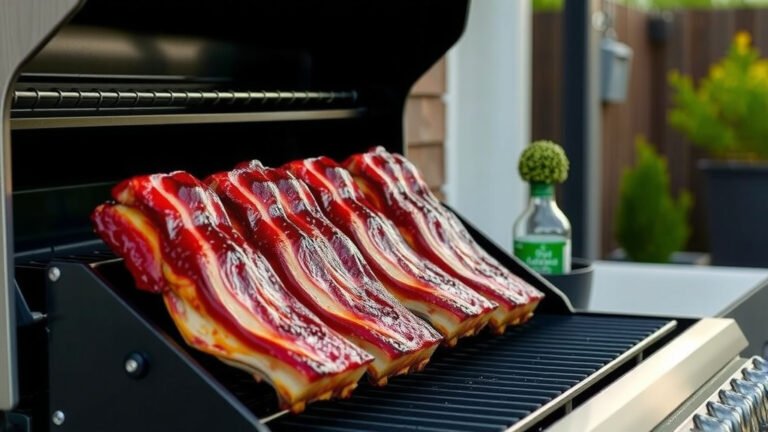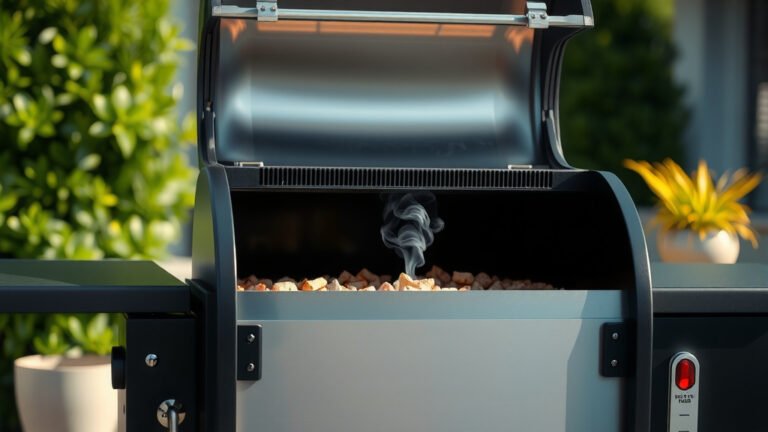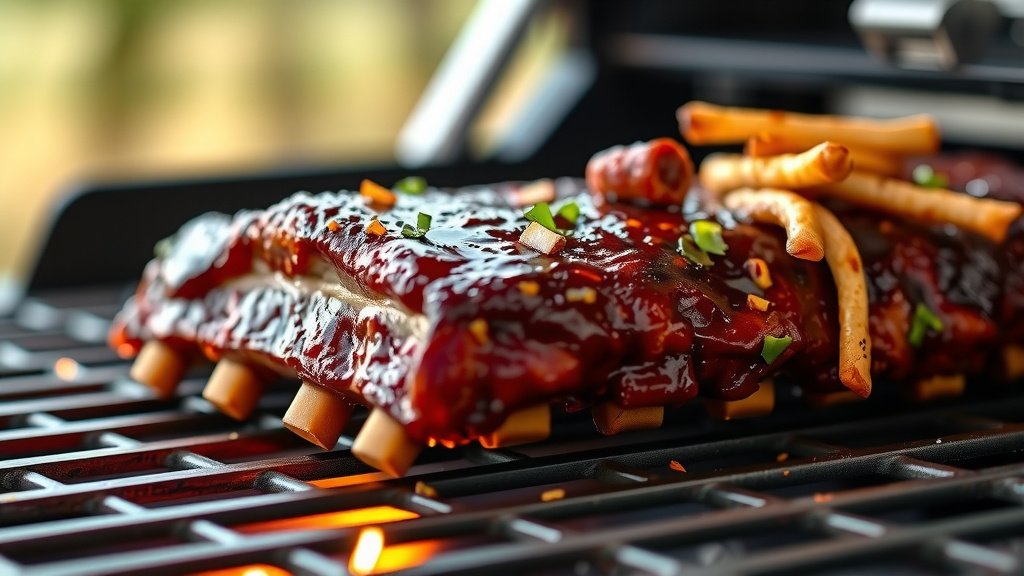
Generally, plan for 6-8 hours to cook beef short ribs on a pellet grill at 250°F (121°C) for tender, fall-off-the-bone results.
The cooking time for beef short ribs on a pellet grill depends on their size and your desired tenderness, aiming for an internal temperature of 203°F (95°C).
- Plan for 6-8 hours of cooking time for your beef short ribs.
- Maintain a consistent pellet grill temperature of 250°F (121°C).
- Cook until the internal temperature hits 203°F (95°C) for perfect tenderness.
- Wrap the ribs in butcher paper or foil after a good bark forms, usually around 3-4 hours.
- Always allow your ribs to rest for at least an hour after cooking to redistribute juices.
How Long To Cook Beef Short Ribs On Pellet Grill?
You will typically need about 6 to 8 hours to cook beef short ribs on a pellet grill at a consistent temperature of 250°F (121°C). The goal is to reach an internal temperature of 203°F (95°C) for ultimate tenderness. Think of it like a slow dance; you want to give the meat plenty of time to break down and become incredibly juicy.
Understanding Beef Short Ribs
Before you even light up your grill, let’s talk about the ribs themselves. Beef short ribs come in a few forms, usually plate short ribs or chuck short ribs. Plate ribs are often larger and meatier, sometimes called “dinosaur ribs.” Chuck ribs are smaller and can have varied meat distribution. Your choice affects the cooking time and prep.
Plate Ribs vs. Chuck Ribs
Plate short ribs, specifically from the plate primal, tend to be thicker and have more meat on the bone. They are often what people picture when they think of those impressive, large beef ribs. Chuck short ribs are cut from the chuck primal and are typically smaller and might have more marbling. This difference in size and thickness means plate ribs might take a bit longer to cook than their chuck counterparts.
Essential Prep Before Grilling
Prepping your short ribs correctly sets you up for success. It’s like preparing a canvas before painting; the foundation matters. Don’t skip these simple steps if you want that amazing result.
Trimming Your Ribs
Before seasoning, you’ll want to inspect your ribs. Look for any large, hard pieces of fat on the surface that won’t render down. You don’t need to be super aggressive, but remove anything that looks chewy or excessive. Some people also remove the membrane from the bone side, though with beef ribs, it’s often optional, as it can be quite thick and sometimes adds to the texture.
Applying Your Rub
A good rub is your secret weapon for flavor. We found that a simple blend of coarse salt, black pepper, and garlic powder works wonders, often called a “SPG” rub. Apply it generously to all sides of the ribs. For best results, let the ribs sit with the rub for at least 30 minutes, or even overnight in the fridge. This allows the flavors to really penetrate the meat.
Setting Up Your Pellet Grill for Success
Your pellet grill is an amazing tool for consistent low-and-slow cooking. Getting the setup right is key to those tender, smoky short ribs. A stable temperature is your best friend here.
Target Temperature: The Sweet Spot
For beef short ribs, a consistent grill temperature of 250°F (121°C) is ideal. This temperature allows the connective tissues to slowly break down without drying out the meat. We found that going much higher can rush the cook and lead to tough ribs. Lower temperatures might extend the cook too much, and also dry them out a bit (Meat Science Institute).
Choosing Your Pellets
The type of wood pellets you choose will influence the flavor profile. Many experts say that stronger woods like oak, hickory, or mesquite pair wonderfully with beef short ribs. These woods impart a rich, savory smoke flavor that complements the beef beautifully. You can also try a blend for a more complex taste.
The Smoking Process: Step-by-Step
Now, let’s get those ribs on the grill. This is where the magic happens, and patience truly becomes a virtue. Don’t rush it; the low-and-slow approach is key.
- Preheat your pellet grill to a steady 250°F (121°C).
- Place the seasoned ribs directly on the grill grates, bone-side down.
- Close the lid and let the smoke do its work.
- Monitor the grill temperature, making sure it stays consistent.
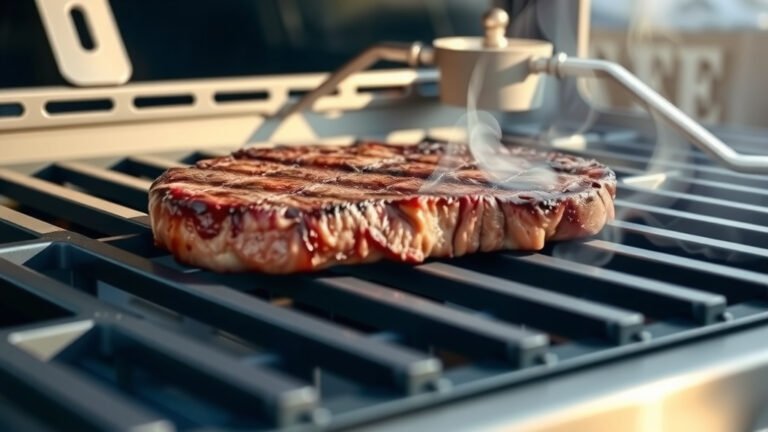
- After about 3-4 hours, check for a nice, dark “bark” formation.
The Infamous “Stall”
Around 150-165°F (65-74°C) internal temperature, your ribs will likely hit the “stall.” This is where the moisture evaporating from the surface cools the meat, and the temperature plateaus. Don’t panic! This is normal. Just keep the grill temperature steady, and eventually, the internal temperature will start to rise again. It’s part of the journey.
To Wrap or Not to Wrap?
After about 3-4 hours, or when your ribs have developed a beautiful, dark bark, it’s time to consider wrapping. Wrapping the ribs tightly in butcher paper or aluminum foil helps them power through the stall, tenderize faster, and retain moisture. Many grill masters prefer butcher paper for a slightly crisper bark, while foil ensures maximum moisture retention. This is a personal preference, so feel free to experiment!
Knowing When Your Ribs Are Done
The internal temperature is a guide, but true tenderness is your ultimate indicator. You’re looking for that perfect, melt-in-your-mouth experience.
Target Internal Temperature
While the USDA recommends a safe internal temperature of 145°F (63°C) for beef, for short ribs to be truly tender and “fall-off-the-bone,” you need to aim higher. We found that cooking until they reach 203-205°F (95-96°C) is the sweet spot. At this temperature, the collagen has fully broken down, creating that incredibly rich, tender texture you’re after (USDA guidelines).
The “Probe Test”
Beyond temperature, the “probe test” is your best friend. When you insert a thermometer probe into the thickest part of the meat (avoiding the bone), it should slide in with very little resistance, feeling like it’s going into warm butter. If it feels tight or resistant, give your ribs more time. This tactile feedback is often more telling than just the number on the thermometer.
The Crucial Resting Period
You’ve waited patiently for hours, and the ribs are finally done. Don’t cut into them right away! The resting period is absolutely essential for juicy, flavorful ribs. It’s not an optional step.
Why Resting Matters
When meat cooks, the muscle fibers contract and push juices to the center. If you slice into them immediately, all those delicious juices will spill out onto your cutting board, leaving you with drier meat. Resting allows those juices to redistribute throughout the entire cut, resulting in a much more succulent and flavorful experience. Think of it as the ribs taking a deep breath after a long workout.
How Long to Rest
For beef short ribs, we found that a minimum rest of 60 minutes is perfect. You can even rest them for up to 2 hours. Keep them wrapped during this time, maybe even in a cooler to maintain warmth. This extended rest doesn’t just make them juicier; it also gives the meat a chance to relax and become even more tender.
Factors That Affect Cooking Time
While 6-8 hours is a good guideline, several things can shift that timeline. Understanding these factors helps you adapt on the fly, like a seasoned pitmaster.
Rib Thickness and Size
Larger, thicker short ribs will naturally take longer to cook than smaller ones. If you have a mix of sizes, the smaller ones might be done sooner. Always probe the thickest part of the largest rib for accuracy.
Pellet Grill Consistency
Every pellet grill can vary slightly. Wind, ambient temperature, and even how often you open the lid affect internal grill temps. A good grill maintains a consistent temperature, but always use a reliable thermometer to monitor your cooking chamber.
Desired Tenderness Level
Do you like your ribs just tender enough to pull from the bone, or do you want them falling apart? Achieving that extreme “fall-off-the-bone” tenderness typically requires pushing the internal temperature a few degrees higher and potentially extending the cook time slightly.
Troubleshooting Common Issues
Even seasoned grillers run into hiccups sometimes. Here are a few common problems and how to tackle them.
-
Ribs are taking too long: Ensure your grill temperature is accurate. If you’re using a separate probe for the grill, verify it. Consider wrapping if you haven’t already.
-
Ribs are dry: This usually means they cooked too fast, at too high a temperature, or were under-wrapped. Next time, try cooking at 225°F or wrapping earlier.
-
No bark: You likely wrapped too early. Give them a good 3-4 hours unwrapped to develop that beautiful crust before covering them.
Conclusion
Cooking beef short ribs on a pellet grill is a journey in patience and reward. You’re generally looking at 6-8 hours at 250°F (121°C), aiming for that buttery-soft 203°F (95°C) internal temperature. Remember to trim, season well, manage your grill temperature, and most importantly, give those ribs a generous rest. With these steps, you’ll be serving up incredibly tender, flavorful short ribs that will impress everyone at your next backyard gathering. Happy grilling!
How do I get a good bark on beef short ribs?
To achieve a good bark, ensure your ribs are adequately seasoned with a coarse rub and cook them unwrapped on your pellet grill for the first 3-4 hours. This allows the smoke and heat to create that desirable crust before you wrap them for tenderness.
Can I cook beef short ribs on a pellet grill at 275°F?
While you can cook beef short ribs at 275°F (135°C) to potentially shorten the cook time, we found that 250°F (121°C) generally yields more consistent tenderness and moisture. Higher temperatures can sometimes dry out the meat or make it less forgiving if you miss the internal temperature window.
What if my beef short ribs won’t get tender?
If your beef short ribs aren’t getting tender, they likely need more time at temperature. Connective tissues require prolonged heat to break down fully. Continue cooking, possibly wrapped, until they reach at least 203°F (95°C) and pass the “probe test,” feeling like warm butter.
Do I need to spray beef short ribs during the cook?
Spraying beef short ribs is optional. Some grillers like to spray with apple cider vinegar, water, or beef broth every hour or so during the unwrapped phase to keep the surface moist and promote bark formation. However, many experts agree it’s not strictly necessary if your grill maintains good humidity.
What’s the best way to reheat leftover beef short ribs?
The best way to reheat leftover beef short ribs is gently in the oven. Place them in a baking dish with a splash of beef broth, cover tightly with foil, and warm at 250-275°F (121-135°C) until heated through. This low, slow method helps retain moisture and tenderness.