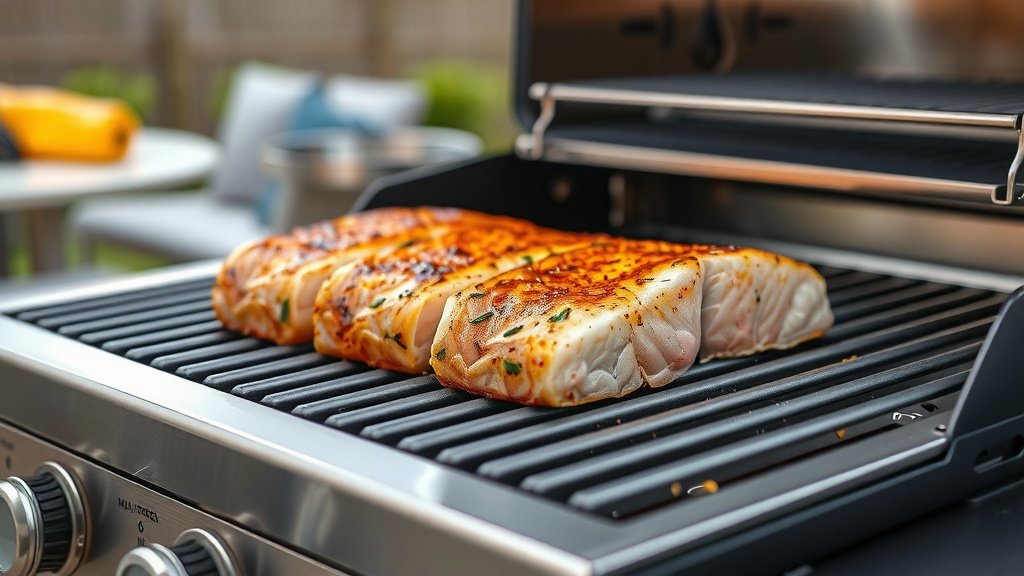
The ideal temperature to smoke salmon on a pellet grill typically ranges from 160°F to 180°F for a slow, flavorful infusion. This lower temperature allows the salmon to absorb maximum smoky goodness without drying out, resulting in a tender, flaky fillet.
Ready for perfectly smoked salmon? Here’s the quick scoop:
- Aim for a grill temperature of 160-180°F for 3-5 hours.
- Always smoke until the internal temperature reaches 145°F.
- Brining your salmon is a game-changer for moisture and flavor.
- Use mild wood pellets like apple or cherry for a delicate smoke.
- Monitoring internal temperature with a probe is your best friend for success.
What Temp To Smoke Salmon On Pellet Grill?
Most grill masters aim for a smoking temperature between 160°F and 180°F to get that perfect smoky flavor and moist texture. This range provides a gentle cook that allows for deep smoke penetration.
Why Low and Slow is the Way to Go
Smoking salmon at lower temperatures prevents it from cooking too quickly. High heat can dry out this delicate fish, leaving you with a rubbery texture. We found that a slower process helps break down fats beautifully.
Think of it like a spa day for your salmon; it’s a relaxing process. This gentle heat helps the fish absorb more smoke, developing a rich, complex flavor profile.
The Sweet Spot for Flavor and Texture
For a truly exceptional fillet, sticking to the 160°F to 180°F zone is key. This temperature range is widely recommended by many grilling experts for a flaky, tender result.
Lower temperatures, specifically closer to 160°F, often yield a more intensely smoky flavor. Moving closer to 180°F might speed up the cook slightly, but still keeps the salmon moist.
Understanding Internal Temperature
While your grill temperature is important, the internal temperature of your salmon is the real indicator of doneness. You are looking for a magic number.
Food safety guidelines suggest cooking fish to an internal temperature of 145°F (USDA). This ensures it’s safe to eat while remaining moist and tender.
Preparing Your Salmon for the Pellet Grill
Before any smoke touches your salmon, preparation makes all the difference. It’s like setting the stage for a great performance.
Brining: A Game Changer
Brining salmon before smoking is not just a suggestion; it’s a strong recommendation. Many experts say it helps retain moisture and adds a foundational layer of flavor.
A simple brine can be a mix of salt, sugar, and water. Some people add herbs or spices for extra zing. Research often connects brining with a more succulent finished product (Culinary Institute of America).
Quick Brine Recipe
- 4 cups cold water
- 1/4 cup kosher salt
- 1/4 cup brown sugar
- Optional: 1 tbsp garlic powder, 1 tsp black pepper
Mix ingredients until salt and sugar dissolve. Submerge salmon fillets for 1-4 hours, depending on thickness. Then, rinse and pat very dry.
Pellicle Formation: Don’t Skip This!
After brining and rinsing, you need to form a pellicle. This is a sticky surface layer on the fish that helps smoke adhere better and locks in moisture.
Simply let your brined and patted-dry salmon sit uncovered in the refrigerator for 2-4 hours. You’ll notice the surface becoming slightly tacky. This step is a small effort for a big reward.
Choosing Your Wood Pellets
The type of wood pellets you use will impact the final flavor profile. Think of it as choosing the right spices for your dish.
Best Wood for Salmon
For salmon, you want a mild, fruity smoke that complements its delicate flavor. Stronger woods can easily overpower the fish.
| Wood Type | Flavor Profile | Recommendation |
|---|---|---|
| Apple | Sweet, mild, fruity | Excellent choice for a classic smoke. |
| Cherry | Slightly sweet, subtle | Adds a beautiful reddish hue and gentle flavor. |
| Alder | Very mild, neutral | Traditional choice, offers a clean smoke. |
| Pecan | Nutty, subtle | Good for a slightly richer, but still delicate smoke. |
The Smoking Process: Step-by-Step
Once your salmon is prepped and your grill is ready, it’s time for the magic to happen. This is where patience pays off.
Setting Up Your Pellet Grill
Load your chosen pellets into the hopper. Set your pellet grill to the desired smoking temperature, typically 160°F to 180°F. Allow it to preheat fully.
Using a good quality grill thermometer helps ensure your grill holds a consistent temperature. Fluctuations can affect the cooking process.
Monitoring Internal Temperature
A reliable meat thermometer is your absolute best tool. Insert the probe into the thickest part of the salmon, making sure it doesn’t touch bone.
Keep an eye on that internal temperature. You’re aiming for 145°F. Once it hits this mark, your salmon is ready to come off the grill.
Approximate Smoking Times
Smoking times vary based on fillet thickness and grill consistency. Generally, a salmon fillet will take 3-5 hours at 160-180°F.
Thicker pieces naturally require more time. Always rely on the internal temperature, not just the clock, for accuracy.
Common Mistakes to Avoid
Even seasoned grillers can sometimes make errors. Learning from these can save your salmon from a less-than-perfect fate.
Overcooking or Undercooking
The biggest mistake is not hitting that 145°F internal temperature. Overcooked salmon becomes dry and tough. Undercooked salmon is, well, undercooked!
This is why an accurate meat thermometer is so important. It removes the guesswork and helps you hit that perfect doneness every time.
Opening the Lid Too Often
Every time you open the lid, you lose heat and smoke. This prolongs the cooking time and can lead to inconsistent results.
Try to keep the lid closed as much as possible. Trust your grill to do its job. Only open it when absolutely necessary, like to check the internal temperature.
Not Drying the Salmon Enough
Remember that pellicle we talked about? If your salmon isn’t patted dry and allowed to form that sticky layer, the smoke won’t adhere well.
This means less smoky flavor and a potentially less appealing texture. Don’t rush the drying process after brining.
Final Checklist for Smoked Salmon Success
Before you begin your next salmon smoking adventure, quickly run through these points:
- Brine your salmon for moisture and flavor.
- Allow a pellicle to form for better smoke adhesion.
- Set your pellet grill to 160°F to 180°F.
- Use a reliable probe to monitor internal temperature to 145°F.
- Choose mild wood pellets like apple or cherry.
- Resist the urge to constantly open the lid.
Conclusion
Smoking salmon on a pellet grill is a rewarding experience when done correctly. By keeping your grill temperature between 160°F and 180°F and consistently monitoring the internal temperature to 145°F, you are well on your way to a delicious result.
Remember, preparation steps like brining and forming a pellicle make a significant impact. With a little patience and the right tools, you can consistently achieve tender, flaky, and perfectly smoky salmon that will impress everyone.
What if my salmon isn’t getting smoky enough?
If your salmon isn’t picking up enough smoke flavor, consider lowering your grill temperature closer to 160°F. This extends the smoking time, allowing more smoke to penetrate the fish. Also, ensure your wood pellets are fresh and producing good, thin blue smoke.
Can I smoke frozen salmon?
No, you should always fully thaw salmon before smoking. Smoking frozen or partially frozen fish can lead to uneven cooking and can also increase the risk of foodborne illness. Thaw it completely in the refrigerator overnight for best results.
How do I prevent my salmon from sticking to the grill grates?
To prevent sticking, make sure your grill grates are clean and well-oiled before placing the salmon. You can also spray the salmon skin lightly with non-stick cooking spray, or place the salmon on a piece of parchment paper or a cedar plank for easier removal.
Is it better to smoke salmon with or without the skin?
Most experts prefer smoking salmon with the skin on. The skin acts as a protective layer, helping the fish retain moisture and preventing it from drying out. Plus, it can make handling the delicate fillet much easier on the grill. You can easily remove the skin after cooking if you prefer.
How do I know if my pellet grill temperature is accurate?
Many pellet grills have built-in thermometers, but these can sometimes be inaccurate. We found that using an external, oven-safe thermometer placed on the grill grate next to your salmon can provide a more precise reading of the actual cooking temperature at the food level. Compare it to your grill’s display to check for discrepancies.