
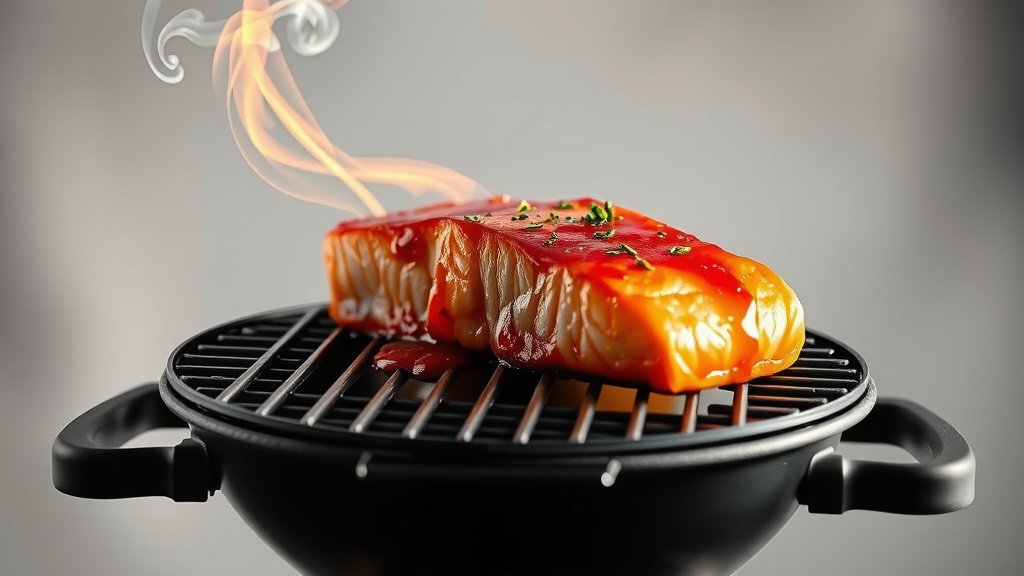
The ideal internal temperature to cook salmon on a pellet grill is 145°F (63°C), as recommended by the USDA, for food safety and delicious flakiness.
For the grill itself, most experts suggest setting your pellet grill between 225°F to 375°F, depending on whether you want a smokier flavor or crispier skin.
- The target internal temperature for salmon is 145°F (63°C).
- Set your pellet grill between 225°F for a smoky result or up to 375°F for a crispier finish.
- Always use a meat thermometer to ensure safe and perfectly cooked salmon.
- The cooking time for salmon on a pellet grill can vary, typically 15-30 minutes, depending on thickness and grill temperature.
- Wood pellet choice greatly impacts flavor; milder woods like alder or apple are often recommended for fish.
What Temp To Cook Salmon On Pellet Grill?
Cooking salmon on a pellet grill is a fantastic way to infuse a delicate smokiness. The perfect internal temperature, according to USDA guidelines, is 145°F (63°C). This ensures your salmon is safe and perfectly flaky.
Why Pellet Grills Are Great for Salmon
Pellet grills offer a unique advantage: precise temperature control combined with real wood smoke. This combination helps you achieve consistently moist and flavorful salmon. You can set it and let the grill do the work.
Many home cooks find pellet grills take the guesswork out of smoking fish. The even heat distribution means fewer hot spots. This leads to a gentle cooking process, ideal for delicate salmon.
Getting Started: Your Pellet Grill Setup
Before you even think about the salmon, prepare your pellet grill. Make sure your hopper has enough pellets. It’s smart to preheat your grill to the desired temperature for about 15-20 minutes. This ensures a stable cooking environment.
Choosing the Best Salmon Fillet
The quality of your salmon makes a big difference. Look for fillets that are bright in color and firm to the touch. A good fillet will have minimal browning or dry spots. Freshness is key for the best taste and texture.
If possible, choose wild-caught salmon, like Sockeye or King. These often have a richer flavor and better texture. If wild-caught is not available, sustainably farmed salmon can be a great option too.
Preparing Your Salmon for the Grill
Pat your salmon fillets completely dry with paper towels. This helps prevent steaming and encourages a nicer crust on the outside. Some experts recommend leaving the skin on for easier handling and added flavor.
Season your salmon simply. Salt, black pepper, and a little olive oil are often enough. You can also add herbs like dill or a squeeze of lemon. Don’t forget to season both sides of the fillet, even the skin.
The Ideal Pellet Grill Temperature Range
When cooking salmon on a pellet grill, you have flexibility with your grill temperature. Most culinary sources suggest a range between 225°F and 375°F. Your choice depends on the final texture you want to achieve.
A lower temperature will give you a deeper smoke flavor. A higher temperature will cook it faster and create a crispier skin. Both methods can lead to delicious results, as long as you monitor the internal temperature.
Low and Slow Smoking for Salmon
For maximum smoky flavor, set your pellet grill to 225°F to 250°F. This lower temperature allows the smoke to penetrate the fish more deeply. It cooks gently, helping keep the salmon moist. This method usually takes longer, around 25-40 minutes.
Higher Heat for Crispier Skin
If you prefer a crispier skin and a quicker cook, aim for 350°F to 375°F. At this temperature, the salmon will cook faster, often in 15-20 minutes. The higher heat helps to render the fat in the skin, making it delightfully crunchy.
Monitoring Internal Temperature: Your Best Friend
The single most important tool for cooking salmon is a reliable meat thermometer. It takes the guesswork out of knowing when your fish is done. Always aim for an internal temperature of 145°F (63°C).
Insert the thermometer into the thickest part of the fillet. Make sure it doesn’t touch the skin or any bones. This gives you the most accurate reading for doneness.
How to Check Salmon Doneness
Beyond temperature, you can also check for visual cues. Cooked salmon will look opaque throughout. It should also flake easily with a fork. If it resists flaking, it needs more time on the grill.
Pellet Grill Salmon Cook Times
Cooking times for salmon vary based on thickness and grill temperature. Here’s a general guide for a 1-inch thick fillet:
| Grill Temperature | Approximate Cook Time | Internal Temperature |
|---|---|---|
| 225°F – 250°F | 25-40 minutes | 145°F (63°C) |
| 350°F – 375°F | 15-20 minutes | 145°F (63°C) |
Always remember these are estimates. Your thermometer is the most reliable indicator of doneness. Every piece of salmon is a little different.
Flavor Boost: Wood Pellet Choices
The type of wood pellets you use will impact the final flavor of your salmon. Some woods are too strong for delicate fish. Many experts say that milder, fruitier woods are best for salmon.
- Alder: A classic choice for fish, offering a light, sweet, and balanced smoke.
- Apple: Sweet and mild, it pairs wonderfully with salmon without overpowering it.
- Cherry: Gives a slightly sweeter smoke and a beautiful reddish hue to the fish.
- Pecan: A subtle, nutty flavor that complements salmon well.
Avoid strong woods like mesquite or hickory for salmon. These can easily make your fish taste bitter or overly smoky. Stick to the lighter, more delicate options.
Troubleshooting Common Salmon Grilling Issues
What if your salmon sticks to the grates? This is a common frustration. Make sure your grill grates are clean and well-oiled before placing the fish. You can also use a grill mat or cedar plank for easy removal.
If your salmon is drying out, you might be cooking it too long or at too high a temperature. Use your thermometer diligently. Also, consider adding a water pan to your grill for extra moisture, especially at lower temps.
Resting Your Cooked Salmon
Just like with other meats, letting your salmon rest briefly after cooking is beneficial. Remove it from the grill and tent it loosely with foil for 5-10 minutes. This allows the juices to redistribute, resulting in a more tender fillet.
Safety First: Food Handling Tips
Always practice good food safety when handling fish. Wash your hands thoroughly before and after handling raw salmon. Use separate cutting boards and utensils for raw fish. This helps prevent cross-contamination (CDC).
Make sure your salmon reaches 145°F (63°C) internal temperature to kill any harmful bacteria. Refrigerate leftovers promptly within two hours of cooking. These simple steps keep you and your guests safe.
Conclusion
Cooking salmon on a pellet grill is a rewarding experience, offering both flavor and convenience. The key takeaway is to always cook your salmon to an internal temperature of 145°F (63°C). Whether you choose a lower temperature for deep smoke or a higher heat for a crispy finish, your thermometer is your most important tool.
Experiment with different wood pellets and seasonings to find your favorite combination. With a little preparation and careful monitoring, you’ll be enjoying perfectly cooked, smoky salmon every time. Happy grilling!
What is the best type of salmon to grill on a pellet grill?
Many chefs prefer fattier salmon varieties like King (Chinook) or Atlantic salmon for grilling. Their higher fat content helps keep them moist and flavorful on the grill. Sockeye salmon is also a great choice but can dry out a bit quicker due to being leaner, so careful temperature monitoring is key.
Should I cook salmon with the skin on or off?
Most grill masters recommend cooking salmon with the skin on. The skin acts as a protective layer, helping the fillet stay together and keeping the flesh moist. It also allows for easier flipping and often crisps up beautifully, adding a desirable texture. You can always remove it after cooking if you prefer.
Do I need to flip salmon when cooking on a pellet grill?
For even cooking and a nice crust, it’s generally a good idea to flip salmon once during the cooking process. However, some people prefer not to flip, especially if cooking skin-side down the entire time, to achieve a super crispy skin. If you do flip, do so gently halfway through the cook time.
Can I marinate salmon before putting it on the pellet grill?
Yes, marinating salmon can add another layer of flavor and help keep it moist. Use marinades with ingredients like soy sauce, citrus juice, olive oil, and herbs. However, avoid highly acidic marinades for too long, as they can start to “cook” or break down the delicate fish if left for more than 30 minutes to an hour.
What are some common mistakes to avoid when pellet grilling salmon?
A common mistake is overcooking, which leads to dry, tough salmon. Always use a thermometer. Another error is not preheating the grill enough, causing the salmon to stick. Forgetting to pat the salmon dry can also lead to a less desirable texture. Lastly, using very strong wood pellets can overpower the fish’s natural taste.
