
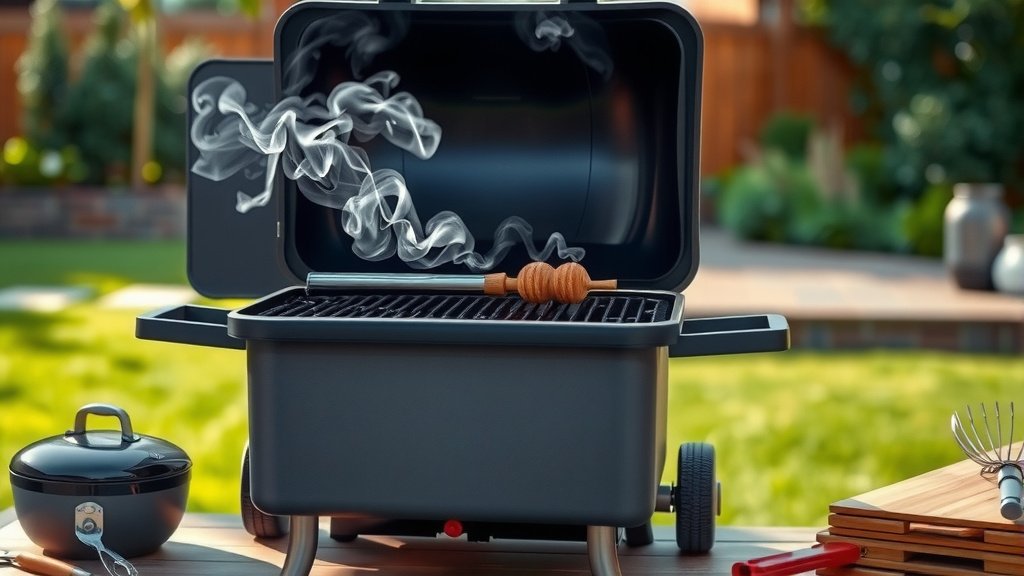
To use a smoker grill, you first prepare your meat, season it, and then set up the smoker with your chosen wood for flavor and maintain a consistent low temperature for hours.
You use a smoker grill by carefully managing heat and smoke, allowing food to cook slowly until tender and infused with a delicious smoky taste.
- Smoking meat involves low, slow cooking with wood smoke for flavor.
- You’ll need to choose your smoker type and the right wood.
- Temperature control is key for tender, juicy results.
- Always prepare your meat, apply a rub, and monitor it closely.
- Enjoying the process and the delicious outcome is the real reward.
How Do You Use A Smoker Grill?
Using a smoker grill means cooking food indirectly at low temperatures with smoke from wood chips or chunks. This method tenderizes meat and gives it a deep, smoky flavor over several hours.
Why Smoke Your Food?
Smoking transforms ordinary cuts of meat into something extraordinary. Have you ever tasted brisket so tender it falls apart, or ribs with that perfect bark? That is the magic of smoking.
The Magic of Low and Slow
The “low and slow” method breaks down tough meat fibers gently. This process also allows time for the smoke to penetrate deeply, creating complex flavors you cannot get from grilling alone (USDA).
Choosing Your Smoker Grill
Before you even think about lighting a fire, you need the right tool. What kind of smoker grill suits your style? Each type offers a unique experience for your backyard cooking.
Different Smoker Types
There are several popular types of smoker grills. Each one has its own quirks and benefits, fitting different budgets and skill levels. Let’s look at a few common ones.
Electric Smokers: Easy Does It
Electric smokers are perfect for beginners. You just plug them in, set the temperature, and add wood chips. They offer a consistent heat source with very little fuss.
Propane Smokers: Consistent Heat
Propane smokers use gas to maintain heat, making temperature control quite simple. They are great for backyard cooks who want more smoke flavor than electric models without the complexity of charcoal.
Charcoal Smokers: Classic Flavor
Many experts say that charcoal smokers offer the most authentic smoke flavor. While they require more attention to temperature, the taste is often considered unbeatable by purists.
Pellet Grills: Set It and Forget It
Pellet grills are very versatile, acting as both smokers and grills. They use wood pellets and a digital controller to maintain precise temperatures, making them almost as easy as an oven.
Essential Smoker Setup Steps
Once you have your smoker, setting it up correctly is the next big step. This preparation ensures you get a great smoke ring and fantastic flavor every time.
Picking Your Wood
The type of wood you use dramatically impacts your food’s flavor. Different woods offer different intensities and aromas. We found that fruitwoods like apple or cherry are milder.
Hickory and mesquite, on the other hand, provide a much stronger, bolder smoke. Choose wisely to match your meat and desired taste profile.
Wood Chip vs. Chunk
Wood chips burn faster and are good for shorter cooks or electric smokers. Wood chunks burn slower and longer, making them ideal for long smoking sessions in charcoal or offset smokers.
Preparing Your Meat
Before any heat hits your meat, it needs a little love. This preparation step is where you can build a flavor foundation. Don’t skip it, as it makes a difference.
The Art of Seasoning
Seasoning, often called a “rub,” adds a flavorful crust. Apply your favorite rub generously, ensuring all surfaces are covered. Many guidelines point to patting it dry first (Cook’s Illustrated).
Mastering the Smoker Temperature
Temperature control is the absolute core of successful smoking. Too hot, and your meat dries out. Too cool, and it might not cook safely or develop that desired bark. Aim for a consistent temperature range.
Holding a Steady Heat
Most smoking happens between 225°F and 275°F. Achieving this consistency takes practice. We found that using a water pan inside the smoker helps stabilize temperatures and adds moisture.
Understanding Different Zones
Your smoker might have hot spots and cooler zones. Learning these areas helps you manage the cook. Rotate your meat for an even smoke and cook.
The Smoking Process: What to Expect
Smoking takes time, so patience is a virtue here. The aroma alone is often worth the wait. Keep an eye on your meat, but try not to open the lid too often; you’ll lose heat and smoke. This is called the “look but don’t touch” phase.
Monitoring Your Cook
An accurate meat thermometer is your best friend. Monitor the internal temperature of your meat, not just the smoker’s ambient temperature. Research often connects safe internal temperatures with food safety (FDA).
When to Add More Wood
Only add wood when you see the smoke thinning out. Too much new wood can create a bitter, acrid taste. Aim for a “thin blue smoke,” which indicates clean combustion and good flavor.
Resting Your Meat
Once cooked, let your meat rest. This allows the juices to redistribute throughout the meat, resulting in a more tender and flavorful bite. Many experts say to rest for at least 30 minutes, or even longer for larger cuts.
Common Smoker Grill Mistakes to Avoid
- Opening the lid too often, which drops the temperature.
- Using too much wood, leading to bitter-tasting food.
- Not using a reliable meat thermometer for safety.
- Forgetting to allow meat to rest after cooking.
- Rushing the process; good BBQ takes time and patience.
A Quick Smoker Grill Troubleshooting Guide
| Problem | Possible Cause | Simple Solution |
|---|---|---|
| Temperature Too High | Too much fuel, vents too open | Close vents slightly, reduce fuel |
| Temperature Too Low | Not enough fuel, vents too closed | Add fuel, open vents more |
| Bitter Taste | “Dirty” smoke, too much wood | Ensure thin blue smoke, use less wood |
| Dry Meat | Overcooked, not enough moisture | Monitor internal temp, use water pan |
| No Smoke Ring | Smoker temp too high, no reaction | Aim for 225-275°F range, ensure good smoke |
Conclusion
Using a smoker grill is a rewarding journey, combining science and art to create truly delicious food. By understanding your equipment, controlling temperature, and managing smoke, you’ll produce mouth-watering results every time. Remember, practice makes perfect, so don’t be afraid to try new things and enjoy the process.
How long does it take to smoke ribs on a smoker grill?
Smoking ribs typically takes about 5 to 6 hours for baby back ribs and 6 to 8 hours for spare ribs at a constant temperature around 225-250°F. This can vary based on rib thickness and specific smoker conditions.
Can you put charcoal directly on a smoker grill?
For most dedicated smoker grills, you should not place charcoal directly under the food like a regular grill. Smokers use an indirect heat method, so charcoal goes in a separate firebox or designated area to create heat and smoke away from the food.
What is the best wood for smoking chicken?
For smoking chicken, milder fruitwoods like apple, cherry, or pecan are excellent choices. They impart a subtle, sweet, and fruity flavor that complements poultry without overpowering it. Many people also enjoy hickory for a slightly stronger taste.
Do you need to soak wood chips before smoking?
Many people used to soak wood chips, but current research suggests it is often unnecessary and can even hinder good smoke production. Soaking chips primarily produces steam, not smoke, and can cool your fire. Dry chips produce a cleaner, more consistent smoke.
How do I clean my smoker grill after use?
After each use, clean the grates with a wire brush while still warm. Periodically, scrape out ash from the firebox and grease from the drip pan. For a deeper clean, remove grates and internal components to wash them, and wipe down the interior walls to reduce creosote buildup.
