
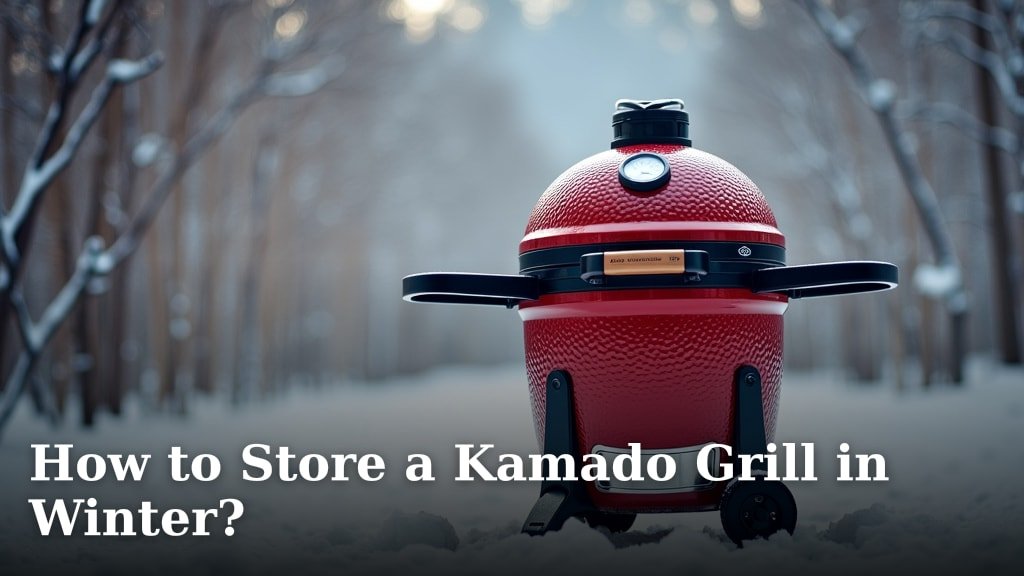
Storing your kamado grill for winter is simpler than you might think. The key is to **protect it from moisture and extreme temperatures** to ensure it lasts for many grilling seasons to come. Following a few key steps will **keep your kamado in top shape** all winter long. Our guide on how to store a grill in winter offers more general tips.
Leaving your kamado grill exposed to snow, ice, and fluctuating temperatures can lead to **corrosion and material degradation**. Protecting the ceramic, seals, and metal components is essential for its longevity. Many grill owners find that a simple cover and a dry storage spot make all the difference.
- Clean your kamado thoroughly.
- Remove ash and debris.
- Protect the ceramic and seals.
- Cover your grill.
- Store in a dry location.
Let’s walk through exactly how to prepare your kamado grill for its winter slumber, step by step.
Winterizing Your Kamado Grill for Storage
Properly storing your kamado grill in the winter is key to its longevity. You want to protect its ceramic body and metal components from harsh weather. This guide will help you get your kamado ready for its long winter nap. We’ll cover cleaning, covering, and the best places to keep it safe.
Step 1: Deep Cleaning Your Kamado Grill
Before you think about covering anything up, your kamado needs a thorough cleaning. This is more than just a quick wipe-down. You’re aiming to remove all residues that could cause problems over the winter. Think of it like tucking your grill into bed with clean pajamas.
Removing Ash and Debris
The very first thing you should do is empty the ash catcher. Accumulated ash can absorb moisture, leading to corrosion. A damp ash pan can also become a breeding ground for mold. Use a shop vac or a stiff brush to get every last bit out. Make sure the ash is completely cool before you attempt this step. Nobody wants a surprise ember! If you use lump charcoal, store it separately in a dry place.
Cleaning the Interior
Next, tackle the inside of your kamado. Scrape down the firebox and the interior ceramic walls. You can use a grill brush or a plastic scraper for this. Once loose, brush the debris into the ash catcher for easy removal. Pay attention to any caked-on food particles or grease. These can become very difficult to remove after sitting all winter.
Wiping Down the Exterior
Now, let’s move to the outside. Use a damp cloth to wipe down the ceramic exterior. For tougher grime, a mild soap solution can work wonders. Rinse the cloth and wipe again to remove any soap residue. This prevents any acidic or greasy spots from potentially etching the ceramic over time.
Checking and Cleaning the Gasket
The felt gasket around your kamado is important for maintaining temperature. Make sure it’s clean and free of debris. If it looks worn or damaged, this is a good time to consider replacing it before storage. A damaged gasket won’t seal properly, which can lead to heat loss even when you start grilling again in the spring.
Protecting the Ceramic and Metal Components
Kamado grills are built tough, but certain parts need extra care. Protecting these elements ensures your grill will perform as expected for years to come. We need to shield them from the elements.
Inspecting for Cracks or Damage
While cleaning, take a close look at the ceramic. Check for any hairline cracks or chips. Small cracks can sometimes be repaired, but larger ones might be a sign of more serious damage. Ignoring them could lead to bigger problems later. Research from ceramic manufacturers often suggests that temperature fluctuations can worsen existing micro-fractures.
Lubricating Metal Parts
Metal components, like the grill grate, hinges, and thermometer, can rust. A light coating of food-grade mineral oil can help prevent this. Apply it sparingly to metal parts with a clean cloth. This creates a protective barrier against moisture. Be sure to wipe away any excess oil.
The Importance of Seals
Don’t forget the seals! The gasket between the lid and the base is critical. Ensure it’s clean and firmly attached. If it’s peeling or frayed, consider replacing it. Some owners use a light spray of a silicone-based protectant on metal hinges and fasteners to prevent rust. Always ensure any product used is safe for high-heat applications, though you’ll be removing it before the next cook.
The Best Way to Cover Your Kamado Grill
A good cover is your grill’s first line of defense against winter’s wrath. But not all covers are created equal. You want something that offers both protection and breathability.
Choosing the Right Grill Cover
Look for a cover made from durable, weather-resistant material. Many manufacturers offer custom-fit covers for specific kamado models. These usually provide the best protection. A cover that’s too tight might not allow for air circulation. One that’s too loose can let in wind and moisture. The ideal cover should fit snugly but allow some air to pass through.
Consider covers with ventilation panels. These help prevent condensation buildup inside the grill, which can lead to mold or mildew. Some covers are also UV-resistant, which is good if your storage location still gets some sun exposure. A waterproof rating is also a huge plus. We found that heavy-duty polyester with a PVC coating often offers excellent protection.
Ensuring Proper Coverage
Once you have your cover, make sure it’s secured properly. Fasten any buckles or drawstrings to keep it from blowing off. If your cover doesn’t have these features, you might need to weigh it down with something heavy. A completely sealed environment without airflow can trap moisture. We recommend a cover that protects from top to bottom but allows for some air exchange.
Selecting the Ideal Storage Location
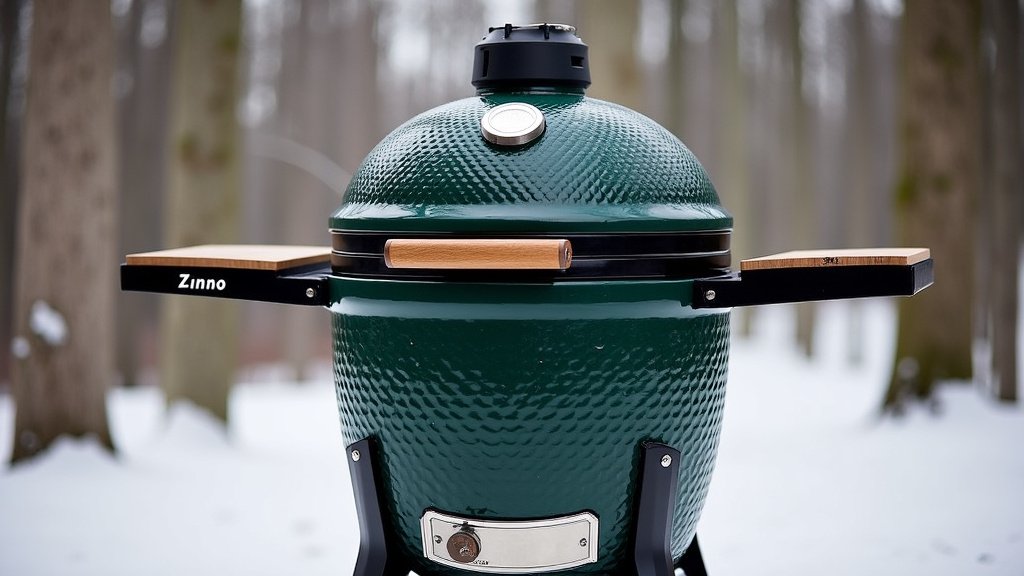
Where you store your kamado grill is just as important as how you prepare it. The goal is to keep it dry and out of the elements. Think of it as finding a cozy, safe hibernation spot.
Garage or Shed Storage
A garage or shed is often the best place for winter storage. These locations protect your grill from rain, snow, ice, and direct sunlight. Ensure the space is dry. If your shed or garage tends to be damp, consider placing a dehumidifier nearby or using moisture-absorbing packets inside the grill.
Under an Eave or Awning
If indoor storage isn’t an option, find the most protected spot outdoors. Storing your kamado under a sturdy eave or a well-built awning offers some protection. You’ll still need a high-quality, waterproof cover. Make sure the area has good drainage so water doesn’t pool around the grill.
Elevating the Grill
To further protect against ground moisture and pests, consider elevating the grill slightly. Placing it on a couple of wooden blocks or sturdy plastic pallets can help. This ensures air can circulate underneath and keeps it away from potential puddles. This simple step can make a big difference in preventing rust on the base.
A Quick Winter Prep Checklist
Here’s a handy checklist to make sure you haven’t missed a single step:
- Completely cool and empty ash catcher.
- Clean interior and exterior surfaces.
- Inspect ceramic for damage.
- Lubricate metal parts.
- Apply a high-quality, weather-resistant cover.
- Secure the cover tightly.
- Choose a dry, protected storage location.
What to Avoid During Winter Storage
Just as important as knowing what to do is knowing what not to do. A few common mistakes can undo all your hard work.
Leaving Fuel Inside
Never store your kamado with lump charcoal or other fuel inside. Charcoal can absorb moisture, expand, and potentially crack the firebox. It’s also a fire hazard if accidentally lit. Remove all fuel and store it separately in a dry place.
Storing in Direct Sunlight or Rain
Even with a cover, prolonged exposure to direct sun can degrade the cover material and the grill’s components. Rain and snow can find their way under ill-fitting covers. Always aim for a completely sheltered spot. Many experts recommend that even covered grills benefit from being out of the direct path of precipitation (National Weather Service).
Ignoring the Gasket
A damaged or dirty gasket will not create a proper seal. This can lead to temperature inconsistencies when you restart your grilling season. It might also allow moisture to seep into the ceramic. Take the time to clean or replace it if needed.
Relying on a Cheap Cover
A flimsy tarp isn’t enough. Invest in a cover specifically designed for outdoor grills. A quality cover is an investment in your grill’s future. We found that covers with thicker denier fabric tend to last longer and offer better protection.
Storing on Wet Ground
Never place your grill directly on grass or bare soil. Ground moisture can easily wick up into the grill’s base, causing potential damage and rust. Always ensure there’s a barrier between the grill and the ground.
Forget About It!
Don’t just cover it and forget it until spring. Periodically check on your grill, especially after heavy storms. Make sure the cover is still secure and that no water has accumulated. A little check-in can save you a lot of trouble.
Conclusion
Properly winterizing your kamado grill is an investment in its future. By taking these simple steps – thorough cleaning, protecting the ceramic and metal, using a quality cover, and finding a dry storage spot – you’re safeguarding your grill from the harsh winter elements. This preparation ensures your kamado will be ready to fire up and create delicious meals for many grilling seasons ahead. So, take a little time now to protect your investment, and you’ll thank yourself come spring!
Frequently Asked Questions
Can I just throw a tarp over my kamado grill for winter?
While a tarp offers some protection, it’s generally not the best solution for long-term winter storage. Tarps can trap moisture, leading to condensation and potential damage. Investing in a high-quality, breathable grill cover designed for outdoor use will provide superior protection against the elements.
How often should I check on my kamado grill during winter storage?
It’s a good idea to check on your grill periodically, especially after significant weather events like heavy snow or strong winds. Ensure the cover remains secure and check for any signs of moisture accumulation. A quick visual inspection every few weeks can prevent bigger issues.
What’s the best way to store lump charcoal over winter?
You should always remove lump charcoal before storing your kamado grill. Store charcoal in a dry, airtight container, like a plastic bin or a sturdy bag. This prevents it from absorbing moisture, which can lead to expansion and cracking of the firebox, and keeps it ready for your first spring cookout.
Do I need to remove the grill grates for winter storage?
It’s a good practice to remove and clean your grill grates thoroughly before winter storage. Once clean, you can lightly coat them with food-grade mineral oil to prevent rust. Storing them separately inside your garage or shed will keep them protected and in top condition.
Is it okay to store my kamado grill outdoors in winter if it’s well-covered?
Storing your kamado grill outdoors is acceptable if you can provide adequate protection. This means using a high-quality, waterproof cover and selecting a spot that offers some overhead shelter, like under an eave or awning. Elevating the grill slightly off the ground also helps protect against moisture and pests.
