To grill steak on a gas grill, preheat one side to high heat (500-550°F) for searing and the other side to medium-low (300-350°F) for indirect cooking. Sear the steak for 2-3 minutes per side, then move it to the cooler zone to finish cooking until it reaches your desired internal temperature, using a meat thermometer.
This method ensures a beautiful, flavorful crust while allowing the inside of your steak to cook evenly to perfection on a gas grill.
TL;DR:
- Preheat your gas grill for two-zone cooking: one hot, one cooler.
- Season your steak well and let it come closer to room temperature.
- Sear the steak over direct high heat for a few minutes per side.
- Move the steak to the indirect heat zone to finish cooking gently.
- Always use a meat thermometer to check for doneness.
- Let your steak rest before slicing to keep it juicy.
How To Grill Steak On Gas?
Grilling steak on a gas grill is simpler than you might think. You just need to master temperature control and timing for a perfectly cooked, juicy steak every time.
Why Gas Grills Are Great for Steak
Gas grills offer fantastic control, which is a huge benefit when you’re cooking steak. You can easily adjust the heat, creating different temperature zones across the grates. This flexibility makes it possible to get a great sear and still cook the inside of your steak evenly. Many experts say this control is key to consistent results (Food Network Kitchens).
Choosing the Right Steak
The journey to a perfect grilled steak begins at the butcher counter. You want a cut with good marbling, which means those little flecks of fat within the meat. Marbling melts as it cooks, keeping your steak tender and full of flavor. Ribeye, New York strip, and sirloin are always great choices for the grill.
Steak Thickness Matters
A steak that’s at least one inch thick is ideal for grilling. Thicker steaks give you more wiggle room to get a nice crust without overcooking the inside. If your steak is too thin, it cooks quickly, making it hard to achieve that perfect medium-rare or medium finish.
Essential Tools You’ll Need
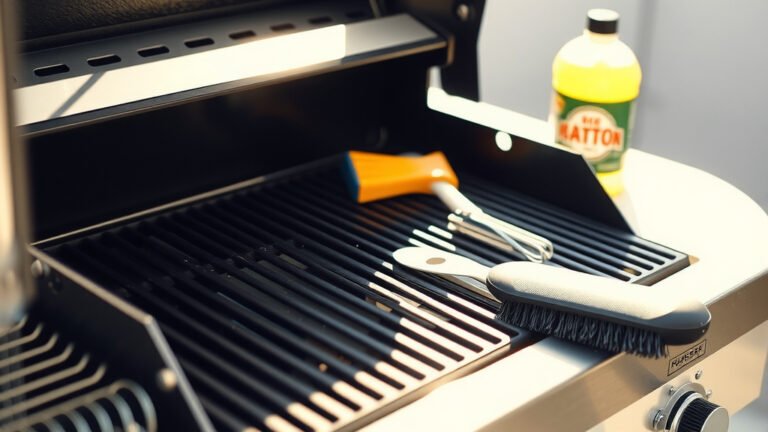
Before you even think about lighting the grill, gather your tools. A good pair of long-handled tongs, a reliable instant-read meat thermometer, and a grill brush are non-negotiable. Don’t forget a sturdy cutting board and aluminum foil for resting your steak later. Having everything ready means you won’t be scrambling mid-grill. We found that preparation helps prevent stress in the kitchen and at the grill.
Preparing Your Steak for the Grill
Proper preparation is half the battle when grilling steak. It’s not just about what you do on the grill, but what happens beforehand. These steps make a big difference in the final taste and texture of your meal. We always remind grillers that patience leads to perfection.
The Importance of Seasoning
Salt and pepper are your steak’s best friends. Don’t be shy! Generously season both sides of your steak. Some people like to add garlic powder, onion powder, or a dash of paprika, but the basics are often enough. Research shows that salting 40 minutes before cooking allows the salt to draw out moisture and then reabsorb, leading to a more flavorful crust (Cook’s Illustrated).
Bringing Steak to Room Temperature
This might seem like a small detail, but it’s important. Take your steak out of the fridge about 30 minutes before grilling. A cold steak hitting a hot grill will cook unevenly, leaving the outside charred and the inside too rare. Allowing it to warm slightly helps it cook more uniformly, ensuring a consistent doneness throughout.
Mastering Gas Grill Temperatures
Think of your gas grill as having different cooking zones. This is where the magic happens for steak. Learning to control these zones is a skill that will elevate your grilling game dramatically. Many experts agree this two-zone method is the secret.
The Two-Zone Grilling Method
This method is simple yet brilliant. Turn one side of your gas grill to high heat (your searing zone) and the other side to medium-low or off (your indirect cooking zone). You want the searing side to be blazing hot, around 500-550°F. The cooler side should be around 300-350°F. This setup lets you create that beautiful crust without burning the inside. It’s like having two ovens at different temperatures. We found this technique to be the most effective for steak grilling.
- Clean your grill grates thoroughly before preheating.
- Turn burners on one side to high, and the other side to medium-low.
- Close the lid and allow the grill to preheat for at least 10-15 minutes.
- Use a grill thermometer to confirm your two distinct temperature zones.
- Lightly oil your hot grill grates just before placing the steak.
The Grilling Process: Step-by-Step
You’ve prepped your steak and preheated your grill. Now for the fun part: cooking! Follow these steps closely for a steak that will impress everyone, including yourself. Remember, grilling is an art, but it also follows clear guidelines.
Searing for that Perfect Crust
Place your seasoned steak directly over the high-heat zone. Close the lid for a minute or two to build heat. Sear for 2-3 minutes per side. You’re looking for a deep, rich brown crust. This step develops incredible flavor through something called the Maillard reaction. Don’t peek too often; let that crust form! This initial sear is vital for texture and taste.
Finishing with Indirect Heat
Once both sides are nicely seared, move the steak to the cooler, indirect heat zone. Close the lid and let it cook there. This allows the steak to finish cooking gently and evenly to your desired doneness. This is where your meat thermometer becomes your best friend. Many experts recommend this method to prevent burning and ensure even internal cooking.
Check the internal temperature regularly. Here’s a quick guide:
| Doneness | Internal Temperature | Notes |
|---|---|---|
| Rare | 125-130°F (52-54°C) | Cool red center |
| Medium-Rare | 130-135°F (54-57°C) | Warm red center (ideal for most) |
| Medium | 135-140°F (57-60°C) | Warm pink center |
| Medium-Well | 140-145°F (60-63°C) | Slightly pink center |
| Well-Done | 150°F+ (66°C+) | Little to no pink |
Remember, your steak’s temperature will rise a few degrees while resting (USDA Food Safety).
Resting Your Steak
Once your steak hits the target temperature, remove it from the grill and place it on a clean cutting board. Tent it loosely with aluminum foil and let it rest for 5-10 minutes. This resting period allows the juices to redistribute throughout the meat, preventing them from spilling out when you slice. Cutting too soon means a dryer, less flavorful steak. It’s a small wait for a big reward.
Common Grilling Mistakes to Avoid
Even seasoned grill masters can make mistakes. Knowing what pitfalls to avoid can save your steak from a less-than-perfect fate. We found these common errors are easily fixable. Are you making any of these? Let’s check!
- Not preheating enough: Cold grates mean no sear, just steaming.
- Flipping too often: Let the crust form before you flip.
- Cutting too soon: Patience, friend, for those juicy results.
- Not using a thermometer: Guessing doneness is a gamble.
- Overcrowding the grill: Steaks need space to cook evenly.
Conclusion
Grilling steak on a gas grill is a skill anyone can master with a little practice and the right approach. By understanding two-zone cooking, proper seasoning, and the importance of resting, you’re well on your way to consistently delicious results. Remember, the goal is a beautiful crust, a juicy interior, and a steak cooked to your preference. So, fire up that grill, grab your tongs, and enjoy the process of creating a truly fantastic meal. You’ve got this! We hope you feel more confident about your next steak adventure.
How do I know when my gas grill is hot enough for steak?
You’ll know your gas grill is hot enough when the grates are very hot, typically around 500-550°F for direct searing. Close the lid for 10-15 minutes after turning on the high burners. You can often see a slight shimmer above the grates, and placing your hand (carefully!) about 5 inches above the grates will feel intensely hot after a couple of seconds.
Should I oil the steak or the grill grates?
It’s generally better to oil the grill grates rather than the steak itself. Lightly coat a paper towel with high-smoke-point oil (like canola or grapeseed) and use tongs to rub it over the hot grates just before placing your steak. This prevents sticking and helps create a better sear without the oil potentially burning on the steak.
Can I achieve grill marks on a gas grill?
Absolutely! To achieve beautiful grill marks, ensure your direct heat zone is very hot. Place your steak at a 45-degree angle to the grates. After about 1-1.5 minutes, rotate the steak 90 degrees (without flipping) to create a crosshatch pattern. Then, flip the steak and repeat on the other side before moving to indirect heat.
What kind of internal thermometer should I use for steak?
An instant-read digital meat thermometer is your best friend for grilling steak. They are fast, accurate, and easy to use. Simply insert the probe into the thickest part of the steak, avoiding any bones, for a quick reading. This tool removes all the guesswork from checking doneness.
My steak often sticks to the grill; what am I doing wrong?
Steak sticking to the grill usually means your grill grates weren’t hot enough, or they weren’t clean or oiled properly. Ensure your grill is fully preheated, clean any residue from previous cooks, and lightly oil the hot grates right before adding the steak. A good sear will naturally release the steak from the grates.