
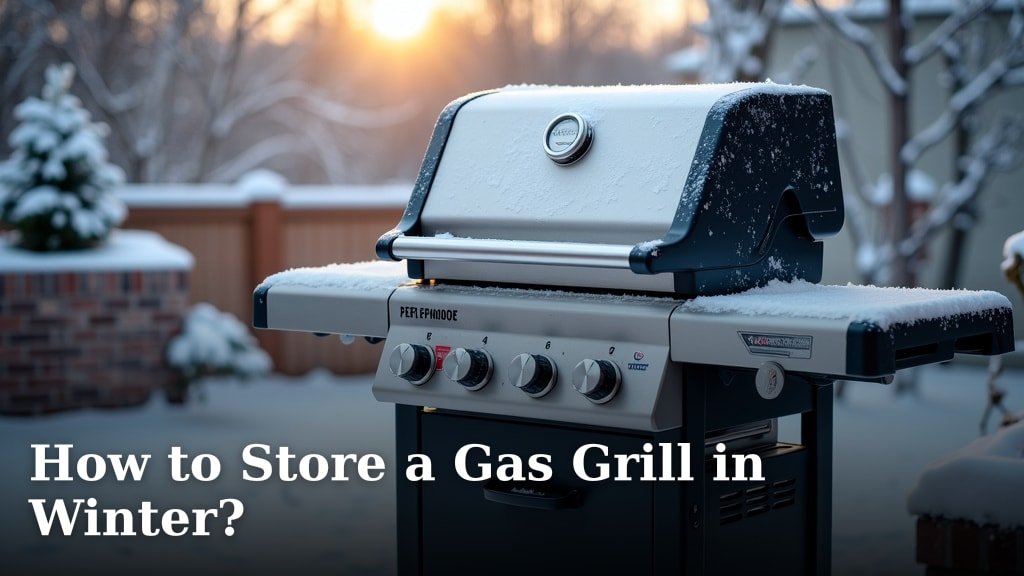
Storing your gas grill for the winter is a smart move to protect it from the elements. Properly storing your grill ensures it lasts longer and is ready to go when spring arrives. You’ll want to focus on cleaning and protecting it from moisture and critters.
Taking a little time now can save you a lot of hassle later. Many grill owners find that a little preparation prevents major issues. This includes disconnecting the propane and covering the grill thoroughly. Thinking about where you’ll store it is also key.
- Clean your grill thoroughly.
- Disconnect and store the propane tank separately.
- Cover your grill completely.
- Choose a dry storage location.
- Consider pest prevention.
Below, we’ll walk you through the best way to store your gas grill for winter so it’s in great shape next season.
Getting Your Gas Grill Ready for Winter Storage
Storing your gas grill properly before winter hits is super important. It keeps it safe from snow, ice, and rust. This simple prep work ensures your grill is ready to fire up for your first cookout of the spring. You don’t want to pull it out next year and find it’s seen better days, right?
Step 1: Give It a Deep Clean
Before anything else, your grill needs a really good cleaning. Think of it like putting away your winter coat after a long season. You wouldn’t just toss it in the closet. You’d clean it first. Your grill deserves the same treatment.
Cleaning the Grates
Start with the cooking grates. These are usually the dirtiest part. Scrape off any burnt-on food bits with a stiff wire brush. Then, wash them with warm, soapy water. Rinse them thoroughly and make sure they are completely dry before you put them back or store them. You can even give them a light coat of cooking oil to prevent rust.
Cleaning the Burners and Interior
Next, clean the interior of your grill. Remove the grates and heat shields. Brush away any debris, grease, or ash from the bottom of the grill. Check the burner tubes for any clogs from insects or debris. Use a small, flexible brush or a straightened coat hanger to gently clear out any blockages. A clean grill prevents pests from being attracted to it.
Cleaning the Exterior
Don’t forget the outside! Wipe down the lid, side tables, and control panel. Use a mild soap and water solution. For stainless steel, a specialized cleaner can make it shine. Make sure the exterior is also completely dry. Moisture is the enemy of metal during winter. Cleaning everything now means less work later.
Step 2: Disconnect and Store the Propane Tank Safely
This is a critical safety step. You absolutely must disconnect the propane tank. Never store a grill with the propane tank attached. The tank itself needs to be stored properly, too.
Disconnecting the Tank
First, turn off the gas at the grill’s control knobs. Then, turn the valve on the propane tank itself to the right (clockwise) until it stops. This ensures the gas flow is completely shut off. Once it’s off, carefully unscrew the regulator hose from the tank valve. It might be a bit stiff, but it should come off with steady pressure.
Storing the Propane Tank
Propane tanks should always be stored upright. Find a location that is cool, dry, and well-ventilated. An outdoor shed or a detached garage is ideal. Never store a propane tank indoors, in a basement, or near any ignition sources. This is a safety guideline recommended by many fire departments. Keeping the tank upright helps prevent leaks. Consider putting a plastic cap on the tank valve if you have one.
Step 3: Protect Your Grill from the Elements
Once your grill is clean and the tank is disconnected, it’s time to protect the grill itself. The goal is to create a barrier against moisture, dust, and critters.
Using a Grill Cover
A good quality, heavy-duty grill cover is your best friend. Make sure it’s waterproof or at least water-resistant. It should fit your grill snugly to prevent wind from getting underneath and lifting it. Look for a cover that also has UV protection. This helps prevent the cover from cracking or fading over time. Ensure the cover is fully secured before you leave it.
Consider Additional Protection
For extra protection, especially if you live in an area with harsh winters, you might want to do more. Some people wrap their grills in heavy-duty plastic sheeting after putting on the cover. Secure this with bungee cords or strong tape. This adds another layer against rain and snow. Just be sure not to trap moisture inside. You want to keep the grill dry.
Step 4: Choose the Right Storage Location
Where you store your grill makes a big difference. The ideal spot will keep it out of the worst of the weather.
Ideal Storage Spots
The best place for your gas grill is a dry, covered area. This could be:
- A detached garage
- A sturdy shed
- Under a covered patio or porch
What to Avoid
Try to avoid storing your grill directly on the ground. This can lead to moisture seeping into the grill’s components. Also, steer clear of areas that might flood. If you don’t have a garage or shed, a very well-covered patio is your next best option. Just make sure it’s not exposed to blowing snow or rain. Think about what the weather does in your area. The goal is to keep it as dry and protected as possible.
Step 5: Prevent Pesky Pests
Winter isn’t just cold; it’s also when critters look for cozy places to hide. Your grill, with its leftover food smells and nooks, can be a tempting spot for them.
A Clean Grill is a Less Appealing Grill
As we mentioned, a thorough cleaning is the first line of defense. Remove all food debris, grease, and spills. Pests are attracted to food sources. The less your grill smells like dinner, the less likely they are to investigate. This is a tip many grill manufacturers and outdoor living experts recommend. A clean grill is less interesting to mice and insects.
Sealing Off Entry Points
Once the grill is clean and covered, think about any openings. Some grills have vents or openings where small animals could get in. You can lightly stuff steel wool into any burner tube openings. This is a good way to keep insects and spiders out. Make sure to remove the steel wool before your next cookout, of course! It’s a temporary fix for the off-season.
Using Deterrents
You might also consider using pest deterrents around the storage area. Place mothballs or peppermint oil-soaked cotton balls nearby. These natural repellents can help keep rodents away. Just don’t place them directly on or inside the grill itself. Keep them in a small container or sachet. This simple step can prevent a lot of unpleasant discoveries in the spring.
Final Checklist: Quick Winter Prep
Here’s a quick rundown to make sure you haven’t missed anything:
- Scrub grates and interior clean.
- Wipe down the exterior.
- Disconnect propane tank.
- Store tank upright in a safe spot.
- Cover grill completely and securely.
- Store in a dry, protected location.
Taking these steps will help your gas grill last for many more grilling seasons to come. You’ve invested in a great piece of equipment, and a little care now will pay off when the weather warms up again.
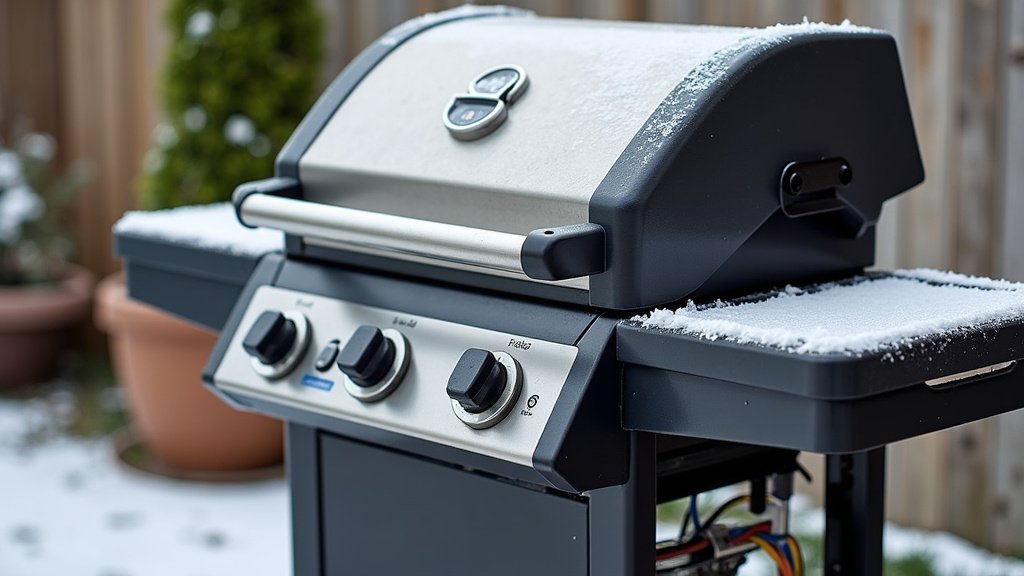
Conclusion
You’ve now learned exactly how to prepare your gas grill for its winter slumber. By giving it a thorough cleaning, safely disconnecting and storing the propane tank, and providing it with a secure, dry shelter, you’re setting yourself up for a stress-free grilling season next spring. This preparation isn’t just about convenience; it’s about protecting your investment and ensuring your grill performs at its best for years to come. Take these steps now, and you’ll be ready to fire up the grill the moment the first warm day arrives!
Frequently Asked Questions
Can I store my gas grill with the propane tank attached?
Absolutely not. It’s a critical safety rule to never store your gas grill with the propane tank connected. Always disconnect the tank and store it upright in a cool, dry, well-ventilated area away from any ignition sources, like a detached garage or shed.
How important is cleaning the grill before winter storage?
Cleaning is extremely important! A clean grill prevents rust and corrosion by removing moisture-trapping grease and food debris. It also makes your grill less attractive to pests like rodents and insects that might try to nest inside during the cold months.
What’s the best way to protect my grill from snow and ice?
Using a high-quality, waterproof grill cover is your primary defense. For extra protection, especially in harsh climates, consider wrapping the covered grill in heavy-duty plastic sheeting and securing it. The key is to keep direct moisture away from the grill’s components.
What if I don’t have a garage or shed to store my grill?
If a garage or shed isn’t an option, find the most protected spot available, such as under a well-covered patio or porch. Ensure it’s elevated off the ground and shielded from direct rain, snow, and wind as much as possible. Even a good cover and strategic placement can make a difference.
How can I keep critters from getting into my grill during storage?
A clean grill is the first step, as it removes food attractants. You can also lightly stuff burner tube openings with steel wool to prevent insects and spiders from entering. Some people use natural deterrents like peppermint oil-soaked cotton balls placed nearby, but not directly on the grill.
