
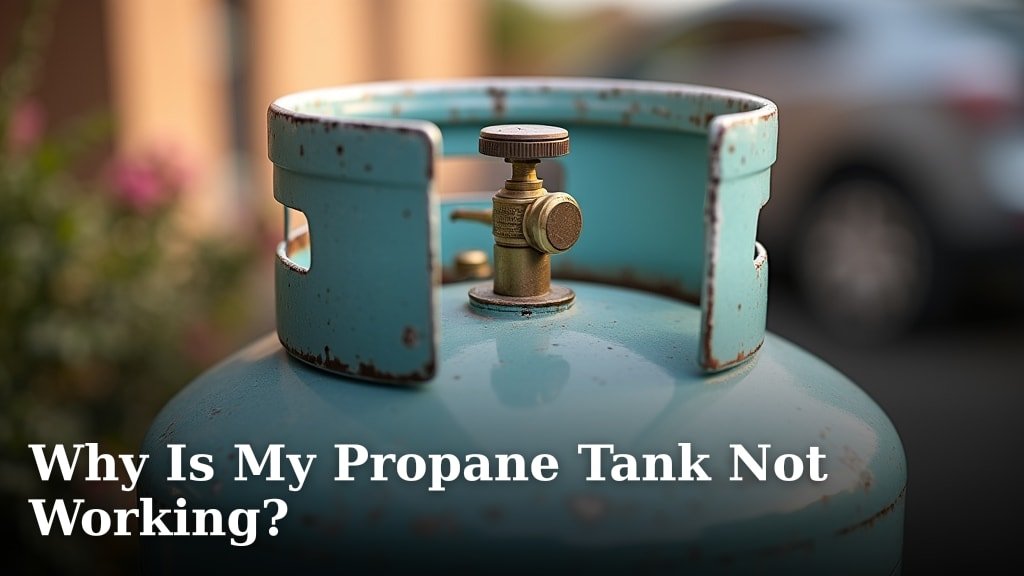
Your propane tank isn’t working because of common issues like a clogged regulator, a frozen valve, or an empty tank. These are the most frequent culprits when your grill or heater suddenly goes cold. Often, it’s a simple fix you can handle yourself with a little know-how.
When your propane seems to quit unexpectedly, it can be frustrating, especially mid-cookout or on a chilly evening. We’ve found that understanding these common problems can
Troubleshooting Your Propane Tank Issues
When your propane tank suddenly stops working, it’s a common frustration. You might be in the middle of cooking a delicious meal or trying to stay warm. Don’t worry, though! We’ve researched the most frequent reasons why this happens. Many of these issues are simple fixes you can often handle yourself without needing a professional.
Common Culprits Behind a Non-Working Propane Tank
Is Your Propane Tank Empty? The Obvious First Check
This might sound too simple, but it’s the most common reason. People often forget to check their propane levels, especially if they don’t use their grill or heater frequently. Think of it like checking your car’s gas tank before a long trip. You wouldn’t want to run out halfway there, right?
How to check: Most modern propane tanks have a gauge. Older ones might require you to weigh the tank or use a water method. A quick visual inspection can often tell you if it’s completely empty.
The Propane Regulator: A Frequent Bottleneck
Your propane tank has a regulator. This device controls the flow of gas from the tank to your appliance. If it’s faulty or clogged, it can prevent propane from reaching your grill or heater. This is a very common point of failure. A faulty or clogged regulator can prevent propane from reaching your appliance.
What happens: The regulator can get clogged with debris or ice. Sometimes, it can simply malfunction. If you have propane in your tank but no flame, the regulator is a prime suspect. Many experts recommend checking the regulator if other simple checks don’t reveal the problem.
Common signs of a faulty regulator:
- Low or no flame on your appliance.
- A hissing sound coming from the regulator.
- Your appliance doesn’t heat up properly.
Frozen Valves and Condensation: A Cold Weather Problem
Propane is a liquid under pressure. When it’s released, it expands and cools rapidly. In cold weather, this cooling can cause moisture in the air to freeze around the tank’s valve or regulator. This ice can block the flow of propane.
When this occurs: It’s most likely to happen on very cold days, especially if you’re using a lot of propane quickly. Imagine spraying an aerosol can; it gets cold fast. Propane does something similar, but on a larger scale.
How to address it: Gently warm the valve area with a towel. Never use a direct heat source like a blow dryer or torch, as this is a serious safety hazard. Allow the valve to thaw naturally. We found that patience is key here.
Is the Gas Valve Open? The Simple Act of Turning It On
It sounds basic, but sometimes the solution is the simplest one. Make sure the valve on your propane tank is actually open. It’s easy to forget this step, especially if you’re excited to get grilling or heating.
Where to find it: The valve is the knob or handle on top of the propane tank. Turn it slowly, usually counter-clockwise, to open it. You should hear a faint hiss if propane is flowing.
The Hose and Connections: Leaks and Blockages
Your propane tank connects to your appliance via a hose. This hose and its connections can cause problems. Leaks are a major safety concern, but blockages can also stop the flow of gas.
Checking for leaks: A common method is to mix dish soap and water and spray it on the connections and hose. If you see bubbles forming, you have a leak. Immediately shut off the gas and tighten the connection or replace the hose. Many safety guidelines highlight this test.
Checking for blockages: Sometimes, debris can get into the hose. If you suspect a blockage, you might need to disconnect the hose and inspect it. If it’s old or damaged, replacement is often the best option.
The Appliance Itself: More Than Just the Tank
While we’re focused on the tank, sometimes the problem isn’t with the propane itself. The appliance you’re trying to power could be the issue. This is especially true if you have other propane-powered devices that are working fine. If the tank and connections are fine, the appliance itself could be the issue.
Common appliance issues:
- Clogged burners on a grill.
- Ignition problems.
- Internal component failures.
If you’ve checked your tank, regulator, and hose and still have no luck, it might be time to look at the appliance. Consult your appliance’s manual for troubleshooting specific to that device.
Overfill Protection Device (OPD) Valve Issues
Many newer propane tanks have an OPD valve. This is a safety feature designed to prevent overfilling. If the tank was accidentally overfilled, the OPD can sometimes shut off the flow of propane.
How it works: The OPD valve has a float mechanism inside. If the tank is filled beyond 80%, the float prevents the valve from opening fully. This can result in very low gas flow or no gas flow at all.
What to do: If you suspect an OPD issue, you might need to have the tank professionally checked or refilled. They can ensure it’s not overfilled and reset the valve if necessary. Many refill stations can help with this.
Safety Shut-Off Valve Activation
Some propane systems have safety shut-off valves. These can be triggered by a sudden surge of gas, often caused by a leak or a rapidly opened tank valve. Think of it like a circuit breaker for gas.
Why it happens: If the valve on the tank is opened too quickly, it can trigger this safety feature. This is another reason why opening the valve slowly is important.
Resetting it: Resetting these valves usually involves closing the tank valve, waiting a minute, and then opening it again very slowly. Consult your appliance’s manual for specific instructions on how to reset its safety valve.
Internal Tank Problems (Rare but Possible)
While less common, there can be internal issues within the propane tank itself. Corrosion or damage to the internal components can affect gas flow. This is generally something that requires professional inspection.
When to consider this: If you’ve tried all other troubleshooting steps and the tank still isn’t working, an internal issue might be the cause. Tanks are durable, but they aren’t indestructible. Experts suggest that if a tank is very old or has been damaged, this becomes more likely.
A Quick Troubleshooting Checklist
Here’s a handy checklist to run through when your propane tank isn’t working:
- Check the tank level: Ensure there’s propane in the tank.
- Open the valve slowly: Make sure the tank valve is fully open.
- Inspect the regulator: Look for ice or listen for hissing.
- Check the hose and connections: Test for leaks with soapy water.
- Verify the appliance: Ensure the appliance itself is functioning.
- Reset safety valves: If applicable, try resetting them.
Conclusion
Running out of propane is a common hiccup, but you now know the most likely culprits. We’ve covered everything from a simple empty tank to tricky frozen valves and regulator issues. Often, a quick check and a simple fix are all you need to get back to enjoying your grill or heater. Don’t let a cold appliance spoil your plans. If you’ve gone through the checklist and are still stumped, it might be time to consult your appliance manual or call a professional.
Frequently Asked Questions
How do I know if my propane tank is actually empty?
You can usually check the tank’s built-in gauge for a reading. For older tanks without a gauge, you can weigh it or use a warm water trick on the side to see where the liquid propane line is. Always ensure you have enough fuel before you start cooking or heating.
What should I do if I suspect my propane regulator is faulty?
If you have propane in the tank but a weak or no flame, the regulator is a prime suspect. Listen for hissing sounds and check for obvious damage. For safety, it’s often best to have a faulty regulator replaced by a qualified technician.
Can I fix a frozen propane valve myself?
Yes, you can gently warm a frozen valve with a towel. Never use an open flame or direct heat source, as this is very dangerous. Allow it to thaw naturally, and if it’s a recurring issue, consider your usage rate or tank placement in cold weather.
What’s the soapy water test for, and how do I do it?
The soapy water test is for detecting leaks in your propane system’s connections and hose. Mix dish soap and water, then spray it onto the fittings and hose. If you see bubbles forming, there’s a leak, and you should immediately shut off the gas and tighten or replace the faulty part.
When should I suspect the problem is with my appliance and not the propane tank?
If your propane tank is full, the valve is open, and your regulator seems fine, the issue might be with the appliance. Check for clogged burners on a grill or ignition problems. If other propane devices are working correctly, the problem likely lies within the specific appliance you’re trying to use.
