
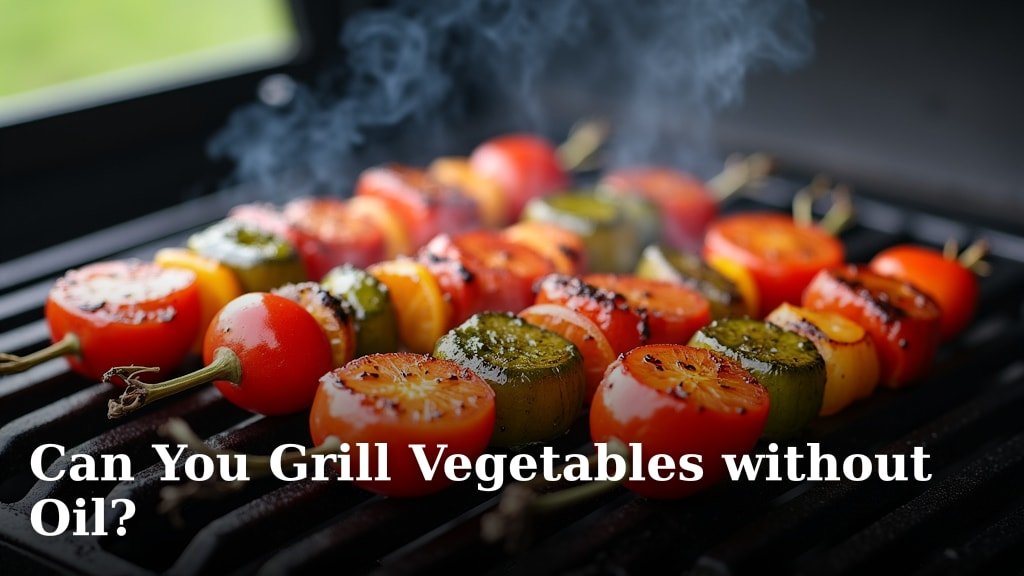
Yes, you absolutely can grill vegetables without oil! Many vegetables, like bell peppers, zucchini, and corn on the cob, have enough natural moisture to grill up beautifully. You just need to know a few simple tricks to prevent sticking and ensure they cook evenly. Grilling veggies without oil is totally achievable and delicious.
It might seem counterintuitive to grill without that familiar slick of oil. But skipping the oil means you get a cleaner, purer taste of the vegetables themselves. Plus, it’s a great way to enjoy lighter, healthier meals without sacrificing flavor. We found that with the right preparation, you don’t miss the oil one bit. It’s a healthier grilling option for everyone.
- Yes, grilling veggies without oil is possible.
- Some vegetables are naturally moist enough.
- Proper preparation is key to avoid sticking.
- It offers a purer, more natural vegetable flavor.
- It’s a great way to eat healthier.
So, if you’re wondering how to get perfectly grilled vegetables without a drop of oil, you’re in the right place. Let’s walk through exactly how to do it.
Mastering the Art of Grilling Veggies Without Oil
Absolutely! You can grill vegetables beautifully without using any oil. Many vegetables come with their own natural moisture and oils that help prevent sticking. You just need to know a few techniques to get them perfectly cooked and delicious right on the grill grates. It’s all about preparation and choosing the right veggies.
When you grill without oil, you’re letting the true flavor of the vegetable shine through. It’s a fantastic way to enjoy a lighter meal. Many people worry about sticking, but with the right approach, you’ll find it’s surprisingly easy. We’ve found that this method can lead to some of the most satisfying grilled vegetable experiences.
Why Skip the Oil? The Benefits You Might Not Know
Skipping the oil isn’t just about cutting calories, although that’s a great benefit. It’s also about experiencing the pure taste of the vegetables. Without oil, you can better appreciate the natural sweetness of corn or the slight char on a bell pepper. Plus, it makes cleanup a breeze!
Grilling without oil is an excellent choice for those managing their diet or simply looking for a cleaner way to eat. Many dietary guidelines suggest reducing added fats, and this method aligns perfectly. You can enjoy a full plate of flavorful veggies without any added concerns. It’s a healthier grilling option that doesn’t compromise on taste.
Which Vegetables Grill Best Without Oil?
Not all vegetables are created equal when it comes to oil-free grilling. Some have higher water content or natural oils that make them perfect candidates. Others might need a little extra coaxing, but many can be done without a single drop.
Naturally Moist Vegetables That Shine
These vegetables contain a lot of water or natural sugars that help them cook and prevent sticking. They are your go-to choices for oil-free grilling.
- Corn on the cob: Its natural sugars caramelize beautifully.
- Bell peppers: They have a good amount of moisture and a satisfying bite.
- Zucchini and yellow squash: These cook quickly and have a tender texture.
- Asparagus: The stalks are firm enough to hold up well on the grill.
- Onions: Slices or wedges become sweet and tender.
- Mushrooms: Large varieties like portobellos are great.
Vegetables That May Need a Little Help (But Still Possible!)
While these might sometimes benefit from a tiny bit of oil, you can often get them to grill successfully without it. The key is preparation and watchful grilling.
- Broccoli and cauliflower florets: Cut them larger to prevent falling through the grates.
- Potatoes and sweet potatoes: Slice them thinly or par-boil them first.
- Eggplant: It can absorb a lot of oil, so grilling it dry is often preferred.
- Tomatoes: Cherry tomatoes on skewers or larger slices work well.
The Secret Weapon: Proper Preparation is Key
Before your vegetables even touch the grill, a little preparation goes a long way. This step is what prevents sticking and ensures even cooking. It’s like giving your veggies a little pep talk before their big performance.
Cleaning and Cutting for Success
Start by washing your vegetables thoroughly. Pat them completely dry with a paper towel. Moisture on the outside can cause steaming instead of direct grilling. Cut vegetables into uniform sizes. This helps them cook at the same rate. For smaller items like cherry tomatoes or florets, consider using skewers.
Pre-cooking Methods for Stubborn Veggies
Some denser vegetables, like potatoes or dense root vegetables, benefit from a head start. You can par-boil or steam them for a few minutes before grilling. This softens them up so they cook through faster on the grill and don’t burn before they’re tender. For example, potato slices can be boiled for about 5 minutes.
The “Dry Rub” Technique
Instead of oil, try using dry seasonings. A simple salt and pepper mix is great. You can also use garlic powder, onion powder, paprika, or your favorite herb blends. The rub helps draw out some moisture and creates a flavorful crust. Research shows that certain spices can enhance flavor profiles significantly (USDA).
Grilling Techniques for Oil-Free Perfection
Once your veggies are prepped, it’s time for the grill. The heat and timing are crucial here. You want a hot grill to get those nice char marks quickly.
Preheating and Cleaning Your Grill Grates
This is absolutely non-negotiable. Preheat your grill to a medium-high heat. Clean your grill grates thoroughly with a wire brush. Then, use a paper towel dipped in water (carefully!) or a grill brush designed for this purpose. A clean, hot grate is your best defense against sticking. Some suggest briefly oiling the grates with a paper towel *if* you’re struggling, but we’re aiming for no oil!
Direct vs. Indirect Heat Management
Understand your grill’s heat zones. Use direct heat for vegetables that cook quickly, like peppers or zucchini. For denser vegetables or if you’re worried about burning, use indirect heat. This means placing them on a part of the grill that isn’t directly over the flames. This allows them to cook through more gently. Understanding direct heat is important for cooking vegetables quickly.
The Flip and Turn Strategy
Don’t overcrowd the grill. Give your vegetables space to cook evenly. Use tongs or a spatula to turn them only once or twice. Resisting the urge to constantly move them helps develop those nice grill marks and prevents them from falling apart. Let them cook undisturbed for a few minutes on each side.
Using Grill Baskets or Skewers
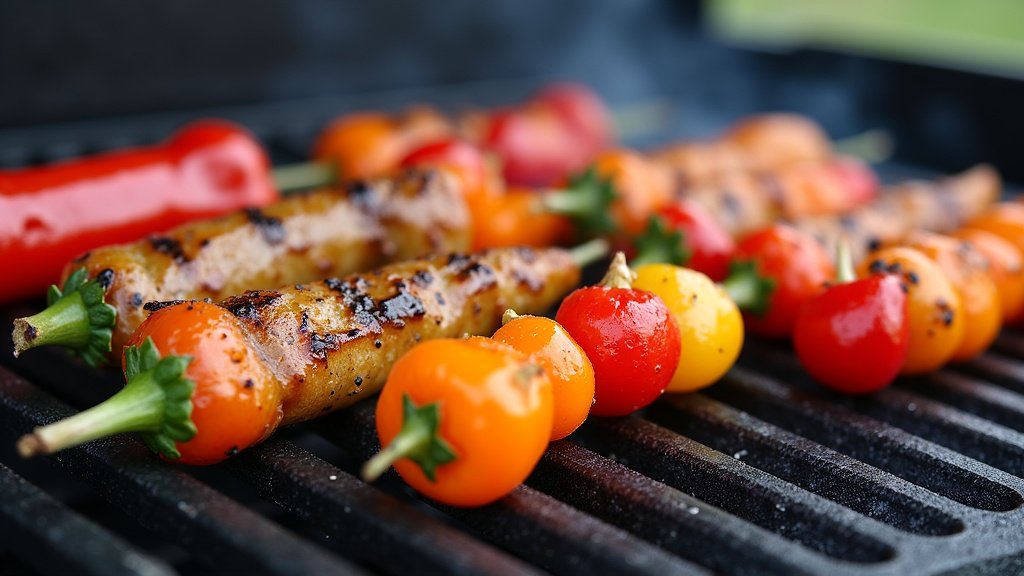
For smaller items or vegetables that tend to fall through the grates, a grill basket or skewers are your best friends. You can still achieve that smoky, grilled flavor without direct contact with the grates. This is a great solution for florets or bite-sized pieces. Many baskets are non-stick, further reducing any worries about food adhering.
Flavor Boosters: Spices and Marinades (Oil-Free!)
Just because you’re not using oil doesn’t mean you have to sacrifice flavor. There are tons of ways to make your grilled vegetables taste amazing.
Spice Blends and Rubs
Experiment with different dry rubs. Think smoked paprika for a smoky flavor, chili powder for a kick, or Italian herbs for a classic taste. A simple sprinkle of salt, pepper, and garlic powder can transform a plain vegetable. Many commercial spice blends are oil-free. Always check the ingredients list!
Vinegar-Based and Citrus Marinades
Acidic ingredients are fantastic for tenderizing and adding flavor. Try marinades made with balsamic vinegar, red wine vinegar, lemon juice, or lime juice. Combine them with minced garlic, herbs like rosemary or thyme, and a pinch of salt and pepper. Marinate for at least 30 minutes. Be aware that citrus can “cook” vegetables if left too long, so watch the timing.
We found that a simple marinade of balsamic vinegar, garlic powder, and a pinch of black pepper worked wonders on asparagus. It created a beautiful glaze without any oil at all.
Herbs and Aromatics
Fresh herbs like cilantro, parsley, basil, or mint can be chopped and added after grilling for a burst of freshness. You can also grill sprigs of rosemary or thyme alongside your vegetables to infuse them with aromatic flavor. Garlic cloves, peeled and lightly smashed, can also add a wonderful depth.
Troubleshooting Common Oil-Free Grilling Issues
Even with the best intentions, you might run into a snag or two. Don’t worry, these are usually easy fixes!
The Dreaded Sticking
If your vegetables start sticking, it usually means they haven’t released their natural moisture yet or the grill grates aren’t clean enough. Try not to force them. Wait a minute or two for them to develop a bit of char; they often release themselves. Ensure your grill is sufficiently hot.
Uneven Cooking
This can happen if your vegetables are cut unevenly or if your grill has hot spots. Try to keep pieces similar in size. If you notice one area is cooking faster, move those vegetables to a cooler part of the grill. Research from culinary institutes often highlights the importance of temperature control for consistent results.
Burning Before Tender
This is a common issue with denser vegetables or when grilling over too high heat for too long. Par-boiling or steaming beforehand is your best friend here. Also, practice moving vegetables to indirect heat if they start to char too quickly.
Your Checklist for Successful Oil-Free Grilling
Ready to give it a try? Here’s a quick rundown of what to remember:
- Choose naturally moist vegetables.
- Wash and thoroughly dry all produce.
- Cut vegetables into uniform, grill-friendly sizes.
- Preheat and clean your grill grates meticulously.
- Don’t overcrowd the grill.
- Use seasonings, herbs, or oil-free marinades for flavor.
Conclusion
Grilling vegetables without oil is absolutely within your reach! You’ve learned that naturally moist vegetables are ideal and that proper preparation is your secret weapon. We’ve seen how clean grates, smart heat management, and flavorful oil-free marinades can transform your grilling game. Don’t be afraid to experiment with different seasonings and techniques.
So, fire up your grill and give it a try! Your next oil-free grilled vegetable masterpiece is just a few simple steps away. You’ll be amazed at how delicious and satisfying it can be.
Frequently Asked Questions
Will oil-free grilled vegetables stick to the grill?
Sticking can happen, but it’s usually manageable. Ensuring your grill grates are clean and properly preheated is the best defense. Often, vegetables will release themselves once they’ve developed a good char. Patience and not forcing them is key.
Can I still get flavor without using oil or marinades?
Absolutely! Dry rubs with herbs and spices are fantastic for adding flavor. Even a simple sprinkle of salt and pepper can make a difference. Consider fresh herbs added after grilling for a bright finish.
What’s the best way to grill delicate vegetables like asparagus?
Asparagus grills well without oil. Make sure to trim the tough ends. Grill them over medium-high heat, turning them just once or twice. They cook quickly, so watch them closely to prevent burning.
How do I prepare root vegetables like potatoes for oil-free grilling?
For denser vegetables like potatoes, par-boiling or steaming them for a few minutes before grilling is highly recommended. This ensures they become tender on the inside without burning on the outside. Slice them relatively thin for best results.
Are there any vegetables I absolutely should NOT grill without oil?
While most vegetables can be grilled without oil with proper preparation, some might be more challenging. Very dry or thin vegetables could potentially burn quickly. However, with techniques like using skewers or grill baskets, even these can be managed successfully.
