
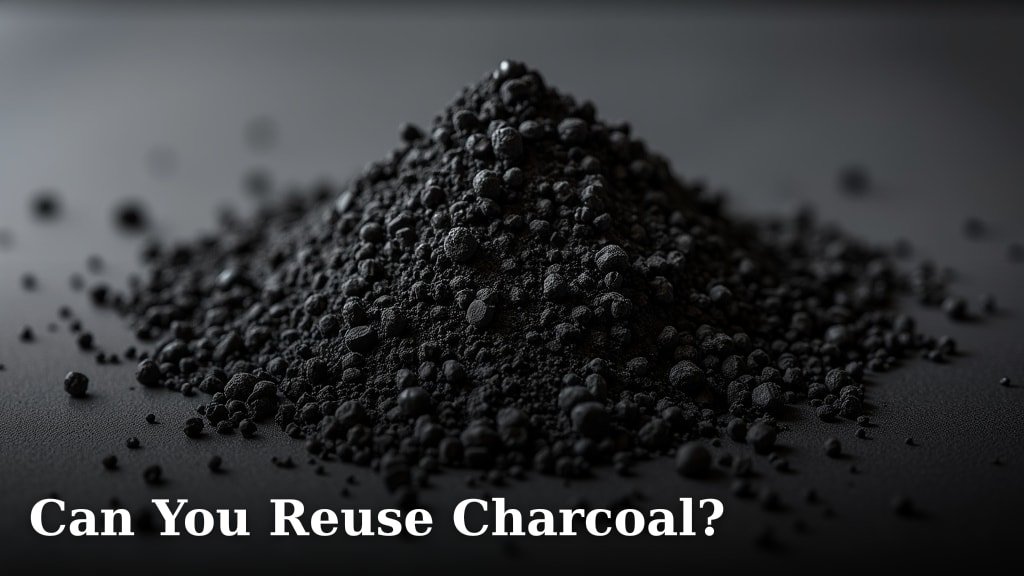
Yes, you can reuse charcoal for grilling and other purposes, but there are important things to know. Reusing charcoal is eco-friendly and budget-friendly, but it depends on the type of charcoal and how it was used.
When charcoal has been fully burned and cooled, it becomes ash. This ash can be reused in gardens as a soil amendment. However, charcoal briquettes with lighter fluid additives are generally not recommended for reuse, especially for cooking.
- Yes, you can reuse charcoal if it’s lump charcoal and wasn’t soaked in lighter fluid.
- Avoid reusing briquettes that have lighter fluid added.
- Used charcoal turns to ash, which can be useful in gardens.
- Always ensure charcoal is completely cool before handling or storing.
- Proper storage is key to successful charcoal reuse.
Let’s break down how to tell if your charcoal is good to go for another round and what to do with the leftovers.
Giving Your Used Charcoal a Second Chance
So, you’ve just finished grilling up a storm. The burgers were amazing, the conversation flowed, and now you’re left with a grill full of cooled-down charcoal. You might be wondering, “Can I really use this stuff again?” The short answer is a resounding yes, with a few caveats. Reusing charcoal can save you money and is a kinder choice for the planet. We’re going to walk you through exactly how to do it safely and effectively.
It’s not as simple as just relighting the coals. There are important factors to consider. Think of it like saving leftover ingredients for another meal – you need to know what’s still good and what’s best to toss. We found that understanding the type of charcoal and how it was used is key to successful reuse.
Understanding Charcoal Ash vs. Reusable Charcoal
This is where things can get a little confusing, but we’ll clear it up. After a grilling session, your charcoal transforms. What’s left over can be broadly categorized into two things: usable charcoal remnants and ash.
What Becomes Ash?
When charcoal burns completely, it turns into a powdery, gray substance. This is charcoal ash. It’s the mineral residue left after the combustible material has been consumed. Think of it as the “exhaust” of your charcoal fire.
This ash is quite different from unburned or partially burned charcoal. It doesn’t produce heat anymore. If you scoop up what looks like white or gray powder, that’s ash. Most of the time, this ash is not suitable for relighting to cook with.
What Can Be Reused?
The charcoal you can reuse is the stuff that didn’t fully burn. You’ll see dark gray or black chunks that are still solid, even after the fire has died down. These are your candidates for a second grilling adventure.
The key here is that the charcoal must be completely cool. Any lingering heat can be a fire hazard. We found that waiting at least 12-24 hours after your cook is a good rule of thumb to ensure everything has cooled down thoroughly.
Types of Charcoal and Their Reusability
Not all charcoal is created equal, and this impacts whether you can reuse it. The type of charcoal you used is a major factor in determining its second-life potential.
Lump Charcoal: The Champion of Reusability
If you’re a fan of lump charcoal, you’re in luck. Lump charcoal is made from hardwood that’s been heated in a low-oxygen environment. It has fewer additives and a more natural composition. Because of this, it generally burns cleaner and leaves behind more reusable chunks.
You’ll often find that lump charcoal leaves larger, more distinct pieces after burning. These pieces are excellent for relighting. Many grilling enthusiasts prefer lump charcoal for its flavor and reusability. We found that lump charcoal consistently offers the best results for a second burn.
Charcoal Briquettes: Proceed with Caution
Charcoal briquettes are the more common, pillow-shaped charcoal. They are made from charcoal dust, binders, and sometimes accelerants. While convenient, their composition affects reusability.
The main concern with briquettes is the presence of additives. Many standard briquettes contain binders to hold their shape and accelerants to help them light easily. If your briquettes contain lighter fluid or similar quick-starting agents, you should avoid reusing them for cooking.
The Lighter Fluid Dilemma
This is a big one. If you used lighter fluid or any kind of chemical accelerant to start your grill, the briquettes soaked in it are not suitable for reuse. Why? Because those chemicals can leave behind a foul taste and potentially harmful fumes when you try to relight them.
Experts, like those at the National Park Service, often advise against using lighter fluid for this reason. Even if the charcoal looks okay, the residue can linger. For food safety, it’s best to err on the side of caution. If you’re unsure, toss it.
“Easy Light” Briquettes: Usually a No-Go
“Easy light” or “instant light” briquettes are a subset of charcoal briquettes. These have added accelerants mixed right in. They’re designed to light quickly with just a match.
Because the accelerants are part of the briquette itself, it’s generally not recommended to reuse these for cooking. The chemical taste and smell can be very difficult to get rid of. We found that these types are the least suitable for any kind of second use in the grill.
How to Safely Prepare Charcoal for Reuse
Once you’ve determined your charcoal is a good candidate for reuse, preparation is simple but crucial. Safety first, always!
Cooling Down is Crucial
Never, ever try to handle or store hot charcoal. This is a serious fire hazard. Charcoal can retain heat for a very long time, even after the flames are gone. We found that patience is your best friend here.
Allow the grill to cool completely. This often means waiting until the next day. You can check by gently touching the grill grates (if they’re cool enough) or by observing the charcoal itself. If there’s any hint of red or gray ash that looks like it’s still glowing, it’s too hot.
Sorting Through the Remnants
Once cool, you can carefully sort through the contents of your grill. You’re looking for those solid, dark-colored pieces of charcoal. Remove any large chunks of ash or debris.
A small shovel or tongs can be helpful here. Try to separate the larger, reusable charcoal pieces from the powdery ash. This makes it easier to store and use the good stuff later.
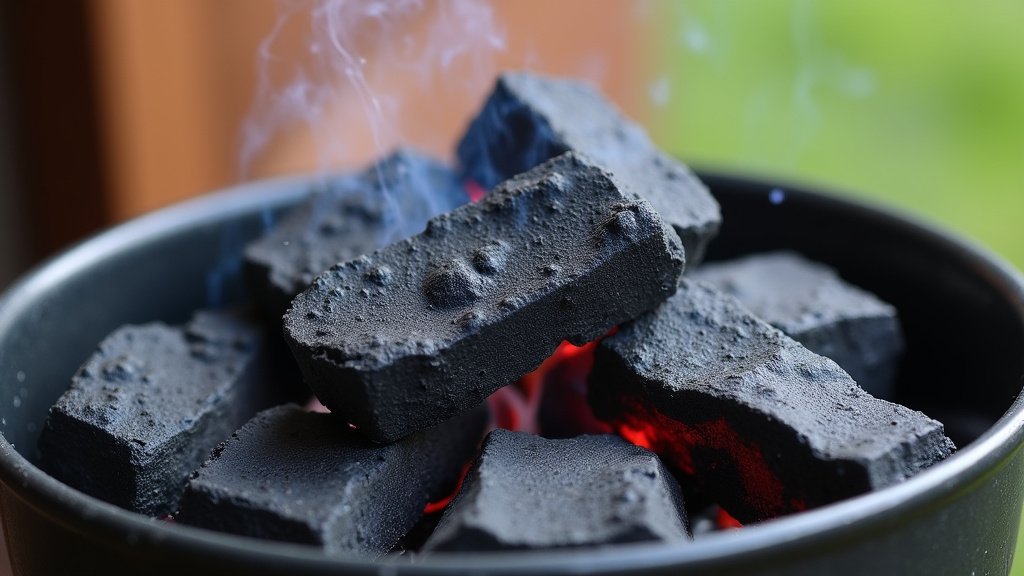
Storing Reused Charcoal
Proper storage is essential to keep your reusable charcoal in good condition for its next use. You want to protect it from moisture and contamination.
Choosing the Right Container
The best way to store charcoal is in an airtight container. This prevents moisture from getting in. Damp charcoal is difficult to light and won’t burn as efficiently.
A sturdy plastic bin with a tight-fitting lid works well. You can also use a metal trash can with a lid. Some people reuse the original charcoal bag if it’s still intact and can be sealed securely. We found that using a container that can be sealed airtight is most effective.
Where to Keep It
Store your charcoal in a cool, dry place. A garage, shed, or basement are usually good options. Avoid storing it in areas where it could be exposed to rain or high humidity.
Keep it away from flammable materials. Even though the charcoal is cool, it’s still a combustible material. This is a recommendation echoed by many fire safety guidelines.
How to Relight Reused Charcoal
Ready to give your charcoal a second chance? Relighting is straightforward. You’ll want to use a method that avoids lighter fluid.
The Chimney Starter Method
A chimney starter is the absolute best way to relight used charcoal. You place the reusable charcoal chunks in the chimney starter. Add a few pieces of fresh charcoal to help get things going. Light some crumpled newspaper or natural fire starters underneath.
The chimney starter efficiently ignites the charcoal from the bottom up. Once the top pieces are mostly covered in gray ash, you can carefully dump them into your grill. This method ensures a more even and effective restart. We found this method to be the most reliable for a strong second burn.
Adding Fresh Charcoal
You don’t always have to use 100% reused charcoal. It’s often best to mix some fresh charcoal with your used charcoal. This helps ensure a consistent temperature and longer burn time.
If you’re doing a long cook, you might need to add more charcoal partway through. Using a mix of fresh and reused charcoal can be a great way to extend your grilling session without using as many new coals.
Beyond the Grill: Reusing Charcoal Ash
Remember that powdery ash we talked about? Don’t just throw it away! Charcoal ash has some surprising benefits, particularly for your garden.
Ash as a Soil Amendment
Charcoal ash is rich in minerals like potassium, calcium, and magnesium. When added to your soil, it can help improve soil structure and nutrient content. Many gardening experts suggest using it sparingly.
You’ll want to make sure the ash comes from natural wood charcoal only. Avoid ash from charcoal briquettes, especially those with additives, as they can introduce unwanted chemicals into your soil. We found that adding it to compost bins is also a fantastic option.
How to Use Ash in Your Garden
Spread a thin layer of the wood charcoal ash around your plants. You can also mix it into your garden soil before planting. It’s a good idea to test a small area first. This helps you gauge your plants’ reaction.
Some people use it to deter slugs and snails. The sharp edges of the ash can create a barrier they don’t like to cross. Remember, moderation is key here. Too much ash can make your soil too alkaline.
Here’s a quick checklist to help you decide if your charcoal is ready for another go:
- Is it lump charcoal or additive-free briquettes?
- Was lighter fluid or chemical accelerant used? (If yes, do not reuse for cooking.)
- Are the charcoal pieces solid and dark gray/black?
- Is the charcoal completely cool to the touch?
- Is it stored in an airtight container in a dry place?
Conclusion
So, can you reuse charcoal? Absolutely, but with smart choices! You’ve learned that lump charcoal is your best bet for a second grilling session. Always skip reusing briquettes that had lighter fluid, and ensure everything is totally cool before storing. Remember to store it in an airtight container, dry and safe. By following these steps, you’re not only saving money but also making a greener choice for your backyard BBQs. Give it a try on your next cookout and see the difference!
Frequently Asked Questions
How long does used charcoal last before it’s no longer good?
Used charcoal can last for a very long time if stored properly. As long as it remains dry and hasn’t been contaminated, it should be good for reuse for several months, possibly even up to a year. We found that keeping it in an airtight container is key to its longevity.
Can I mix used charcoal with new charcoal for grilling?
Yes, mixing used charcoal with new charcoal is a great idea! It helps ensure a more consistent heat and a longer burn time for your grill. This is a smart way to extend your grilling sessions without using up a whole new bag of coals.
What should I do if my used charcoal looks dusty?
If your used charcoal is mostly dusty and powdery, it has likely turned into ash. This ash can’t be relit for cooking. However, if it’s natural wood charcoal ash, you can still use it as a beneficial soil amendment in your garden.
Is it safe to use reused charcoal if I used a charcoal chimney starter?
Using a charcoal chimney starter is the safest and most effective way to relight reused charcoal. It helps ignite the coals evenly without needing lighter fluid. This method avoids introducing any chemical tastes or fumes to your food.
Can I reuse charcoal that got wet?
It’s best to avoid reusing charcoal that has gotten wet. Moisture makes charcoal difficult to light and can lead to inefficient burning. If it’s only slightly damp and dries out completely, it might be okay, but for best results, aim for dry, unused charcoal.
