
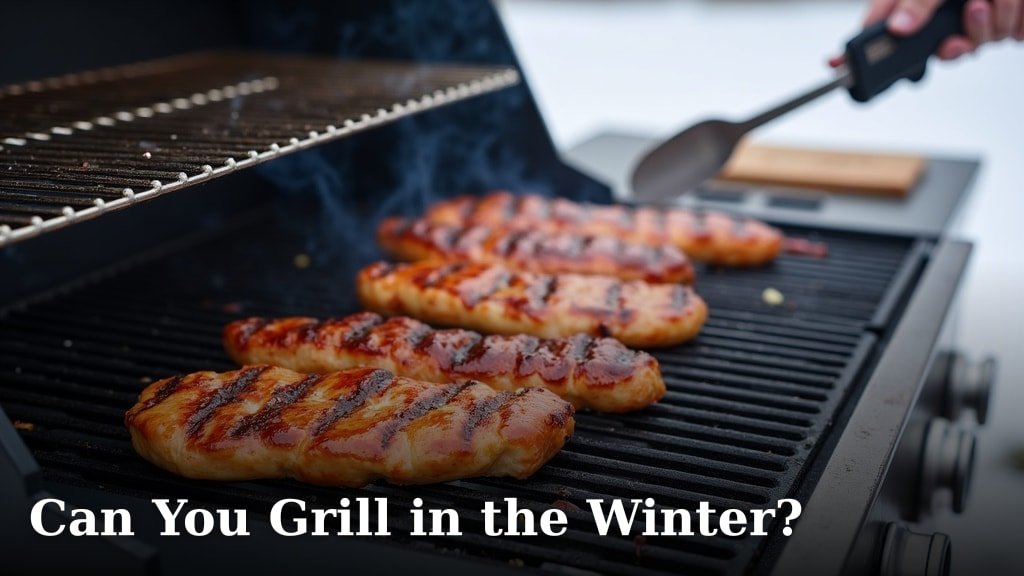
Yes, you absolutely can grill in the winter! Don’t let a little chill stop your culinary adventures. With the right preparation and a few smart tips, you can enjoy delicious grilled meals year-round, regardless of the temperature or snowfall.
Many people believe winter grilling is impossible, but we found that it’s actually quite achievable and even enjoyable for many outdoor cooks. It just requires a bit more planning than a summer cookout. You might need to adjust your cooking times and be mindful of the weather, but the result is a perfectly grilled meal that’s worth the effort.
- Yes, you can grill in winter.
- Preparation is key for success.
- Adjust cooking times for cold weather.
- Dress warmly and stay safe.
- Enjoying grilled food is possible anytime!
Let’s walk through the best ways to make your winter grilling experience a success. We’ll cover everything from choosing the right grill to keeping yourself and your food warm.
Don’t let the cold air freeze your grilling dreams! You can absolutely fire up your grill even when the temperatures drop. Winter grilling is not just possible; it can be a really enjoyable experience for many people. It just takes a little extra planning and a few smart adjustments to make sure your food cooks perfectly and you stay comfortable.
Mastering Your Winter Grill Session
Many people assume that once the leaves fall, the grill has to go into hibernation. But we found that this isn’t true at all! With the right approach, you can enjoy smoky, delicious food all year long. Think of it as a fun challenge, not a chore. You’ll be surprised at how satisfying it is to create a fantastic meal outdoors, even in chilly weather.
The main difference you’ll notice is that your grill will lose heat more quickly in cold air. This means your food might take longer to cook than it would on a warm summer day. But don’t worry, we’ll cover how to manage this. Let’s get your grill ready for winter!
Choosing the Right Grill for Cold Weather
While most grills can handle winter, some types might be a bit easier to manage in the cold. Your choice can make a difference in your overall experience.
Propane Grills: Your Reliable Cold-Weather Friend
Propane grills are often considered the easiest for winter use. They heat up quickly and maintain a steady temperature. The gas tank is the main thing to watch. Cold temperatures can reduce the pressure inside a propane tank. This means you might get less fuel than usual. Propane grills are often considered the easiest for winter use. Our guide explains the difference between gas and charcoal grills.
- Check your propane level often. A nearly empty tank will perform even worse in the cold.
- Keep a spare tank handy. This is always a good idea, but especially crucial when winter grilling.
- Consider placing your tank in a warmer spot beforehand. A garage or shed can help it before you connect it.
Charcoal Grills: For the Dedicated Griller
Charcoal grills can also work well in winter. They tend to retain heat better than some other types. However, starting the coals might take a bit longer in frigid air. You’ll also need to be mindful of the wind, which can blow ash around and affect the coals’ heat.
- Use plenty of charcoal. It’s better to have too much than too little.
- Protect your coals from wind. A windscreen can be a simple but effective addition.
Pellet Grills: Convenience with a Caveat
Pellet grills offer great temperature control and ease of use. However, some models might struggle in extreme cold. The pellets themselves can absorb moisture if not stored properly, which can cause issues.
- Ensure pellets are dry. Store them in a sealed container.
- Check your grill’s manual. Some manufacturers offer winterizing tips or specific advice for cold weather.
Preparing Your Grill and Your Space
Before you even think about flipping burgers, a little preparation goes a long way. Getting your grill and your grilling area ready will make the whole process smoother.
Cleanliness is Key
A clean grill is essential year-round, but it’s even more important in winter. Food debris can freeze and make cleaning difficult later. Plus, a clean grill heats more evenly.
- Scrape down your grates before you start.
- Ensure your drip pan is empty and clean.
Consider Your Location
Where you set up your grill matters, especially when it’s cold.
- Avoid windy spots. Wind is your enemy in winter. It chills your grill and your food faster.
- Choose a well-lit area. Shorter days mean less natural light.
- Ensure good ventilation. Never grill indoors or in an enclosed space. Carbon monoxide is a serious risk. The CDC strongly advises against using grills indoors or in garages due to CO poisoning risks. Never grill indoors or in an enclosed space. Carbon monoxide is a serious risk. Learn why you can’t use a gas grill indoors.
Protect Your Grill
If your grill is stored outdoors, give it a quick once-over. Make sure there’s no excessive ice or snow built up on it. A quick brush-off is usually all you need.
Adjusting Your Grilling Techniques for Winter
Now for the practical part: how to actually grill when it’s cold. The biggest change you’ll notice is that your grill will struggle to maintain its set temperature. It loses heat much faster to the surrounding cold air.
Preheating is More Important Than Ever
Give your grill extra time to preheat. We found that 15-20 minutes is often necessary, compared to 10-15 minutes in warmer weather. A properly preheated grill starts cooking immediately when food hits the grates. This helps seal in juices and prevents sticking.
Watch Your Cooking Times
This is where most adjustments are needed. Expect longer cooking times. Research and found that cooking times can increase by as much as 50% in cold weather.
Use a good meat thermometer. It’s your best friend for accurate doneness. Don’t rely solely on visual cues.
| Food Item | Approximate Winter Cooking Time (vs. Summer) |
|---|---|
| Steaks (1-inch thick) | 10-15 min (vs. 8-10 min) |
| Chicken Breasts (boneless, skinless) | 15-20 min (vs. 10-12 min) |
| Sausages (fully cooked) | 12-18 min (vs. 10-12 min) |
| Burgers (1/2-inch thick) | 10-14 min (vs. 8-10 min) |
Remember, these are just estimates. Always cook to temperature, not just to time. Using a reliable meat thermometer is key to avoiding undercooked or overcooked food.
Keep the Lid Down!
This is a golden rule of grilling, but it’s even more critical in winter. Every time you lift the lid, your grill loses a significant amount of heat. Think of it like opening the oven door on a cold day. You want to trap that heat inside as much as possible.
Manage Your Fuel
As mentioned, propane can be affected by cold. If you’re using charcoal, you might find it burns a bit faster in very cold temperatures.
- For propane: Keep an eye on your gauge and have that spare tank ready.
- For charcoal: Have extra briquettes or lump charcoal on hand.
Consider Indirect Heat
For thicker cuts of meat or larger items, indirect heat can be your best friend. This means cooking food away from the direct flame or coals. It allows the food to cook through gently without burning the outside. This method is effective in all weather but is particularly useful when maintaining consistent direct heat can be challenging in winter.
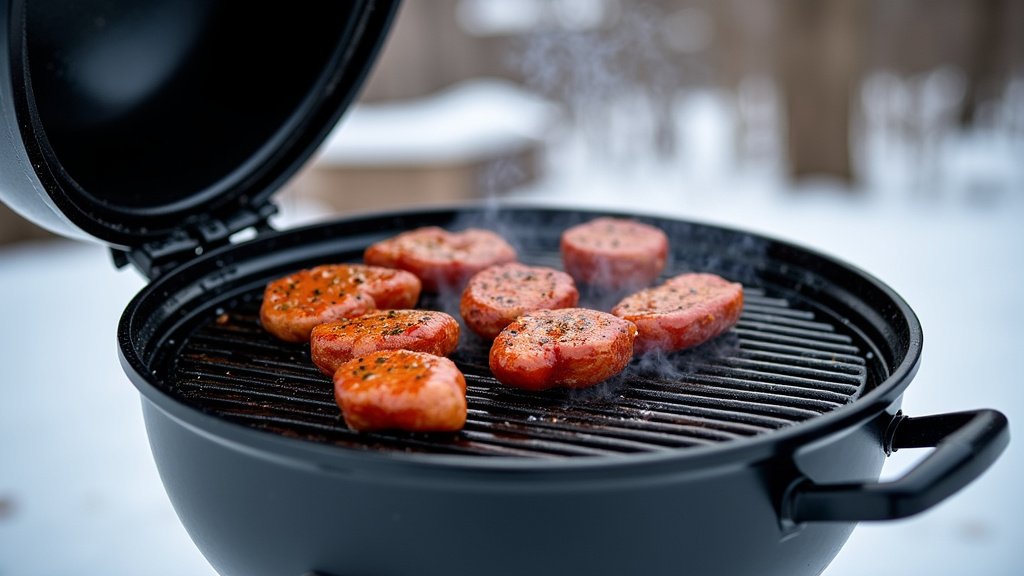
Staying Warm and Safe While Grilling
Grilling in winter means you’ll be spending time outdoors in potentially cold, damp, or even snowy conditions. Your comfort and safety are paramount.
Dress for Success (and Warmth!)
This might seem obvious, but it’s worth emphasizing. Layering is your best strategy.
- Start with a moisture-wicking base layer.
- Add an insulating middle layer, like fleece.
- Finish with a windproof and water-resistant outer layer.
- Don’t forget warm gloves, a hat, and waterproof boots.
- Consider oven mitts that are extra long to protect your forearms.
Having a pair of kitchen tongs with extra-long handles can also be a lifesaver, keeping your hands further from the heat and the cold.
Have Everything Ready Indoors
Minimize your time spent out in the cold. Prep all your ingredients, seasonings, and tools beforehand. Have everything you need within easy reach. This means your food is ready to go on the grill, and you can quickly grab utensils or plates.
Consider a “Grilling Station” Setup
If possible, set up your grilling area so you don’t have to move too far. Having a small table or counter nearby for your prepared food and tools is incredibly helpful. Some people even use a pop-up canopy to provide a bit of shelter from wind and light snow, though this should never replace proper ventilation. The U.S. Fire Administration cautions that temporary structures can be a fire hazard if not used correctly.
Carbon Monoxide Awareness
We touched on this, but it bears repeating. Carbon monoxide (CO) is an odorless, colorless gas produced by fuel-burning appliances like grills. Grilling in an enclosed or poorly ventilated space, especially in winter when doors and windows might be kept shut, significantly increases the risk of CO poisoning.
Always grill outdoors. Never bring your grill inside or into an attached garage. Ensure your grilling area is well-ventilated. Consider a battery-operated CO detector near your home’s entrances if you are concerned about fumes entering your house.
Slipping Hazards
Ice and snow can make your grilling area treacherous. Make sure your patio or deck is clear of any slippery debris. Consider using salt or sand on pathways if ice is a concern. Take slow, deliberate steps when moving around your grill.
Your Winter Grilling Checklist
To make sure you’re fully prepared for your chilly grilling adventure, keep this quick checklist handy:
- Grill Check: Ensure your grill is clean and in good working order.
- Fuel Check: Confirm you have enough propane or charcoal. Have a backup ready.
- Weather Gear: Dress in warm, waterproof layers. Don’t forget gloves and a hat.
- Tools Ready: Have long-handled tongs, a meat thermometer, and any other necessary tools within reach.
- Ingredient Prep: Prepare all your food indoors before heading out to the grill.
- Safety First: Be mindful of ventilation and slippery surfaces.
By following these tips, you can transform your winter blues into delicious grilled eats. Don’t let the season dictate your culinary creativity. Get out there and grill!
Conclusion
You’ve learned that winter grilling is not just possible, but can be a rewarding experience. We’ve covered how to choose the right grill, prepare your space, and adjust your cooking techniques for colder weather. Remember, preparation is key, from checking your fuel to dressing warmly. Don’t let the cold keep you from enjoying delicious grilled meals. Your next step is to gather your gear and plan your first winter cookout!
Frequently Asked Questions
Will my propane tank run out faster in the cold?
Yes, cold temperatures can reduce the pressure in a propane tank, meaning it might deliver less fuel than usual. It’s a good idea to keep an eye on your fuel gauge and have a spare tank ready.
How much longer should I expect my food to cook in the winter?
Research and found that cooking times can increase significantly, sometimes by as much as 50% compared to warmer months. Always use a meat thermometer to ensure your food is cooked to the correct internal temperature.
Is it safe to grill if it’s snowing?
You can grill in light snow, but it’s essential to keep your grill clear of excess accumulation. Heavy snowfall might make grilling more challenging and potentially unsafe. Ensure your grilling area remains well-ventilated and clear of slippery ice.
What’s the best way to keep my grill hot in the winter?
The most effective method is to keep the lid down as much as possible to trap heat. Preheating your grill for an extended period, usually 15-20 minutes, is also vital.
Can I grill on my deck or patio in the winter?
Yes, you can grill on your deck or patio, but always ensure the area is free of snow and ice to prevent slipping hazards. Proper ventilation is also critical, so avoid enclosed spaces.
