
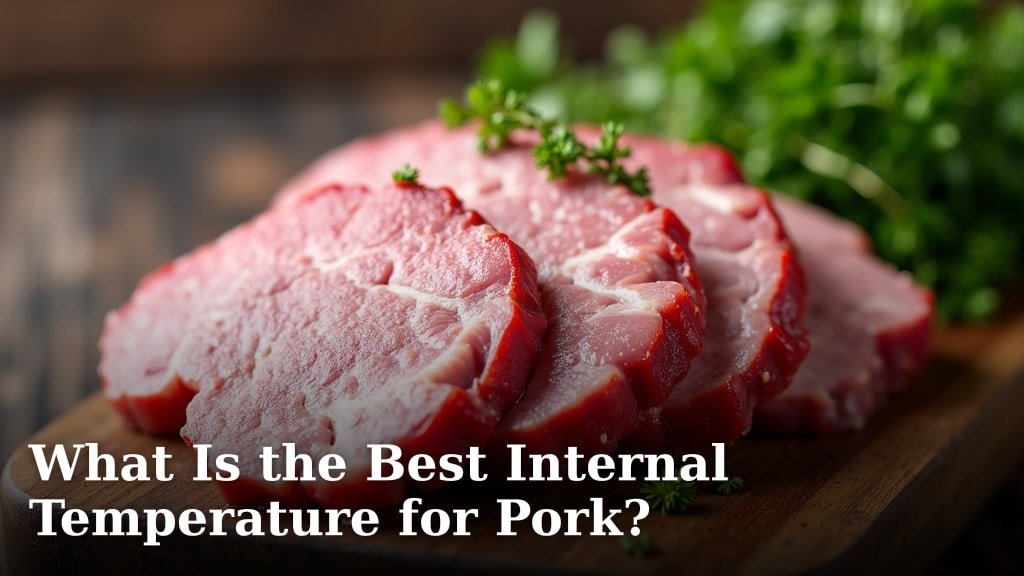
The best internal temperature for pork depends on the cut, but generally, 145°F (63°C) is the safest and most recommended temperature for whole cuts like roasts and chops. This ensures your pork is cooked through and safe to eat, while still remaining tender and juicy. For ground pork, you’ll want to cook it to a slightly higher temperature of 160°F (71°C).
Many home cooks worry about undercooked pork. However, research and USDA guidelines confirm that cooking pork to these specific temperatures is key to food safety. Going beyond these temperatures can often result in dry, less flavorful meat. We found that using a meat thermometer is the most reliable way to check for doneness.
- Target internal temp for chops and roasts: 145°F (63°C).
- Let cooked pork rest for 3-5 minutes before slicing.
- Ground pork needs to reach 160°F (71°C).
- A meat thermometer is your best friend for accuracy.
- Don’t overcook it – you want juicy, not dry, pork!
Ready to take the guesswork out of cooking perfect pork? Let’s walk through the best temperatures and techniques to ensure delicious results every time.
Cooking Pork to the Perfect Temperature
You’ve got your pork ready to go, but how do you know when it’s truly done? It’s a question many home cooks wrestle with. The secret to delicious, safe, and tender pork lies in its internal temperature. We’ve researched the best practices to help you achieve pork perfection every time.
Understanding Pork Doneness: More Than Just Color
Gone are the days when you had to rely on guesswork or the color of the meat to tell if pork was cooked. While it used to be common practice to cook pork until it was pale and dry, modern research has changed that. The U.S. Department of Agriculture (USDA) has updated its guidelines to reflect advancements in food safety and our understanding of pork. Now, the focus is on internal temperature as the most reliable indicator of doneness and safety.
Why Temperature Matters for Pork
Temperature is your direct line to food safety. Pork, like other meats, can carry bacteria. Cooking it to the right temperature kills these harmful microorganisms. This is especially important for whole cuts like chops and roasts. The USDA emphasizes that reaching a specific internal temperature is sufficient to make pork safe to consume. Going beyond this temperature often leads to undesirable results.
Think of it like baking a cake. You wouldn’t pull a cake out of the oven too early, right? You need it to bake through. Pork is similar. It needs to reach a certain heat to be safe and properly cooked. However, unlike a cake, overbaking pork can make it tough and dry. It’s a delicate balance we aim for.
The USDA’s Recommended Temperatures
The USDA’s current recommendations are a great starting point. They’ve done the research so you don’t have to. For most whole cuts of pork, such as chops, roasts, and tenderloins, the target internal temperature is 145°F (63°C). This temperature ensures that any harmful bacteria are destroyed, making the meat safe to eat.
This 145°F mark might seem low if you’re used to cooking pork to well-done. However, scientific research has shown this temperature is effective for safety. It allows the pork to remain moist and tender, which is exactly what you want. You’ll notice that after reaching 145°F, the pork is still slightly pink in the center, and that’s perfectly okay! This pinkness does not indicate undercooking; it’s a sign of juicy, properly cooked pork.
The Rest is Important Too!
Once your pork reaches 145°F (63°C), don’t rush to serve it. The USDA and many culinary experts recommend a resting period. Let the pork sit for at least 3 to 5 minutes after removing it from the heat. During this time, the juices redistribute throughout the meat. If you cut into it too soon, all those delicious juices will run out, leaving your pork drier than you’d like.
This resting phase is often called “carryover cooking.” The internal temperature might even rise a degree or two while it rests. This makes the final temperature a bit more forgiving and helps ensure even doneness. So, while you’re plating your sides or letting the family gather, your pork is quietly perfecting itself.
What About Ground Pork? It’s Different!
Ground pork requires a different approach. Because it’s processed, any bacteria present on the surface of the original cut can be distributed throughout the meat. This means ground pork needs to reach a higher internal temperature to ensure safety. For all ground meats, including pork, the USDA recommends a temperature of 160°F (71°C).
This higher temperature ensures that any potential pathogens are thoroughly eliminated. So, if you’re making pork burgers, meatballs, or sausage patties, aim for that 160°F mark. Using a meat thermometer is absolutely essential here, as it’s harder to judge doneness visually with ground meat.
Tools of the Trade: Your Meat Thermometer is Key
So, how do you accurately check the internal temperature of your pork? The answer is simple: a reliable meat thermometer. This is your most important tool in the kitchen for ensuring perfectly cooked meat. Forget the old days of poking and prodding; a thermometer takes all the guesswork out of it.
Types of Meat Thermometers
There are several types of meat thermometers available, and each has its benefits:
- Instant-read thermometers: These are very popular and easy to use. You insert the probe into the thickest part of the meat, away from bone or fat, and get a reading in seconds. They are great for quick checks.
- Digital probe thermometers: Some of these stay in the meat while it cooks, with the display unit outside the oven or grill. This allows you to monitor the temperature without opening the cooking vessel.
- Dial thermometers: These are more traditional and usually have a large dial. They can be a bit slower to read than digital ones.
We found that instant-read digital thermometers offer a great balance of speed, accuracy, and affordability for most home cooks. Whichever type you choose, make sure it’s calibrated correctly!
Using Your Thermometer Correctly
To get an accurate reading, insert the thermometer probe into the thickest part of the pork. Be sure to avoid touching any bone, as bone conducts heat differently and can give you a false reading. Also, try to stay away from large pockets of fat, which can also skew the temperature.
For roasts, you’ll want to insert the probe into the center. For chops, aim for the thickest side. If you’re cooking multiple pieces, check a few different ones to ensure they are all cooked to the desired temperature. Remember, the temperature will rise a few degrees as the meat rests, so you can often pull it off the heat a couple of degrees *before* it hits the target temperature.
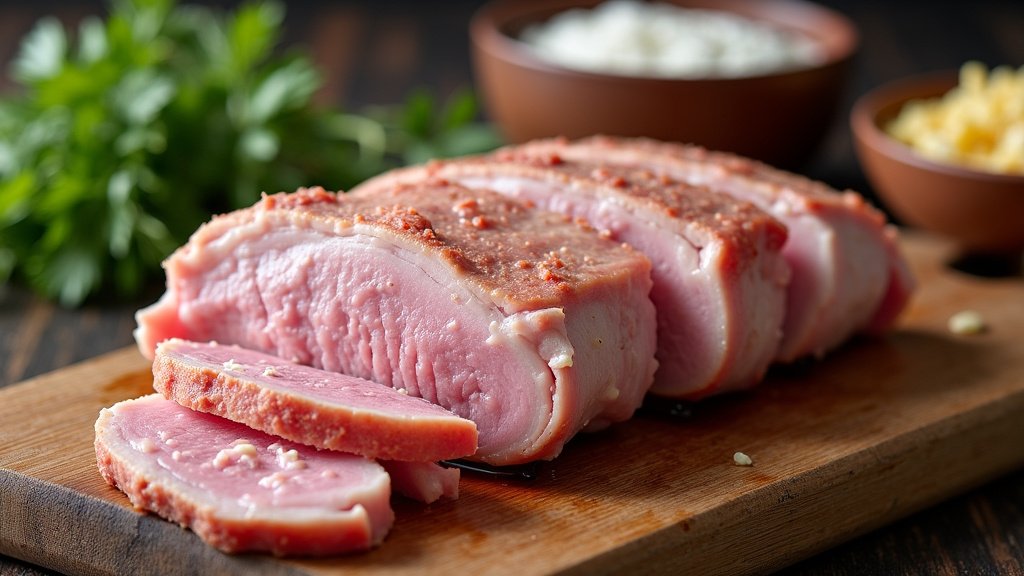
Beyond the Temperature: Ensuring Juicy Pork
While temperature is king for safety and doneness, a few other factors contribute to wonderfully juicy pork. It’s not just about hitting the right number; it’s also about the technique.
Choosing the Right Cut for the Job
Different cuts of pork have different fat contents and textures. Leaner cuts, like pork tenderloin or pork chops, can dry out more easily if overcooked. Fattier cuts, such as pork shoulder (Boston butt), are more forgiving and tend to stay moist even if cooked a little past the ideal temperature, though you’ll still want to monitor their internal temperature for tenderness.
If you’re aiming for that 145°F (63°C) temperature for chops or tenderloin, you’re likely looking for a quick cooking method like pan-searing or grilling. For tougher cuts that benefit from longer, slower cooking (like pork shoulder for pulled pork), the goal is often to cook them until they reach a much higher temperature (around 190-205°F or 88-96°C) until they are fall-apart tender.
Don’t Forget About Marinades and Brines
To add an extra layer of moisture and flavor, consider marinating or brining your pork. A brine is a salt-water solution that helps the meat retain moisture during cooking. Marinades, often containing acids like vinegar or citrus juice, can tenderize the meat and add flavor.
Even a simple dry brine, which involves rubbing salt onto the pork and letting it sit for a period, can make a big difference in juiciness and flavor. We found that brining pork chops for as little as 30 minutes can lead to noticeably more tender and flavorful results.
Resting is Non-Negotiable!
We mentioned resting earlier, but it bears repeating. This step is so crucial for juicy pork that it deserves another mention. Always allow your pork to rest after cooking, especially whole cuts. This simple step ensures that the juices stay where they belong: inside the meat.
Think of the juices like little water balloons inside the meat. When you cook meat, the fibers contract and squeeze these balloons. Resting allows the fibers to relax and reabsorb the juices. So, resist the urge to cut into that beautiful roast immediately. Patience here will reward you with a much more delicious meal.
A Quick Reference Checklist for Pork Perfection
To make it super easy for you to remember, here’s a quick checklist:
- Check pork with a meat thermometer.
- Target 145°F (63°C) for chops and roasts.
- Target 160°F (71°C) for ground pork.
- Let pork rest for 3-5 minutes after cooking.
- Insert thermometer into the thickest part, away from bone/fat.
- Don’t be afraid of a little pink in whole cuts!
Conclusion
You’ve learned that perfectly cooked pork is all about hitting the right internal temperature. For most chops and roasts, aim for 145°F (63°C), and for ground pork, it’s 160°F (71°C). Remember that a short rest after cooking is just as important for juicy results. Using a meat thermometer is your best bet for accuracy, so you can confidently serve tender, safe, and delicious pork every time. Now you’re ready to cook pork like a pro!
Frequently Asked Questions
Can I tell if pork is done just by looking at it?
While color used to be the go-to indicator, it’s not reliable anymore. Modern research shows that 145°F (63°C) is safe for whole pork cuts, and this temperature might still leave a slightly pink hue. Relying on a meat thermometer is the only truly accurate way to know your pork is cooked safely and perfectly.
What if my pork chops look a little pink after cooking?
A little pink in whole pork cuts like chops and roasts is perfectly fine and often a sign of moist, tender meat when cooked to 145°F (63°C). The USDA confirms this temperature is safe for consumption, so don’t worry if it’s not completely white. Trust your thermometer’s reading!
Why does ground pork need a higher temperature than chops?
Ground pork is processed differently, meaning any bacteria on the original surface can be spread throughout. Cooking ground pork to 160°F (71°C) ensures that any potential pathogens are killed, making it safe to eat. This higher temperature is essential for food safety with ground meats.
How long should I let my pork rest after cooking?
You should let whole cuts of pork rest for at least 3 to 5 minutes after removing them from the heat. This resting period allows the juices to redistribute throughout the meat, ensuring it stays moist and tender when you slice into it. Don’t skip this vital step!
What kind of meat thermometer is best for pork?
An instant-read digital meat thermometer is highly recommended for its speed and accuracy. It allows you to quickly check the thickest part of the pork without overcooking. While dial thermometers work, digital ones offer a more precise reading in seconds.
