

Yes, buying a wireless meat thermometer is absolutely worth it for most home cooks. It offers unparalleled convenience and helps you achieve perfectly cooked meats every time. You’ll spend less time hovering over the grill or oven, and more time enjoying your delicious results.
These handy devices take the guesswork out of cooking. No more guessing if your chicken is done or if your steak is medium-rare. A wireless thermometer gives you real-time temperature readings right on your phone or a separate display. This means fewer undercooked or overcooked meals and more confidence in your cooking abilities.
- Convenience: Monitor temps from anywhere.
- Accuracy: No more guesswork on doneness.
- Versatility: Great for grilling, smoking, and baking.
- Peace of Mind: Prevents over or undercooking.
Ready to see if a wireless meat thermometer is the right tool for your kitchen? Let’s walk through the key benefits and what to look for.
Why a Wireless Meat Thermometer is a Smart Kitchen Upgrade
So, you’re standing over a perfectly seared steak or a beautifully roasted chicken. You poke it. Is it done? Is it *really* done? If this feels like a familiar struggle, then yes, a wireless meat thermometer is absolutely worth buying. It takes the guesswork out of cooking. You get precise temperature readings without fiddling with wires. This means more consistently delicious meals. Your friends and family will thank you.
Understanding How They Work: The Magic Behind the Scenes
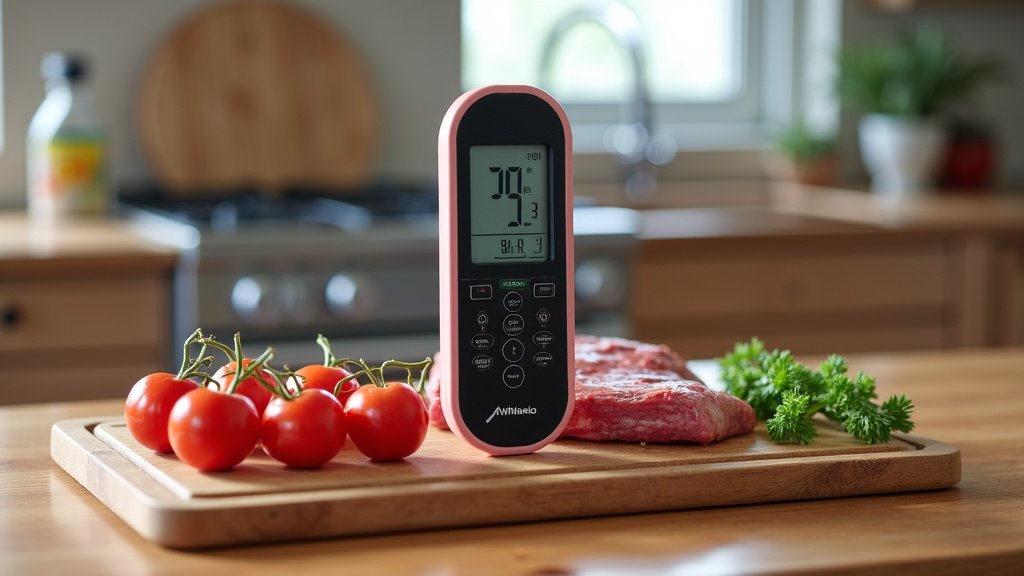
A wireless meat thermometer typically comes in two parts. There’s a probe you insert into your meat. This probe measures the internal temperature. Then, there’s a transmitter or base unit. This unit receives the temperature data from the probe. It sends this information wirelessly to a receiver. This receiver is often a handheld device or your smartphone via Bluetooth or Wi-Fi. It’s a simple system that offers incredible convenience. You can step away from the heat source and still keep an eye on your food’s progress. Many devices also have an app that lets you set custom alerts for target temperatures.
The Probe: Your Meat’s Tiny Temperature Reporter
The probe is the part that goes directly into the food. It’s usually made of stainless steel. It needs to be heat-resistant. Most probes are designed to be inserted deep into the thickest part of the meat. You want to avoid hitting bone or fat pockets. These can give inaccurate readings. The probe sends the temperature data to the transmitter. Think of it as a tiny, brave reporter sending dispatches from the culinary front lines. Research shows that accurate probe placement is key to precise temperature readings. The USDA recommends inserting the probe into the thickest part of the meat, away from any bone.
The Transmitter and Receiver: Communication is Key
The transmitter is usually attached to the probe or the cable leading to it. It broadcasts the temperature data. The receiver picks up this signal. This might be a small screen you keep on your counter. It could also be your phone. Many modern thermometers connect via Bluetooth or Wi-Fi. This allows you to monitor your food from across the house. Some high-end models even let you monitor from work! The range can vary. Always check the specifications before buying. A good range means more freedom to move around your home. You won’t be tethered to the grill.
Key Benefits You’ll Love
Why make the switch from your old reliable meat thermometer? The benefits are clear and substantial. They address common cooking frustrations. Let’s break down what makes these gadgets so appealing for home cooks.
Unmatched Convenience and Freedom
This is arguably the biggest draw. You can place your roast in the oven or your ribs on the smoker. Then, you can go watch the game in the living room. You can help with homework at the kitchen table. You can even step outside to chat with neighbors. The temperature updates on your phone or receiver. You’ll get an alert when your food reaches the desired doneness. No more constant peeking. No more opening the oven door and letting out precious heat. This convenience saves you time and makes cooking less stressful. Many users report feeling more relaxed during cookouts. They aren’t constantly worried about burning the food.
Achieving Perfect Doneness Every Single Time
Undercooked chicken is a health hazard. Overcooked steak is a culinary tragedy. Wireless thermometers solve this problem. They provide accurate, real-time temperature data. You can cook your steak to a perfect medium-rare. You can ensure your pork shoulder is tender and cooked through. The app often has pre-set temperatures for different types of meat and desired doneness levels. This takes the guesswork completely out of the equation. You’re no longer relying on touch tests or cooking times alone. You’re relying on data. The Centers for Disease Control and Prevention (CDC) strongly advises using a food thermometer. They state it’s the only reliable way to ensure meat is cooked to a safe temperature.
Preventing Foodborne Illness
This ties directly into achieving perfect doneness. Cooking meat to the correct internal temperature kills harmful bacteria. A wireless thermometer ensures you meet these safe cooking temperatures. For example, poultry should reach 165°F (74°C). Ground meats should reach 160°F (71°C). Knowing the exact temperature helps you avoid the risks associated with undercooked food. This provides peace of mind, especially when serving guests. You can be confident your food is both delicious and safe to eat. The USDA provides detailed charts for safe cooking temperatures for various meats. The USDA provides detailed charts for safe cooking temperatures for various meats, ensuring your food is both delicious and safe to eat.
Versatility for All Your Cooking Needs
These thermometers aren’t just for grilling. They are fantastic for oven roasting, smoking, and even deep frying. Some probes are designed for high temperatures, making them suitable for candy making or deep frying. You can monitor your Thanksgiving turkey from the couch. You can keep tabs on your brisket during a long smoke. You can even use them for baking large items like artisanal bread. The ability to monitor remotely means fewer interruptions to the cooking process. This can lead to more evenly cooked results, regardless of the cooking method.
Durability and Ease of Use
Modern wireless thermometers are built to last. The probes are usually made from high-quality stainless steel. The transmitters and receivers are often made from durable plastics. Many are water-resistant, which is handy for outdoor cooking in unpredictable weather. Setting them up is usually straightforward. You pair the probe with the receiver or app. Then you insert the probe and start monitoring. Many models are dishwasher safe, making cleanup a breeze. You’ll find them surprisingly easy to integrate into your cooking routine.
What to Look for When Buying
Ready to find the perfect wireless meat thermometer for your needs? Here are some key features to consider. Thinking about these will help you make the best choice for your kitchen.
Range and Connectivity
How far away do you typically cook? If your grill is on your back porch and your kitchen is further inside, you’ll need a longer range. Bluetooth typically offers a shorter range (around 30-100 feet). Wi-Fi offers a much longer range, often as far as your internet signal reaches. Some models have both options. Consider where you’ll be using the thermometer most often. Do you need to monitor from upstairs? A Wi-Fi model might be best. Always check the advertised range. This is a critical factor for true wireless freedom.
Probe Quality and Number
Look for probes made of food-grade stainless steel. They should be able to withstand high temperatures. Some thermometers come with multiple probes. This is great if you often cook different types of meat at once, or if you want to monitor two different areas of a large roast. For example, you could use one probe for the main temperature and another to check the temperature closer to the bone. This ensures even cooking throughout.
Battery Life and Power Source
Most wireless thermometers are battery-powered. Check the battery life. Some use standard AA or AAA batteries, which are easy to replace. Others have rechargeable batteries. Rechargeable batteries can be more convenient but require remembering to charge them. For long cooking sessions, like smoking a brisket, you’ll want a thermometer with excellent battery life. A low battery warning is also a helpful feature. Nobody wants their thermometer to die halfway through a cook.
App Features and Usability
If you’re opting for a smartphone-connected model, the app is important. Does it have pre-set temperature guides for different meats? Can you set custom alerts? Is the interface intuitive and easy to navigate? We found that apps with clear graphs and historical data can be very useful for learning and improving your cooking. Some apps even offer recipe suggestions. Make sure the app is compatible with your smartphone’s operating system (iOS or Android).
Durability and Water Resistance
Especially for outdoor cooking, durability matters. Look for units made from robust materials. Water resistance is a big plus. You don’t want a sudden rain shower to ruin your thermometer. Many units have an IP rating, indicating their level of protection against water and dust. An IPX4 rating means it can withstand splashes. A higher rating offers more protection. Consider where and how you’ll be using it most. If it’s mostly for indoor oven use, this might be less critical.
Temperature Accuracy and Speed
Ultimately, you need a thermometer that is accurate. Most reputable brands will state their accuracy tolerance. Look for thermometers that can read temperatures quickly. You want to see the temperature rise in near real-time. This allows for better monitoring and adjustments. While many modern digital thermometers are highly accurate, checking reviews can give you a good sense of real-world performance. Some experts suggest calibrating your thermometer periodically to ensure accuracy.
A Quick Checklist for Your Decision:
- Consider your typical cooking environment (grill, oven, smoker).
- Determine the necessary wireless range for your setup.
- Decide if you prefer a dedicated receiver or smartphone app control.
- Think about how many probes you might need.
- Check reviews for accuracy and ease of use.
- Look for models with good battery life or easy recharging.
Conclusion
You’ve seen how a wireless meat thermometer can transform your cooking. It brings unmatched convenience and removes the stress of guessing. You’ll achieve perfectly cooked meals consistently, from juicy steaks to tender roasts. This tool offers peace of mind, ensuring food is safe and delicious every time. It’s a smart upgrade for any home cook wanting more confidence in the kitchen. Ready to take your cooking to the next level? It’s time to find the right wireless thermometer that fits your needs and start enjoying flawless results.
Frequently Asked Questions
How accurate are wireless meat thermometers compared to wired ones?
Most modern wireless meat thermometers offer comparable accuracy to their wired counterparts. Reputable brands are engineered for precision. We found that proper probe placement is key to achieving accurate readings, regardless of whether the thermometer is wired or wireless.
Can I use a wireless meat thermometer for smoking or low-and-slow cooking?
Absolutely! Wireless thermometers are ideal for smoking and slow cooking. Their ability to monitor temperatures remotely means you won’t lose heat by opening your smoker. This maintains a stable cooking temperature for the best results.
How do I clean a wireless meat thermometer probe?
Most probes are made of stainless steel and can be cleaned with warm, soapy water. Some are even dishwasher safe, but always check the manufacturer’s instructions. It’s important to ensure the probe is completely dry before storing or using it again.
What is the average range of a typical wireless meat thermometer?
The range varies by model and connectivity type (Bluetooth vs. Wi-Fi). Bluetooth models typically offer about 30-100 feet of range. Wi-Fi models can offer much greater range, often limited only by your home’s Wi-Fi signal strength
