
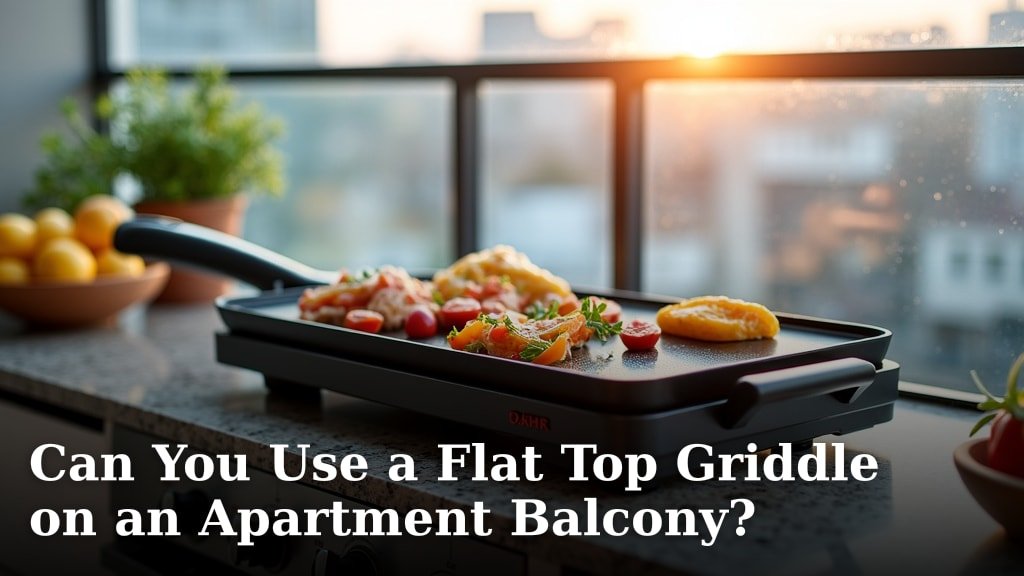
Yes, you can often use a flat top griddle on an apartment balcony, but with important caveats and safety rules. It depends heavily on your apartment building’s lease agreement and local fire codes. Always check these first before firing up your griddle.
Using a griddle outdoors requires careful consideration of fire safety and potential smoke impact on neighbors. Many apartments have specific rules about open flames or cooking appliances on balconies. Understanding these regulations can save you from fines or eviction.
- Check your lease first.
- Look for building rules on cooking.
- Understand local fire department regulations.
- Consider smoke and grease splatter.
- Propane and charcoal are often restricted.
Below, we’ll help you figure out if your balcony is griddle-ready and how to do it safely if it is.
Griddling on Your Apartment Balcony: What You Need to Know
The idea of sizzling up some burgers or pancakes on your apartment balcony is appealing. You’re probably wondering if it’s even possible, or if it’s just a dream best left to houses with big backyards. Well, the short answer is: it often is possible, but you need to be very careful and do your homework first.
This isn’t about just slapping a griddle down and hoping for the best. There are rules and safety measures that apartment dwellers must follow. We’ve researched what you need to consider to make sure you’re not breaking any leases or creating a fire hazard.
Your Apartment Lease: The First Hurdle
Before you even think about buying a griddle, your lease agreement is your first stop. Landlords and property managers have specific rules for what you can and cannot do on your balcony. These rules are often designed to keep everyone safe and happy.
What to Look For in Your Lease
Scan your lease for any clauses related to cooking, grilling, or open flames. You might find sections on:
- Prohibited items: Some leases explicitly ban certain types of grills or cooking appliances.
- Balcony usage: There might be general rules about what you can store or use on your balcony.
- Fire safety: Look for any mention of fire safety regulations or restrictions.
If your lease is silent on the matter, that doesn’t mean it’s automatically allowed. You still need to check with your building management. It’s always better to ask for clarification than to face potential eviction.
Talking to Your Property Manager
Reach out to your landlord or property management. Ask them directly if using a flat-top griddle on your balcony is permitted. Be specific about the type of griddle you intend to use (e.g., electric, propane). Electric griddles are often viewed differently than gas or charcoal appliances.
They might have building-specific rules in addition to what’s in your lease. Some buildings might allow electric appliances but prohibit anything that uses propane or charcoal due to fire risk and smoke. Getting written permission can be a good idea, too.
Understanding Building and Local Regulations
Beyond your lease, there are broader rules you need to be aware of. These come from your apartment building’s management and your local fire department. Ignoring these can lead to fines or serious safety issues.
Building Management’s Rules
Apartment complexes often have communal rules that apply to all residents. These might be posted in common areas or included in your welcome packet. Your property manager is the best source for these building-specific guidelines.
They may have designated areas for grilling, or they might prohibit all cooking appliances on balconies. Pay close attention to rules about fire hazards and smoke nuisance. These are common concerns in multi-unit dwellings.
Local Fire Codes: A Serious Matter
Your local fire department sets regulations to ensure public safety. These codes often dictate what types of cooking appliances are allowed in multi-family residential buildings, especially on balconies. Many fire codes prohibit open flames or appliances that produce significant smoke on balconies. Your local fire department sets regulations to ensure public safety, and understanding these fire codes is crucial for balcony use.
We found that many cities have strict ordinances regarding barbecue grills and similar devices on balconies. These rules are put in place to prevent fires from spreading quickly in densely populated areas. You can usually find this information on your city or county’s fire department website. When in doubt, a quick call to the fire marshal’s office can provide clarity.
Propane and Charcoal vs. Electric
This is a critical distinction. Propane and charcoal grills produce open flames and more smoke. These are often heavily restricted or outright banned on apartment balconies by both lease agreements and fire codes. The risk of fire spreading to other units is much higher.
Electric flat-top griddles, on the other hand, don’t use open flames. They plug into an electrical outlet. This often makes them a more acceptable option for apartment balconies, provided your building allows electrical appliances of that nature. However, even electric models can pose a fire risk if misused or if they malfunction.
Safety First: Griddling Without the Worry
If you’ve confirmed that your balcony is a griddle-friendly zone, safety should be your top priority. Think of your balcony as a small outdoor kitchen that needs extra care. Here’s how to set yourself up for success.
Choosing the Right Griddle for Your Space
Not all griddles are created equal when it comes to apartment living. Consider size and fuel source carefully.
- Electric Griddles: These are generally the safest bet. They don’t use gas and produce less smoke. You’ll need access to an outdoor-rated electrical outlet. Make sure the cord can reach safely without being a tripping hazard.
- Portable Propane Griddles: If allowed, these are popular for their power and versatility. However, you must follow strict guidelines for propane tank storage and usage. Never keep extra tanks on the balcony.
We recommend opting for a compact electric model if possible. It simplifies safety concerns and is more likely to be approved by your building management.
Balcony Setup and Placement
Where you put your griddle matters. It needs to be on a stable, level surface. Make sure it’s far away from anything flammable. This includes furniture, curtains, plants, or any part of your building’s exterior that could catch fire.
A good rule of thumb is to keep your griddle at least 3-5 feet away from any walls or railings. This allows for adequate ventilation and reduces the risk of heat damage. Avoid placing it directly under overhangs or awnings.
Essential Safety Gear and Practices
Always have these items on hand when griddling:
- Fire Extinguisher: A small, ABC-rated fire extinguisher is non-negotiable. Keep it accessible and know how to use it.
- Water Source: A bucket of water or a hose nearby can be a backup.
- Oven Mitts/Heat-Resistant Gloves: Protect your hands from burns.
- Proper Tools: Long-handled spatulas and tongs keep your hands away from the heat.
Never leave your griddle unattended while it’s hot. Turn it off and allow it to cool completely before cleaning or storing it. This is a crucial step in preventing accidents.
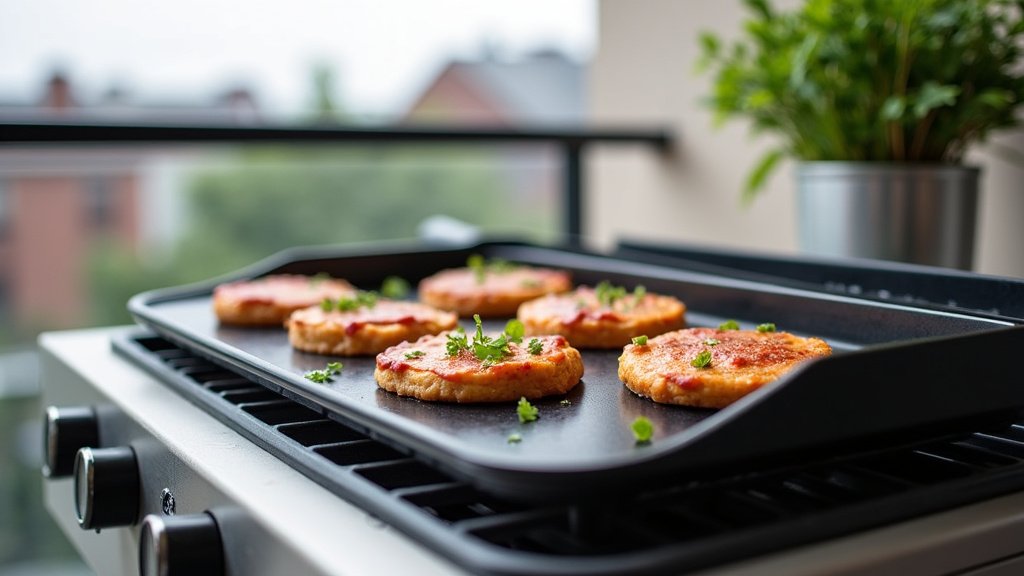
Managing Smoke and Grease: Be a Good Neighbor
One of the biggest challenges of outdoor cooking in an apartment is managing smoke and grease. You want to enjoy your meal, but you don’t want to annoy your neighbors or create a mess.
Minimizing Smoke Production
Even electric griddles can produce some smoke, especially when cooking fatty foods. To keep the smoke down:
- Clean your griddle: A dirty griddle with old food particles will smoke more. Clean it thoroughly after each use.
- Manage heat: Don’t let the griddle get excessively hot.
- Cook leaner meats: If possible, opt for foods that produce less grease.
- Use a splatter guard: These can help contain some of the smoke and grease.
Be mindful of wind direction. If the wind is blowing smoke towards a neighbor’s balcony or open window, it’s a problem. You may need to wait for different wind conditions or choose not to cook.
Dealing with Grease Splatter
Grease splatter is a mess waiting to happen. It can stain your balcony, railings, and even drip onto balconies below. Here’s how to manage it:
- Use a grease trap: Most griddles come with a drip pan. Make sure it’s properly in place and empty it regularly.
- Wipe up spills immediately: Keep paper towels or rags handy for any drips.
- Consider a shield: Some griddles have optional side shields that can help deflect grease.
Proper disposal of grease is also important. Never pour hot grease down a drain. Let it cool, then scrape it into a container and dispose of it in your regular trash.
A Quick Checklist for Balcony Griddling
Before you fire up your griddle, run through this quick checklist. It will help ensure you’re being safe and respectful:
- Lease Reviewed: Have you confirmed your lease allows outdoor cooking?
- Building Rules Checked: Did you get approval from property management?
- Fire Codes Understood: Are you following local fire department guidelines?
- Electric Preference: Are you using an electric griddle if possible?
- Safe Placement: Is your griddle far from flammable items and railings?
- Safety Gear Ready: Do you have a fire extinguisher and other safety tools accessible?
Following these steps will dramatically reduce your risk and help you enjoy outdoor cooking without incident. Remember, responsible griddling means being considerate of your neighbors and your building’s safety.
Conclusion
Using a flat-top griddle on your apartment balcony is often possible, but it requires careful planning and strict adherence to rules. You’ve learned that checking your lease and building regulations is the absolute first step. Understanding the difference between electric and open-flame appliances, along with implementing robust safety practices, is key. By being a responsible griddler, you can enjoy delicious outdoor meals without creating issues for yourself or your neighbors. Always prioritize safety and clear communication with your building management before you start cooking.
Frequently Asked Questions
What’s the biggest risk of using a griddle on an apartment balcony?
The primary risk is fire, especially if using propane or charcoal, which can quickly spread to other units. Property damage and potential lease violations or fines are also serious concerns.
Are electric griddles always allowed on apartment balconies?
Not necessarily. While electric griddles are generally safer and less restricted than gas, your lease or building rules might still prohibit any cooking appliances on balconies. Always confirm with management.
How close can I place my griddle to the balcony railing or wall?
We researched and found that a safe distance is typically 3-5 feet from any walls, railings, or flammable materials. This ensures good ventilation and minimizes heat transfer risks.
What should I do if my lease doesn’t mention balcony cooking?
If your lease is silent, it’s best to proactively ask your landlord or property manager for clarification. Getting their permission in writing is a smart move to avoid future misunderstandings.
How can I prevent smoke from bothering my neighbors?
Minimize smoke by keeping your griddle clean, managing heat levels, and considering leaner foods. Always be mindful of wind direction and avoid griddling if smoke is blowing towards a neighbor’s unit.
