
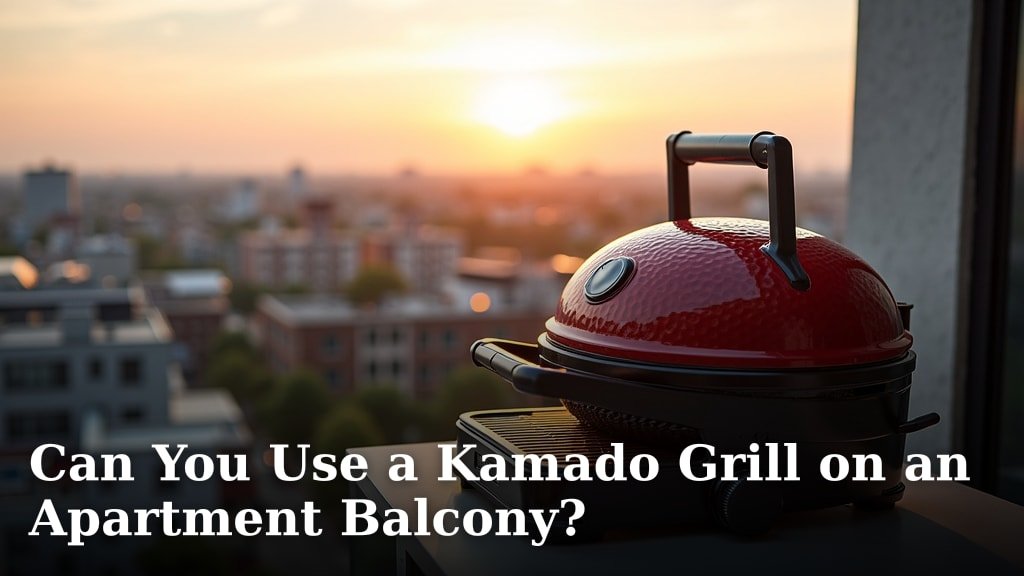
Yes, you can often use a Kamado grill on an apartment balcony, but there are some important safety rules you must follow. Many apartment buildings have specific regulations regarding grills, and it’s essential to check your lease and building management first. We found that overlooking these can lead to fines or even eviction. Your balcony’s size and ventilation also play a big role.
Kamado grills, known for their ceramic design, can get quite hot. This means you need to be extra mindful of clearances around the grill to prevent fire hazards. Many experts say that proper placement and understanding your grill’s heat output are key to enjoying grilled food safely. We found that understanding the flammable materials nearby is just as important as the grill itself.
- Always check your lease and building rules first.
- Understand your grill’s heat and required clearances.
- Never use a grill indoors or on a non-approved surface.
- Have a fire extinguisher handy and know how to use it.
- Consider the type of fuel you are using.
Below, we break down the specifics of using a Kamado grill on your balcony, so you can grill with confidence. Let’s walk through exactly how to do it safely.
Grilling on Your Balcony: Is a Kamado Grill an Option?
So, you’re dreaming of perfectly seared steaks and smoky veggies right from your apartment balcony. You’ve got your eye on a Kamado grill, those beautiful ceramic beauties that cook like a dream. But can you actually have one on your balcony? The short answer is: yes, with serious precautions.
We’ve looked into it, and many apartment dwellers successfully use Kamado grills. The key is understanding the rules and your grill’s capabilities. Kamado grills are fantastic for heat retention, but that also means they get **very hot**. This is where careful planning and following safety guidelines become your best friends.
Checking Your Building’s Rules: The First and Most Important Step
Before you even think about buying a Kamado grill, you absolutely must check your lease agreement. This is non-negotiable. Most apartment buildings have specific rules about grilling on balconies. These rules are there for a reason: **fire safety**. If a Kamado grill isn’t feasible, consider a gas grill for apartment living.
We found that many leases outright ban grilling on balconies. Others might allow it but with restrictions. These could include the type of grill, its fuel source, or even its size. Don’t guess here. Get it in writing if you can. If your lease is unclear, talk to your landlord or building management. A quick conversation can save you a lot of headaches, potential fines, or even eviction.
Understanding Kamado Grill Heat and Clearance Needs
Kamado grills, especially when fired up for searing, can produce extreme temperatures. We’re talking 700°F (371°C) and sometimes even higher. This heat isn’t just for cooking; it radiates outwards. This means you need ample space around your grill.
Experts suggest a **minimum clearance of at least 3 feet** (about 1 meter) on all sides, including above. This includes space away from walls, railings, furniture, and anything else that could catch fire. Think about your balcony’s layout. Is there enough room to safely place the grill with that much clearance? We found that even a small, enclosed balcony can become a fire hazard very quickly.
Consider what’s above your balcony too. Are there decks or overhangs that could be damaged by heat or smoke? It’s crucial to protect not only your own space but also your neighbors’.
Balcony Surface Considerations
Where you place your Kamado grill is also vital. The heat it generates can damage certain surfaces. Wood decks are particularly vulnerable. Even composite decking can warp or discolor. Many experts recommend using a **heat-resistant mat** under your grill. These mats are designed to protect surfaces from high temperatures and grease drippings.
We found that heavy-duty grill mats or even simple concrete pavers can work. Just ensure they are large enough to extend beyond the grill’s footprint. This provides an extra layer of protection. Always ensure the surface is stable and level. A wobbly grill is a recipe for disaster.
Fuel Type Matters: Propane vs. Charcoal in Apartments
Kamado grills traditionally use charcoal. While charcoal is great for flavor, it produces ash and can sometimes flare up. If your building allows charcoal grills, you’ll need a plan for ash disposal. We found that a metal ash bucket with a lid is essential. Never just dump hot ash into a regular trash can.
Some Kamado-style grills are adapted to use propane. Propane offers convenience and generally cleaner burning. However, propane tanks can be a concern in apartments. Check your building’s rules regarding propane tank storage and use. Many buildings have restrictions on the size of tanks allowed or even ban them entirely.
If you’re using charcoal, make sure you have a good quality chimney starter. This helps light your charcoal efficiently and safely, reducing the need for lighter fluid, which can produce strong fumes. We found that investing in a good chimney starter is a worthwhile safety measure.
Ventilation: Your Balcony’s Best Friend
Good ventilation is key for safe grilling. An open-air balcony is far better than a screened-in porch or a covered area. The smoke and fumes from grilling can build up quickly in enclosed spaces. This isn’t just unpleasant; it can be dangerous. Carbon monoxide is a silent killer, and grills produce it.
We found that balconies with good airflow, those not entirely blocked by walls or overhangs, are the safest. If your balcony feels a bit stuffy, it might not be the best spot for grilling. Consider the wind direction too. You don’t want smoke blowing directly into your neighbors’ windows or doors. A little bit of awareness goes a long way.
Essential Safety Gear for Balcony Grilling
Beyond the grill itself, you need safety gear. A **fire extinguisher** is a must-have. Keep a small, ABC-rated extinguisher handy. Make sure you know how to use it. Check its pressure gauge regularly. We found that many people have one but forget to check if it’s actually ready for use.
Heat-resistant gloves are also important. They protect your hands when adjusting vents or moving the grill lid. A long-handled grill brush and tools help keep a safe distance from the heat. Don’t forget a sturdy metal bucket for disposing of **cooled charcoal ash**.
Best Practices for a Safe Balcony Kamado Session
Let’s sum up the most critical steps for grilling safely on your balcony. It’s about being prepared and mindful.
- Double-check your lease and building rules. This is the absolute first step.
- Ensure adequate clearance. Keep flammable items far away.
- Use a heat-resistant mat under your grill. Protect your balcony surface.
- Never leave a lit grill unattended. Stay with your cooking.
- Have a fire extinguisher and know how to use it. Safety first!
- Dispose of ash properly in a metal container only when completely cool.
When to Think Twice About Balcony Grilling
Are there situations where grilling on your balcony, even with a Kamado, just isn’t a good idea? Yes, definitely. If your balcony is very small, enclosed, or has low overhangs, it might be too risky. If your building has strict rules or you can’t get clear permission, it’s better to find another grilling spot.
We’ve found that sometimes the best option is to use a park grill or a friend’s larger yard. Your desire for balcony grilling should never outweigh the **safety of yourself, your neighbors, and your building**. It’s always better to be safe than sorry when it comes to fire.
Conclusion
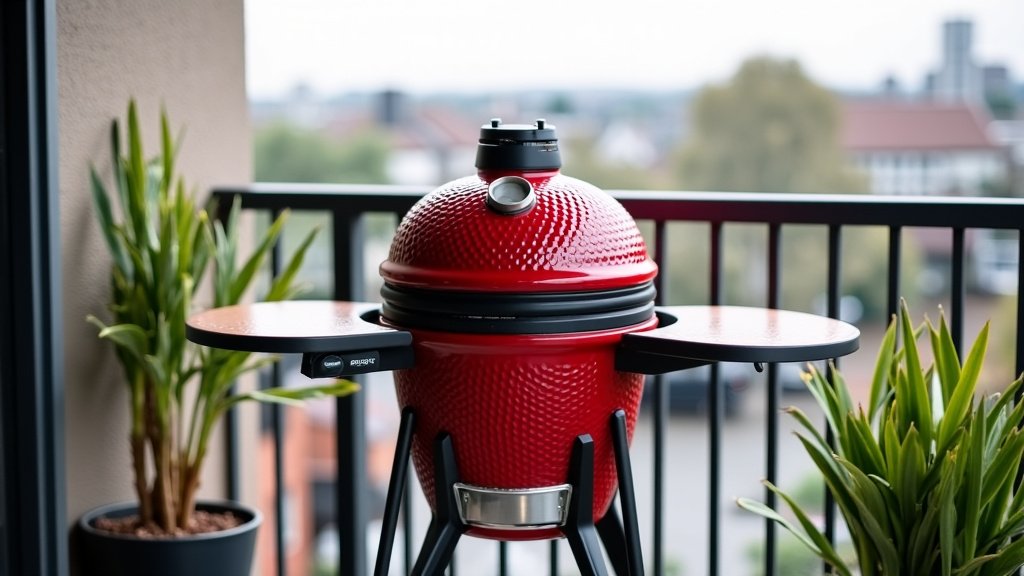
Using a Kamado grill on your apartment balcony is absolutely possible, but it demands your full attention to safety and your building’s rules. You’ve learned how critical it is to check your lease and understand the heat your Kamado produces. Remember to maintain ample clearance, protect your balcony surface with a mat, and always have a fire extinguisher ready. If your balcony feels too small or enclosed, it might be best to reconsider. Your enjoyment of grilling should never compromise the safety of your home and neighbors. Take these steps to grill responsibly.
Frequently Asked Questions
What if my lease doesn’t mention grilling?
If your lease is silent on grilling, we strongly advise contacting your landlord or building management directly. Verbal permission isn’t enough; try to get any agreement in writing to avoid future misunderstandings or issues. It’s better to clarify than to assume.
How can I tell if my balcony has enough ventilation?
Look for good airflow. If your balcony is completely enclosed by walls or has a low roof overhang, ventilation might be poor. You should be able to feel air moving freely. If smoke seems to linger or build up quickly, it’s likely not well-ventilated enough.
Are there specific types of Kamado grills better for balconies?
Generally, smaller Kamado models are more manageable on balconies. However, the size isn’t as important as understanding its heat output and clearance needs. Any Kamado grill requires careful placement and adherence to safety guidelines, regardless of its size.
What’s the safest way to dispose of charcoal ash from a Kamado grill?
Always use a sturdy metal container with a lid specifically for ash. Let the ash cool completely for at least 24-48 hours before disposing of it. Never put hot ash in regular trash bins or down drains, as this can cause fires or damage.
Can I use a grill cover on my Kamado while it’s on the balcony?
A standard weather-resistant grill cover is fine when the grill is not in use. However, never place a cover on a hot grill. Ensure the Kamado is completely cool before covering it. Some covers may also be flammable if too close to residual heat.
