
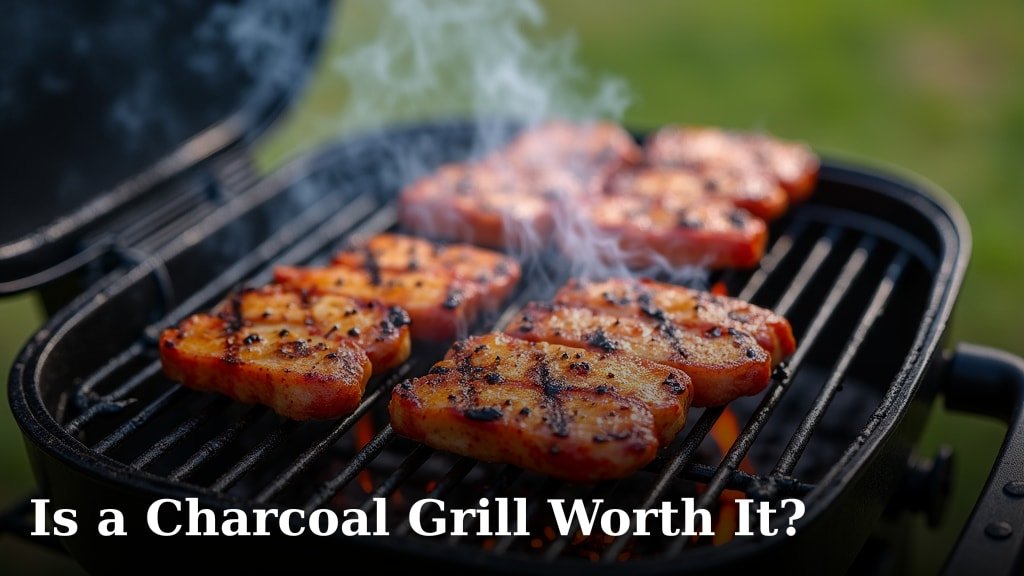
Yes, a charcoal grill is absolutely worth it if you crave that classic smoky flavor and don’t mind a little extra effort. We found that the unique taste and grilling experience it offers are unmatched by other grill types.
You’re not just cooking; you’re creating an event. The ritual of lighting the charcoal and managing the heat is part of the fun. Many grilling enthusiasts agree that charcoal delivers a superior taste that gas grills simply can’t replicate.
- Charcoal grills offer unbeatable smoky flavor.
- They provide an engaging, hands-on grilling experience.
- Achieve high searing temperatures for perfect crusts.
- They are generally more affordable than gas grills.
- Perfect for those who love the grilling process itself.
So, is a charcoal grill right for your backyard adventures? Let’s dive into all the details and help you decide if it’s the perfect match for your grilling style.
Is a Charcoal Grill a Smart Buy for Your Outdoor Cooking?
Yes, for many people, a charcoal grill is an excellent investment that brings rich flavors and a rewarding cooking experience. It’s a choice that reflects a preference for taste and tradition over convenience.
The Allure of Charcoal: Flavor That Can’t Be Beat
You’re probably wondering about the taste difference. This is where charcoal truly shines. We consistently find that charcoal imparts a distinctive smoky flavor to your food that gas grills simply can’t replicate.
Imagine a perfectly seared steak, juicy on the inside, with a beautiful crust and that unmistakable wood-smoke essence. That’s the charcoal difference. It’s not just a subtle hint; it’s a deep, complex flavor profile that makes your meals memorable.
This unique taste comes from the combustion of charcoal briquettes or lump charcoal. As they burn, they release flavorful compounds that adhere to your food. Dripping fats and juices hit the hot coals, creating flavorful smoke that further enhances your meal.
Understanding the Grilling Process: More Than Just Cooking
With a charcoal grill, you’re not just turning a knob. You’re engaging in a classic ritual. It’s a hands-on experience that many grilling enthusiasts cherish.
You start by lighting the coals. Watching them glow and knowing you’re building the heat for your meal is part of the satisfaction. Then comes managing the heat, positioning your food, and waiting for those perfect grill marks. It’s a process that connects you to your food in a unique way.
Mastering Heat Control with Charcoal
While gas grills offer instant heat, charcoal gives you surprising control once you learn its nuances. You can achieve very high temperatures for searing or set up different heat zones for indirect cooking. This versatility is a major advantage.
For example, you can pile coals on one side for direct, high-heat grilling, and leave the other side free for slower, indirect cooking. This allows you to cook a whole chicken and sear vegetables at the same time, perfectly. It gives you creative freedom with your recipes.
Cost Considerations: Budget-Friendly Grilling
When you’re comparing options, the price tag often comes into play. We found that charcoal grills are generally more affordable upfront than their gas counterparts.
You can find a good quality charcoal grill for a reasonable price. This makes it an accessible option for many who want to start grilling without a large initial investment. While you’ll continually buy charcoal, the initial cost savings can be significant.
The Trade-offs: What You Need to Know
No grill is perfect for everyone, and charcoal grills do have a few considerations. We want you to have a full picture so you can make the best choice for you.
Time Commitment for Charcoal Grilling
One of the main differences you’ll notice is the time it takes. Lighting charcoal and waiting for it to reach the right temperature requires about 15-20 minutes of preheating. This isn’t an instant on-and-cook situation.
If you’re often in a rush, this might be a factor. However, for many, this waiting period is part of the anticipation. It’s a chance to relax with a drink or prepare your ingredients while the coals get ready.
Cleaning and Maintenance of Charcoal Grills
After the delicious meal, there’s the cleanup. Charcoal grills produce ash, which needs to be disposed of. This is typically a quick process, but it is an extra step compared to gas grills.
You’ll also want to brush your grates and occasionally clean out any grease buildup. We found that regular, simple cleaning keeps your charcoal grill in great shape and ready for your next cookout.
Charcoal vs. Gas: A Quick Comparison
Let’s look at the key differences side-by-side to help you decide. This table highlights the main points we’ve discussed.
| Feature | Charcoal Grill | Gas Grill |
|---|---|---|
| Flavor Profile | Distinctive smoky, complex taste | Clean, less smoky flavor |
| Preheating Time | 15-20 minutes | 5-10 minutes |
| Temperature Control | Excellent once learned (zones) | Instant, precise control (knobs) |
| Initial Cost | Generally lower | Generally higher |
| Fuel Cost (Ongoing) | Charcoal briquettes/lump | Propane tanks/natural gas line |
| Cleanup | Ash disposal, grate cleaning | Grate cleaning, drip pan emptying |
| Experience | Hands-on, traditional, ritualistic | Convenient, quick, easy |
Who is a Charcoal Grill Perfect For?
So, after considering all this, who would truly benefit most from a charcoal grill? We believe it’s for those who prioritize flavor and enjoy the journey of cooking.
If you love experimenting with different woods for smoking, or if you enjoy the art of fire management, a charcoal grill will bring you immense satisfaction. It’s for the person who sees grilling as more than just cooking a meal; it’s an event, a passion.
Checklist: Is a Charcoal Grill Right For You?
Take a quick look at this checklist to see if your grilling style aligns with what a charcoal grill offers. If you check off most of these, you’re likely a great candidate!
- Do you prioritize a smoky, authentic flavor in your grilled food?
- Are you willing to spend a little extra time preheating and managing the fire?
- Do you enjoy a more hands-on and traditional cooking experience?
- Are you interested in mastering techniques like two-zone grilling and searing?
- Is the typically lower initial cost of a grill important to you?
- Do you see grilling as a relaxing hobby rather than just a quick task?
If you found yourself nodding along to most of these points, then a charcoal grill sounds like a perfect fit for your outdoor cooking adventures!
Conclusion
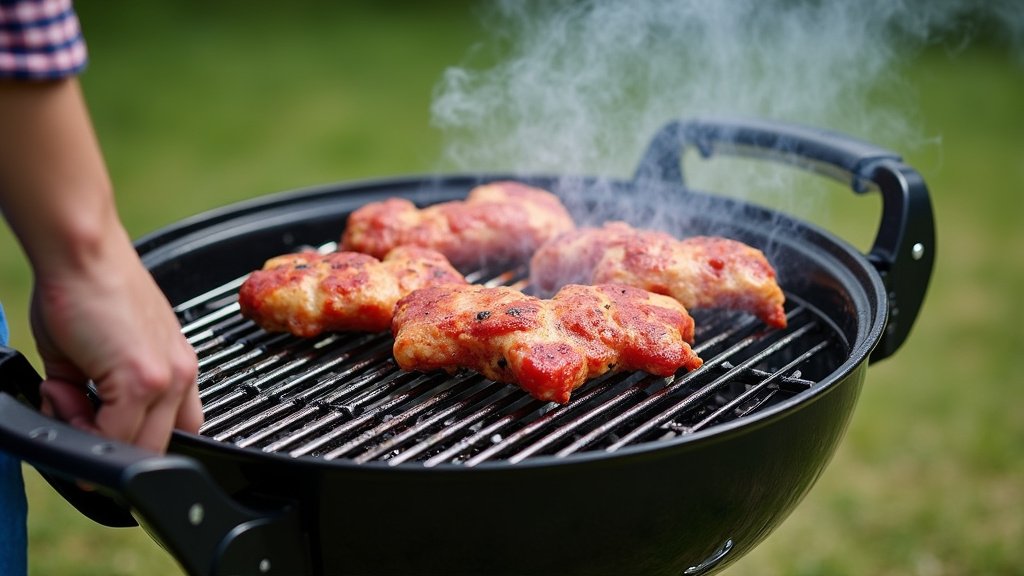
You’ve now seen that a charcoal grill offers an authentic grilling experience and that unmistakable smoky flavor. While it asks for a bit more time and effort, the reward is food that tastes truly exceptional. We found that if you enjoy the process of cooking outdoors and prioritize taste, the effort is absolutely worthwhile. It’s not just about making a meal; it’s about creating memories and savoring every bite. Ready to embrace the fire? Your journey to superior flavor starts now.
Frequently Asked Questions
Is cooking with charcoal healthier than gas?
The health aspect depends more on cooking technique than the fuel type itself. Excessive charring of food, regardless of the grill, can create unhealthy compounds. Focus on proper cooking temperatures and avoiding burnt spots for healthier results.
How do I properly dispose of charcoal ash?
Always let the ash cool completely before disposal. This can take 24-48 hours. Once cool, wrap it in aluminum foil or place it in a metal container and then dispose of it in your regular trash. Never put hot ash directly into a plastic bin.
Can I use wood chips in a charcoal grill?
Yes, absolutely! Many charcoal grill enthusiasts love adding wood chips (soaked or unsoaked) to the coals for extra flavor. This is a great way to experiment with different smoke profiles, like hickory, mesquite, or applewood, to complement your food.
What’s the main difference between briquettes and lump charcoal?
Briquettes are uniform in size and shape, burn consistently, and often contain additives for easier lighting. Lump charcoal is natural wood, burns hotter, and produces less ash. We found many grillers prefer lump for its purer flavor and higher heat.
How often should I clean my charcoal grill?
You should clean the grates after every use while they’re still warm. A more thorough cleaning, including emptying ash and scrubbing the interior, is recommended every 3-5 uses or as needed. Regular cleaning extends the life of your grill and improves cooking.
