
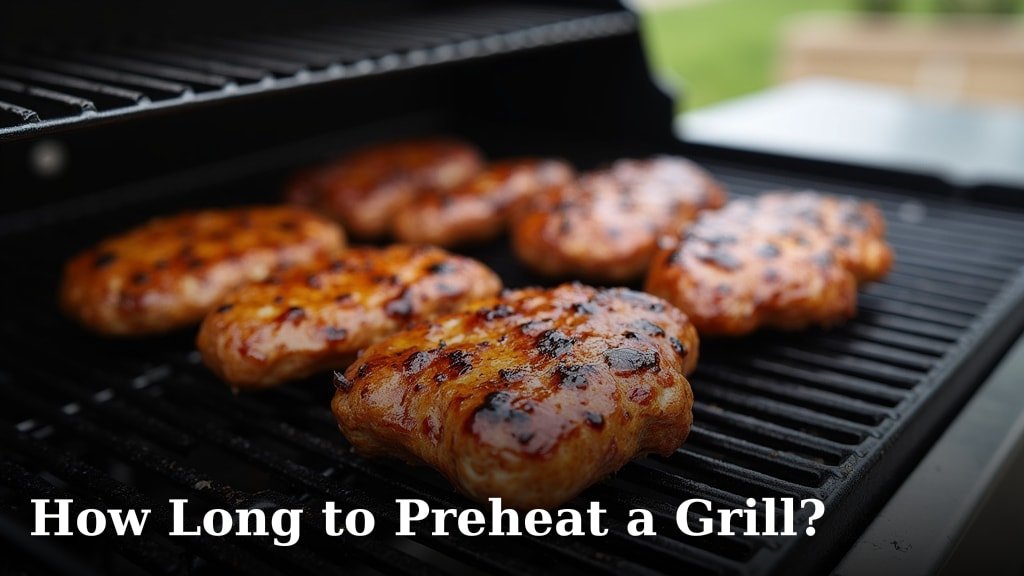
To preheat a grill, allow 10-15 minutes for gas grills and 20-25 minutes for charcoal grills. This time lets your grill reach the ideal cooking temperature. It also creates a non-stick surface.
You want your grill nice and hot before food goes on. A properly preheated grill ensures even cooking. It also helps you get those beautiful sear marks on your food. We found that rushing this step often leads to less-than-perfect results.
- Gas grills: 10-15 minutes.
- Charcoal grills: 20-25 minutes.
- Always preheat to the target temperature.
- A hot grill sears food better.
- It also helps prevent sticking.
Ready to master your grill? Let’s dive deeper into how long to preheat a grill, making sure every cookout is a delicious success.
Getting Your Grill Ready to Cook
Preheating is essential for a successful grilling session. It brings your grill to the right temperature and helps create a non-stick surface.
Think of it like preheating your oven before baking a cake. You wouldn’t put a cake in a cold oven, would you? The same principle applies to your grill.
Why Do We Preheat Grills?
Preheating isn’t just about heat; it’s about control and flavor. A properly preheated grill delivers the best results every time you cook.
Achieving the Perfect Sear
One major reason to preheat is to get that beautiful, flavorful sear on your food. When meat hits a hot grill grate, the outside quickly caramelizes. This creates a crust that locks in juices.
Without adequate preheating, your food might just sit there, slowly heating up. This can lead to gray, unappetizing food instead of delicious, browned perfection.
Preventing Food from Sticking
Ever had your burger or fish stick to the grill? It’s frustrating, and often, the culprit is a cold grate. We found that a hot grill grate helps prevent this sticky situation.
When the grates are hot, the food quickly cooks and releases. It’s like magic! A little cooking oil on hot grates also helps create a non-stick barrier.
Ensuring Even Cooking
A preheated grill has consistent heat across its surface. This means your food cooks evenly, without some parts being undercooked and others overcooked.
Imagine grilling a whole chicken. You want it cooked through, from end to end. A uniformly hot grill ensures just that. This consistency is key for food safety too (USDA).
Preheating Times for Different Grill Types
The type of grill you own dictates how long you’ll need to preheat it. Gas grills heat up much faster than charcoal grills.
Understanding these differences helps you plan your cooking time better. No one likes waiting around for a cold grill.
Gas Grill Preheating: Quick and Convenient
Gas grills are known for their convenience, and quick preheating is a big part of that. You can go from cold to cooking temperature in just a few minutes.
How Long for Gas Grills?
For most gas grills, 10 to 15 minutes is sufficient. Turn all burners to high, close the lid, and let it heat up.
You’ll know it’s ready when the internal thermometer reaches your desired cooking temperature. Many gas grills have a built-in thermometer for this purpose.
Checking for Readiness
An easy way to check if your gas grill is hot enough is the “hand test.” Hold your hand about 5 inches above the grates.
- High heat (450-650°F): You can only hold your hand there for 2-3 seconds.
- Medium heat (350-450°F): You can hold your hand there for 4-5 seconds.
- Low heat (250-350°F): You can hold your hand there for 6-8 seconds.
Always be careful when doing this test, and never touch the grates directly!
Charcoal Grill Preheating: A Little More Patience
Charcoal grills take longer to preheat, but many grill masters appreciate the smoky flavor they impart. This extra time is part of the experience.
How Long for Charcoal Grills?
Expect to wait around 20 to 25 minutes for your charcoal grill to reach optimal cooking temperature. This time allows the charcoal to ash over properly.
You want most of the briquettes to be covered in a light gray ash before you start cooking. This indicates they are ready to provide consistent heat.
Using a Chimney Starter
A chimney starter is your best friend for charcoal grilling. It helps you get your coals hot and ready much faster than just lighting them in the grill.
Fill the chimney with charcoal, light a few pieces of paper underneath, and let it do its work. The design of the chimney creates a natural draft, getting coals red hot efficiently.
Many experts say using a chimney starter cuts down on preheating time significantly (Weber Grills).
Factors Influencing Preheat Time
While general guidelines exist, several factors can change how long your grill actually needs to heat up. Being aware of these helps you adjust.
It’s not always a rigid 10 or 20 minutes. Sometimes, you might need a little more or a little less time.
Outside Temperature
Just like your car takes longer to warm up on a cold day, so does your grill. If you’re grilling in winter, expect longer preheating times.
A cold environment pulls heat away from your grill more quickly. Keep this in mind when you’re planning your outdoor cookout.
Wind Conditions
Wind can be both a friend and foe to your grill. A gentle breeze can help circulate air, but a strong wind can cause problems.
High winds can reduce your grill’s temperature or even blow out flames on a gas grill. It can also make charcoal burn faster but less efficiently. Consider a sheltered spot if it’s breezy.
Grill Size and Material
Larger grills naturally take longer to heat up because there’s more space and material to warm. A small portable grill will heat up much quicker than a large backyard behemoth.
The material of your grill grates also plays a role. Cast iron grates hold heat very well but take longer to initially warm up compared to thinner wire grates.
Here’s a quick overview:
| Grill Type | Typical Preheat Time | Key Indicator |
|---|---|---|
| Gas Grill | 10-15 minutes | Target temp on thermometer |
| Charcoal Grill | 20-25 minutes | Coals mostly ash-covered |
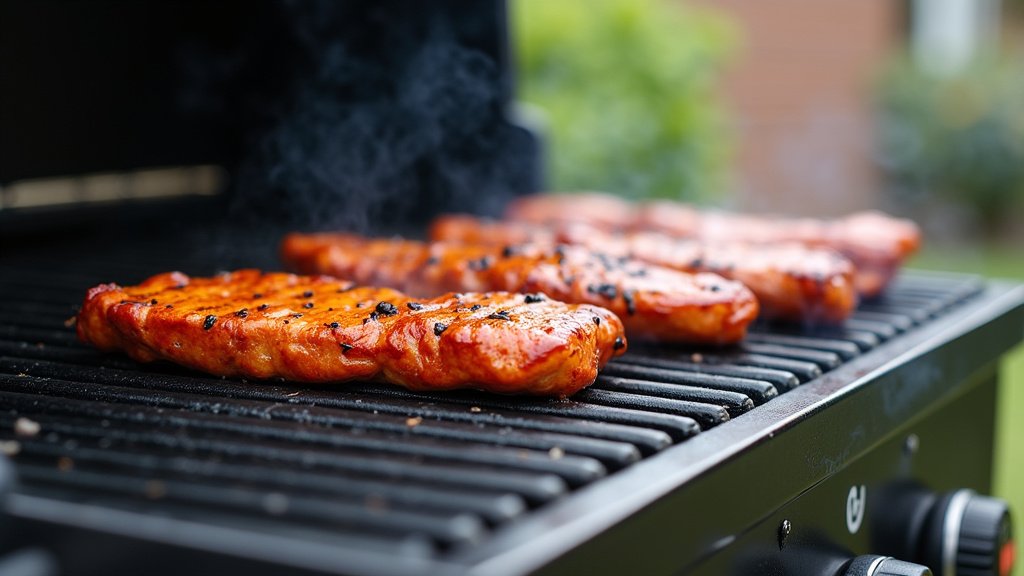
Signs Your Grill Is Ready to Cook
Knowing when your grill is truly ready is crucial. Don’t rely solely on a timer; look for these signs to confirm it’s go-time.
These indicators apply whether you’re using gas or charcoal. They are universal signs of readiness.
Reaching Target Temperature
The most straightforward sign is when your grill’s thermometer reaches the temperature needed for your recipe. Most recipes will specify a heat level.
If your grill doesn’t have a built-in thermometer, consider buying a separate, oven-safe thermometer. Placement near the grates gives a more accurate reading.
Visual Cues
For gas grills, you might see a faint shimmer above the grates as the heat radiates. The grates themselves should look dry and ready.
For charcoal, as mentioned, look for coals that are mostly covered in a fine, gray ash. They should be glowing orange underneath the ash layer.
The Clean Grate Test
A properly preheated grill makes cleaning easier. Use a stiff wire brush to clean off any old food residue.
If the residue comes off easily, leaving clean grates, your grill is likely hot enough. This also ensures your food cooks on a fresh surface.
A Quick Preheat Checklist
To ensure you’re always ready to grill, follow this simple checklist before throwing food on the grates:
- Check your fuel source (gas tank level or charcoal supply).
- Clean grill grates with a brush.
- Turn on burners (gas) or light charcoal (charcoal).
- Close the lid and allow full preheat time.
- Monitor thermometer or check charcoal ash.
- Lightly oil the hot grates before adding food.
By following these steps, you’ll be grilling delicious meals with confidence every time. Happy grilling!
Conclusion
Preheating your grill is more than just a waiting game; it’s a fundamental step for perfect grilling. By dedicating those 10-15 minutes for gas or 20-25 minutes for charcoal, you set the stage for success. You’ll achieve that irresistible sear, prevent sticking, and ensure every bite is cooked evenly and safely. Don’t rush this vital stage.
Invest a little time upfront, and you’ll consistently produce delicious, restaurant-quality food right in your backyard. Your patience will pay off with amazing results, every single time. So, go ahead, fire up that grill and let it get hot!
Frequently Asked Questions
Can I skip preheating my grill to save time?
Skipping preheating is not recommended. It can lead to food sticking to the grates and cooking unevenly. Your food won’t get that desirable seared crust.
How do I know what temperature my gas grill is at without a thermometer?
You can use the “hand test.” Hold your hand 5 inches above the grates and count how long you can keep it there. 2-3 seconds indicates high heat, while 4-5 seconds is medium.
Does preheating clean the grill grates?
Yes, preheating helps burn off old food residue. Once hot, it’s much easier to clean the grates with a wire brush before you start cooking.
Why does my charcoal grill take so long to heat up?
Charcoal needs time to ignite fully and develop an ash layer. This ensures consistent, radiant heat across the cooking surface, which takes longer than a gas flame.
Should I keep the grill lid open or closed while preheating?
Always keep the lid closed while preheating, for both gas and charcoal grills. This traps the heat inside, allowing the grill to reach its target temperature faster and more efficiently.
