
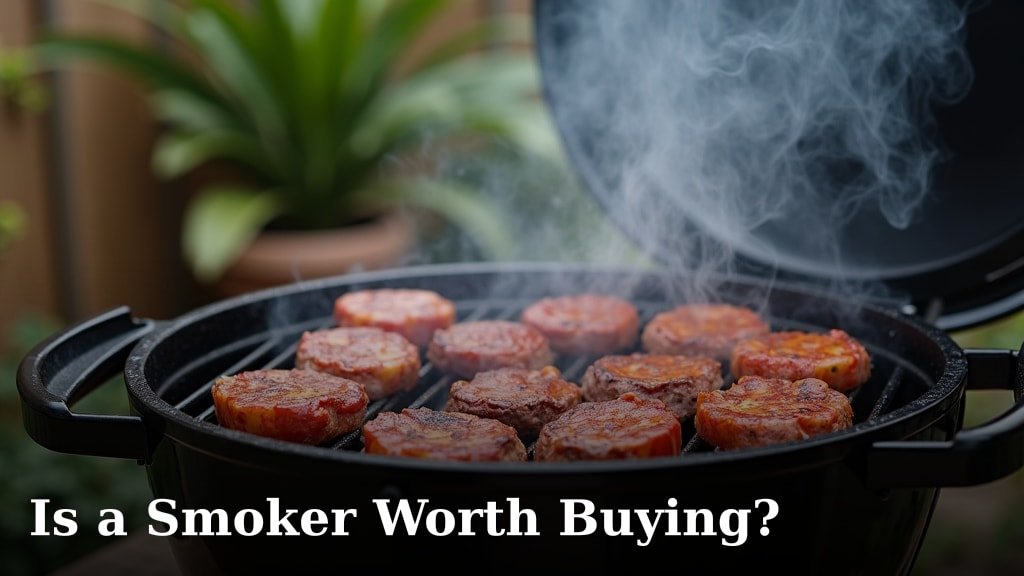
Yes, a smoker is absolutely worth buying if you love tender, flavorful meat and enjoy the cooking process. We found that a good smoker transforms your backyard cooking, offering unique flavors you can’t get otherwise.
Many home cooks wonder if investing in a smoker makes sense for them. We found that it depends on your cooking style and how much you value smoky deliciousness. Owning a smoker can open up a whole new world of culinary adventures and impress your family and friends.
- Smokers bring unique, deep flavors to food.
- They offer a fun, rewarding cooking experience.
- You can cook various meats and even vegetables.
- Initial cost and learning curve are factors to consider.
- Maintenance is key for longevity.
Let’s dive into all the details and help you decide if a smoker is the right addition to your outdoor kitchen setup.
Is Investing in a Smoker a Smart Choice for You?
You’re wondering if a smoker will genuinely add value to your life and kitchen. We found that the answer often comes down to your passion for flavor and outdoor cooking. If you love spending time outdoors and creating amazing meals, it’s very likely a smart choice.
The Unique Flavors a Smoker Delivers
There’s a special magic in smoked food. Unlike grilling or oven cooking, smoking infuses food with a deep, smoky flavor that’s hard to replicate. This taste comes from the wood combustion and slow cooking process.
Why Smoked Flavor is Different
When you smoke food, low temperatures and long cooking times break down tough meat fibers. This makes the meat incredibly tender. At the same time, wood smoke adds complex flavors you can’t get with marinades alone. It’s a true transformation.
We found that different woods, like hickory or apple, create distinct flavor profiles. This allows for amazing customization. You can match the wood to the meat, creating a perfect pairing every time.
What Can You Cook in a Smoker? It’s More Than Just Brisket!
Many people think of ribs or brisket when they hear “smoker.” While these are classics, your smoker can do so much more. It opens up a whole world of culinary possibilities in your backyard.
- Meats: Chicken, turkey, pork shoulder, sausages, fish, lamb.
- Vegetables: Corn on the cob, potatoes, onions, bell peppers, even asparagus.
- Cheese: Smoked cheddar or Gouda adds a wonderful depth to snacks.
- Nuts: Almonds or pecans become a savory treat when smoked.
We’ve even seen people smoke desserts like apple pie! The possibilities are truly endless once you get creative.
Understanding the Different Types of Smokers
Choosing a smoker can feel overwhelming at first. There are several main types, and each has its own benefits and considerations. Knowing these differences helps you pick the best one for your needs.
Our research shows that the “best” smoker really depends on your budget, how much effort you want to put in, and what features matter most to you.
Charcoal Smokers
These are often the most traditional and budget-friendly. You use charcoal briquettes or lump charcoal for heat and wood chunks for smoke. They offer a very authentic smoky flavor.
- Pros: Excellent flavor, portable, generally affordable.
- Cons: Can require more hands-on temperature management.
Think of charcoal smokers like a classic car; they require a bit more attention but deliver a very rewarding experience.
Electric Smokers
Electric smokers are very convenient. You plug them in, add wood chips, and set the temperature. They are often “set it and forget it” models, great for beginners.
- Pros: Easy to use, consistent temperatures, minimal effort.
- Cons: Less intense smoke flavor compared to charcoal/wood, limited portability.
If you prioritize ease of use and consistent results, an electric smoker might be perfect for you.
Propane (Gas) Smokers
These smokers use propane as their fuel source for heat, with wood chips or chunks providing the smoke. They offer a good balance between convenience and flavor.
- Pros: Easy temperature control, faster heat-up times than charcoal.
- Cons: Requires propane tanks, some say flavor is less intense than charcoal.
Propane smokers are a popular choice for those who want good results without constant monitoring.
Pellet Smokers
Pellet smokers use compressed wood pellets as both fuel and smoke source. They are very technologically advanced, often with digital controls and Wi-Fi connectivity.
- Pros: Precise temperature control, consistent smoke, very convenient.
- Cons: Higher upfront cost, relies on electricity, requires specific pellets.
Many consider pellet smokers the “luxury” option due to their automation and consistent performance. They are like having a smart oven outdoors.
Is the Cost Worth It? Breaking Down the Investment
A big question for many people is the cost. Is a smoker a significant investment, and will you get your money’s worth? We found that initial costs vary widely, but the long-term value often makes it worthwhile.
Think about how much you spend on smoked meats from restaurants. A smoker allows you to create those same delicious meals at home, often for a fraction of the cost per serving. Over time, the savings can add up.
| Smoker Type | Typical Price Range | Ease of Use | Smoke Flavor Intensity |
|---|---|---|---|
| Charcoal | $100 – $400 | Moderate | High |
| Electric | $150 – $500 | High | Medium |
| Propane (Gas) | $200 – $600 | High | Medium-High |
| Pellet | $400 – $1500+ | Very High | High (consistent) |
Beyond the initial purchase, consider the cost of fuel (charcoal, pellets, propane) and wood chips/chunks. These are ongoing expenses, but generally not excessive.
The Joy of the Smoking Process: A Rewarding Hobby
For many, owning a smoker is more than just cooking; it’s a hobby. There’s a real satisfaction in tending to the fire, managing the smoke, and watching a piece of meat slowly transform into something incredible.
It’s a chance to slow down, relax, and enjoy the outdoors. Many home cooks find the process itself to be meditative and rewarding. It’s not just about the food, but the experience.
We found that there’s a strong community of smokers online and in person. You can learn new techniques, share recipes, and show off your creations. It’s a great way to connect with others who share your passion.
Challenges to Consider Before Buying a Smoker
While smoking is fantastic, it’s important to be realistic about some challenges. No cooking method is perfect, and smokers do require some commitment from you.
- Time Commitment: Smoking often involves long cooking times, sometimes 8-12 hours or more for large cuts of meat. You need to be prepared for this.
- Temperature Management: Depending on the smoker type, you might need to actively monitor and adjust temperatures. This is part of the learning curve.
- Space Requirements: Smokers take up space on your patio or in your backyard. Consider where you’ll keep it when not in use.
- Cleaning: After cooking, your smoker will need cleaning. Grease and soot build up, and regular cleaning ensures good performance and longevity.
- Weather: Wind, rain, or very cold temperatures can affect smoker performance. You might need to adjust your cooking strategy accordingly.
These challenges are part of the journey, not roadblocks. With a little patience, you’ll overcome them and become a smoking pro!
A Quick Checklist: Is a Smoker Right For You?
Still on the fence? Let’s go through a quick checklist to help you decide if a smoker fits your lifestyle and cooking goals.
- Do you love rich, smoky flavors in your food?
- Are you patient and enjoy the cooking process?
- Do you have outdoor space for a smoker?
- Are you willing to learn new cooking techniques?
- Do you enjoy entertaining family and friends with delicious food?
If you answered “yes” to most of these, then a smoker is very likely a great investment for you. Many users report that once they start smoking, they wonder how they ever lived without it.
Conclusion
Deciding if a smoker is worth buying comes down to your passion for delicious food and the joy of outdoor cooking. If you appreciate deep, complex flavors and enjoy a rewarding hobby, a smoker is likely a fantastic addition to your backyard. We found that the initial investment quickly pays for itself in amazing meals and memorable experiences.
Consider your space, time, and preferred level of involvement, then choose the smoker type that fits you best. You’ll soon be creating culinary masterpieces that impress everyone. Take the leap; your taste buds will thank you!
Frequently Asked Questions
How long does it take to smoke most meats?
Smoking times vary widely depending on the type and size of meat. A rack of ribs might take 5-6 hours, while a large brisket can easily need 10-14 hours. Always cook to internal temperature, not just time.
Do I need a special type of wood for smoking?
Yes, you should use hardwoods specifically for smoking, like hickory, apple, cherry, or oak. Avoid softwoods like pine, which can produce an unpleasant flavor and harmful chemicals. Different woods impart different flavor profiles.
Can I use a smoker in the winter or cold weather?
You can definitely use a smoker in cold weather, but it will require more fuel and may take longer to reach and maintain temperature. Insulating your smoker, like using a welding blanket, can help significantly. Always ensure good ventilation.
Is smoking food healthier than grilling?
Smoking generally cooks at lower temperatures, which can reduce the formation of some harmful compounds associated with high-heat grilling. However, the health impact largely depends on the cuts of meat and ingredients you use. Both can be part of a balanced diet.
What’s the easiest meat to start with for a beginner smoker?
For beginners, pork shoulder (for pulled pork) or a whole chicken are excellent choices. They are forgiving, relatively inexpensive, and still deliver fantastic results. Both cook well and are hard to dry out completely.
