
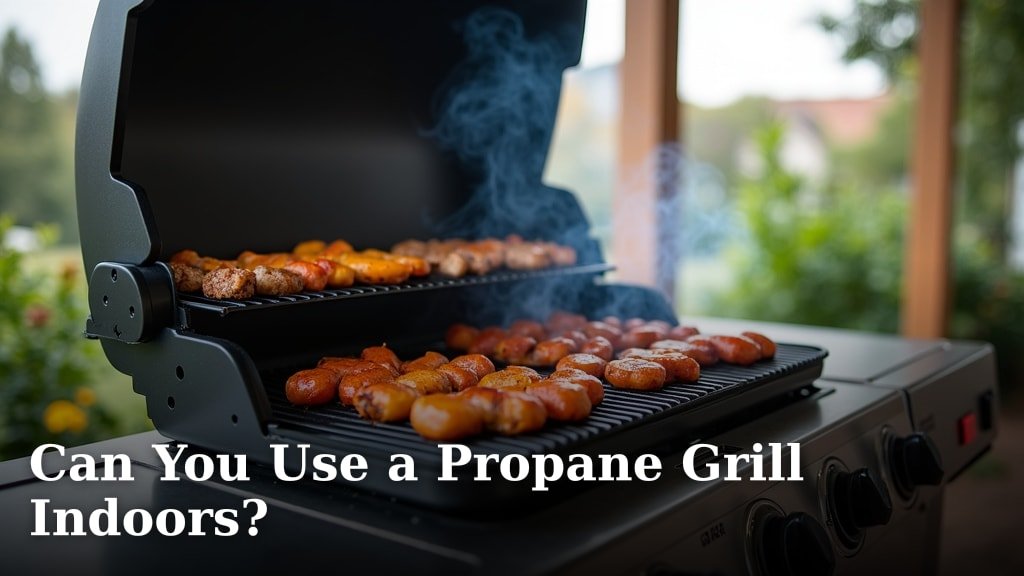
No, you absolutely cannot use a propane grill indoors. Operating a propane grill inside poses extreme safety risks. This includes garages, enclosed patios, or any unventilated space.
Propane combustion produces carbon monoxide. This gas is odorless and deadly. It also creates a high risk for fire and explosions in enclosed areas. Your safety is too important to take such a risk.
- NEVER use a propane grill indoors.
- Carbon monoxide is a silent killer.
- Fire and explosion risks are very real.
- Grills need open-air ventilation.
- Prioritize safety above all else.
You’re probably wondering why it’s so dangerous, and we’ve got you covered. Let’s look at the critical reasons and safer alternatives for cooking indoors.
Why Propane Grills Are Unsuitable for Indoor Use
Using a propane grill indoors, whether in your kitchen, garage, or even a screened-in porch, is incredibly dangerous. It’s not just a suggestion; it’s a critical safety warning from fire departments and health organizations nationwide.
Two major hazards stand out: carbon monoxide poisoning and the risk of fire and explosions. These aren’t minor concerns; they can be fatal.
The Silent Killer: Carbon Monoxide
When propane burns, it produces several byproducts. One of the most dangerous is carbon monoxide (CO). This gas is completely colorless, odorless, and tasteless. You won’t know it’s there until it’s too late.
Indoor spaces lack the proper ventilation to disperse CO. As it builds up, it replaces oxygen in your blood. This prevents your vital organs from getting the oxygen they need to function.
Symptoms of CO poisoning can mimic the flu. You might feel a headache, dizziness, nausea, or fatigue. As exposure continues, it leads to confusion, loss of consciousness, and ultimately, death (CDC).
How Carbon Monoxide Affects Your Body
Think of your red blood cells like tiny taxis for oxygen. When CO is present, it’s like a much more attractive passenger. Hemoglobin, the protein in red blood cells, binds to CO far more readily than to oxygen. It’s an unfair competition.
This means your body’s oxygen taxis get hijacked by CO. Less oxygen reaches your brain, heart, and other organs. This deprivation causes severe damage very quickly. Even low levels of CO exposure over time can lead to lasting health issues.
Explosion and Fire Hazards
Beyond carbon monoxide, propane itself poses a significant threat indoors. Propane is a highly flammable gas. It’s stored under pressure in liquid form. When released, it quickly turns into a gas.
Any leak, no matter how small, can fill an enclosed space with highly combustible propane gas. Add an ignition source – a spark, a pilot light, or even static electricity – and you have the recipe for a devastating explosion.
Understanding Propane Leaks
Propane manufacturers add a chemical called mercaptan to give it a distinctive “rotten egg” smell. This is a safety measure to alert you to leaks. However, in an outdoor setting, leaks dissipate quickly. Indoors, they collect.
Even if you think you’re being careful, accidents happen. A loose hose, a faulty valve, or a connection that isn’t quite tight could lead to a leak. The gas then settles, waiting for a spark.
A propane tank itself, especially when exposed to heat or direct flame, can become a projectile in an explosion. It’s a risk you simply cannot take inside your home or any enclosed structure.
Ventilation: The Key Difference
Propane grills are designed for outdoor use because they require ample ventilation. This isn’t just about a gentle breeze. It’s about a constant, unobstructed flow of fresh air.
Open-air environments allow hazardous gases like carbon monoxide and unburned propane to disperse harmlessly. They simply float away into the vast atmosphere, posing no immediate danger.
Indoors, that airflow is blocked. The gases accumulate, creating a toxic and explosive environment. Even opening a window isn’t enough to create the kind of ventilation needed for safe propane combustion.
Safer Alternatives for Indoor Cooking
So, what do you do when the weather won’t cooperate, or you simply want to grill inside? You have several safe and effective options that don’t involve risking your life. These alternatives are designed specifically for indoor use.
Electric Grills and Griddles
One of the most popular and safest choices is an electric grill or griddle. These appliances don’t use propane or any other combustible fuel. They heat up using electricity, eliminating the risks of carbon monoxide and gas leaks.
Many models offer excellent searing capabilities and drainage for grease. They come in various sizes, from small countertop units to larger indoor-outdoor models. Cleanup is often a breeze, too.
Cast Iron Grill Pans
A simple cast iron grill pan can be a fantastic way to get those coveted grill marks and smoky flavor indoors. You use it right on your stovetop. It heats evenly and retains heat very well.
Just be sure to use your range hood or open a window when cooking with a grill pan. While not producing CO like propane, cooking indoors can still create smoke and odors that you’ll want to vent.
Broiling in Your Oven
Don’t underestimate the power of your oven’s broiler. The broiler function uses intense direct heat from above, similar to how a grill cooks. It’s perfect for quickly cooking thinner cuts of meat, vegetables, and even some fish.
Place your food on a baking sheet or broiler pan a few inches from the heat source. Keep a close eye on it, as broiling can cook very fast. This method is entirely safe indoors and utilizes an appliance you already own.
Air Fryers
While not a traditional “grill,” air fryers have gained immense popularity for a reason. They use circulating hot air to cook food, often giving it a crispy, sometimes slightly charred exterior. While you won’t get true grill marks, you can achieve a wonderfully cooked result with less oil.
Some air fryer models even come with grill inserts or racks designed to mimic grilling more closely. They are completely safe for indoor use and don’t produce harmful combustion byproducts.
Prioritizing Safety: A Quick Checklist
Your safety and the safety of your loved ones should always come first. Using any fuel-burning appliance indoors requires careful consideration and adherence to safety guidelines.
Here’s a quick checklist to keep in mind:
Never use propane or charcoal grills indoors. This includes garages, tents, or partially enclosed patios.
Ensure proper ventilation. All fuel-burning appliances require fresh air.
Install carbon monoxide detectors. Place them near sleeping areas and on every level of your home.
Check propane lines for leaks outdoors. Use a soapy water solution to spot bubbles.
Store propane tanks outdoors. Keep them away from direct sunlight and heat sources.
Have a fire extinguisher handy. Make sure it’s rated for grease fires (Class K or BC).
The Bottom Line on Indoor Propane Grilling
The message is simple and unwavering: do not use a propane grill indoors. The risks of carbon monoxide poisoning, fire, and explosions are simply too great to ignore. There’s no safe way to do it.
We understand the appeal of grilling, even when the weather is bad. But your health and safety are far more important than a grilled steak cooked indoors. Always opt for an indoor-specific cooking method when you can’t grill outside.
Think of it this way: your grill is an outdoor-only appliance, just like your lawnmower or leaf blower. Each tool has its appropriate environment for safe operation.
Conclusion
We’ve clearly shown that using a propane grill indoors is a severe safety risk. The dangers of carbon monoxide poisoning and explosions are simply too great to ignore. There is no safe workaround for bringing an outdoor grill inside, not even for a moment.
Your safety and the well-being of your family should always be your top priority. When you want that grilled flavor but can’t cook outside, choose one of the many safe indoor alternatives discussed. Stay safe and grill responsibly!
Frequently Asked Questions
Can a small camping propane grill be used indoors?
No, even small camping propane grills are not safe for indoor use. They produce the same dangerous carbon monoxide and pose the same fire risks as larger models. Always use them outdoors in well-ventilated areas.
What if I open all the windows and doors while using a propane grill indoors?
Opening windows and doors does not provide sufficient ventilation to safely use a propane grill indoors. Hazardous gases will still accumulate to dangerous levels. Propane grills require open-air conditions for safe operation.
Are there any propane devices safe for indoor use?
Yes, some very specific propane devices are designed and certified for indoor use, like certain portable heaters or stoves. These will explicitly state “for indoor use” and have safety features. A standard propane grill is NOT one of them.
How can I tell if my grill has a propane leak outdoors?
The easiest way to check for a propane leak is with a soapy water solution. Apply it to the hose and connections. If you see bubbles forming, you have a leak. Tighten connections or replace faulty parts immediately.
What should I do if I suspect carbon monoxide poisoning?
If you suspect carbon monoxide poisoning, immediately move yourself and others to fresh air. Then, call 911 or seek medical attention. Symptoms can be subtle, so always err on the side of caution.
