
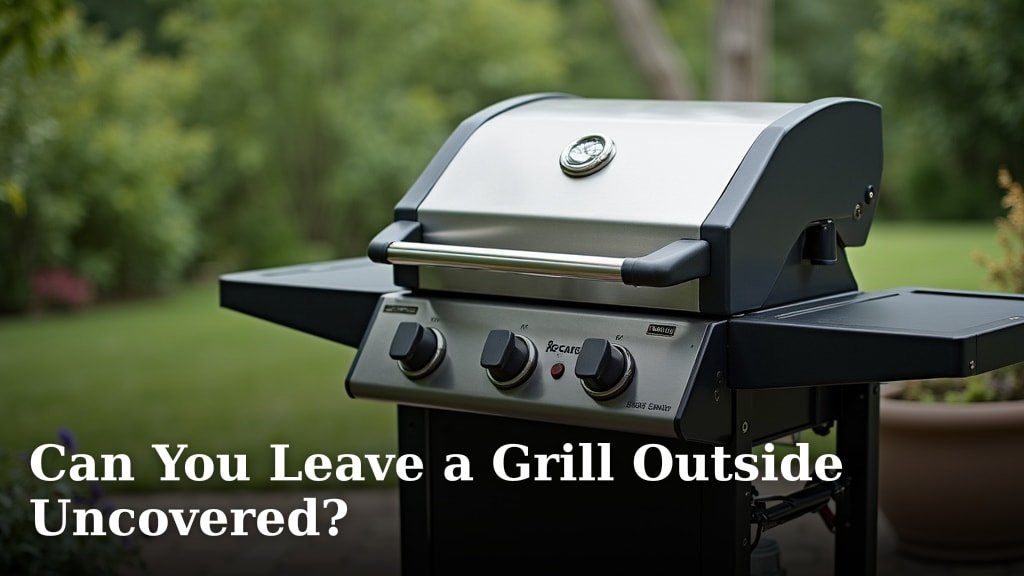
Yes, you absolutely can leave a grill outside uncovered, but it’s generally not a good idea for its longevity and performance. Leaving your grill exposed means it will face the elements head-on, leading to faster wear and tear.
While a modern grill might withstand a little rain or sun, constant exposure to moisture, UV rays, and extreme temperatures can cause significant damage. You’ll likely see rust appear much faster, and moving parts might seize up over time. We found that proper storage really extends your grill’s life.
- Leaving a grill uncovered often leads to rust and damage.
- Weather elements like rain, sun, and cold can significantly shorten your grill’s lifespan.
- A grill cover or sheltered storage is highly recommended.
- Uncovered grills may require more frequent cleaning and maintenance.
Let’s dive into why keeping your grill protected is so important and what risks you take by leaving it out in the open.
Leaving Your Grill Outdoors Uncovered: The Risks
While you certainly can leave your grill uncovered, it comes with several risks that can shorten its life and impact its performance. We found that most of these issues stem from constant exposure to the elements.
The Weather’s Impact on Your Grill
Mother Nature isn’t always kind to outdoor equipment. Your grill faces a daily battle against sun, rain, wind, and temperature shifts. Each of these elements contributes to wear and tear in its own way.
Rain and Moisture: The Rust Enemy
Rain is perhaps the biggest villain when it comes to an uncovered grill. Even a small amount of moisture can lead to big problems. We found that rust forms quickly on exposed metal surfaces.
When water sits on cast iron grates or steel components, it starts the oxidation process. This means your grill can begin to rust almost immediately. Think of a bicycle left out in the rain – the chain quickly shows signs of reddish-brown decay.
Rust isn’t just ugly; it’s damaging. It can weaken parts, make them brittle, and eventually cause them to break. Imagine trying to cook on a grate covered in flakes of rust – not very appetizing, is it?
Sunlight and UV Rays: Fading and Cracking
The sun, while essential for life, can be tough on your grill. Ultraviolet (UV) rays attack materials like plastic knobs, rubber hoses, and even painted surfaces. We found that UV exposure leads to fading and cracking.
Plastic parts become brittle and discolored over time. Your shiny black lid might turn a dull gray. Hoses for propane lines can develop tiny cracks, creating potential safety hazards. It’s like leaving a plastic lawn chair out year-round; eventually, it becomes fragile and breaks.
Wind, Dust, and Debris: Grime and Blockages
Wind carries more than just a cool breeze. It can blow dust, pollen, leaves, and other debris into every nook and cranny of your grill. We found this external grime can lead to blockages and extra cleaning.
Burner ports can get clogged, leading to uneven heating or flare-ups. Grease trays can accumulate leaves, which can be a fire hazard. Even spider webs can become an issue. It’s an open invitation for dirt to settle in.
Performance and Longevity Issues
Beyond the cosmetic damage, leaving your grill uncovered significantly impacts how well it cooks and how long it lasts. You’ll likely spend more time cleaning and less time enjoying your cookouts.
Decreased Performance and Efficiency
When parts are rusted or clogged, your grill won’t perform its best. We’ve seen that uneven heating is a common complaint for neglected grills. Rust on grates can also make food stick more easily.
Blockages in burner tubes reduce gas flow, meaning your grill won’t reach optimal temperatures efficiently. This can lead to longer cooking times and less-than-perfect results. Your grill works harder for less output.
Shortened Lifespan and Increased Maintenance
An uncovered grill is on a fast track to replacement. The constant exposure means components wear out much faster than they should. We found that proper storage can double or even triple your grill’s lifespan.
You’ll find yourself replacing grates, burners, and igniters more often. More rust means more scrubbing. More debris means more internal cleaning. This adds up in both time and money.
Here’s a quick look at the pros and cons:
| Aspect | Uncovered Grill | Covered/Sheltered Grill |
|---|---|---|
| Rust & Corrosion | High risk, accelerated | Low risk, greatly reduced |
| UV Damage | High risk (fading, cracking) | Very low risk |
| Debris Accumulation | High (dust, leaves, insects) | Very low |
| Lifespan | Significantly shortened | Greatly extended |
| Maintenance Needed | Frequent and intensive | Less frequent, easier |
| Performance | Degrades over time | Maintains optimal level |
Protecting Your Grill: Best Practices
So, if leaving it uncovered isn’t ideal, what should you do? The answer is simple: protect it from the elements. This doesn’t have to be complicated or expensive.
Invest in a Quality Grill Cover
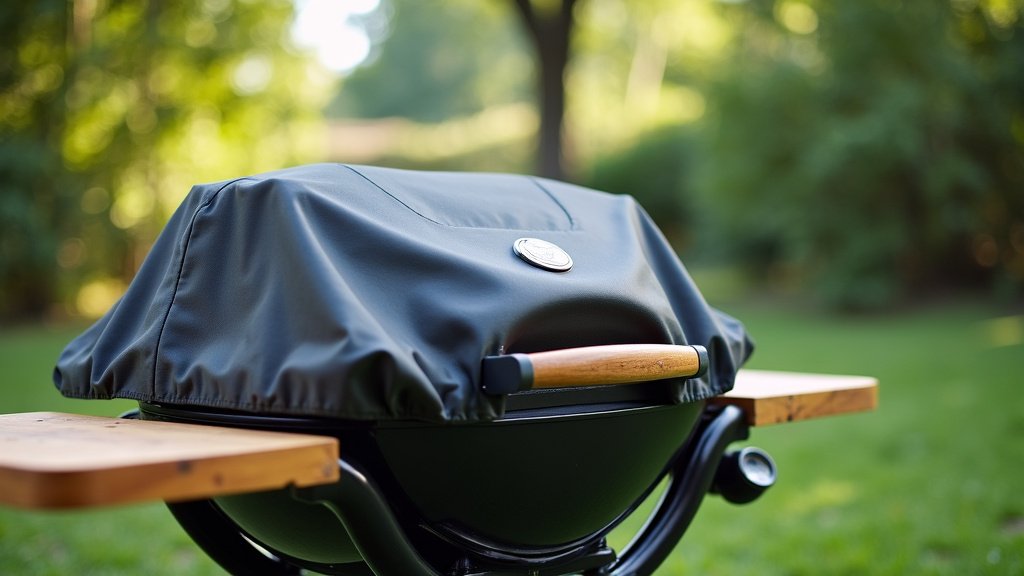
A grill cover is your first line of defense. Think of it as a raincoat for your grill. We found that a good cover makes a huge difference in preserving your investment.
- Material: Look for heavy-duty, weather-resistant materials like vinyl or polyester with a waterproof coating.
- Fit: Ensure it fits snugly but isn’t too tight. A cover that flaps in the wind can cause abrasion.
- Ventilation: Some covers have vents to prevent moisture buildup underneath, which is a great feature.
- Secure Straps: Straps or drawstrings help keep the cover on during windy conditions.
Even if you live in a mild climate, a cover protects against dust and sun exposure. It keeps your grill looking newer for longer and reduces the need for constant cleaning.
Consider Sheltered Storage Options
Beyond a cover, consider where your grill lives. Can you place it in a more sheltered spot? We found that moving it under an overhang or into a shed provides superior protection.
This could be under a patio awning, a carport, or inside a garage or shed when not in use. Even a partially covered area offers more protection than being completely out in the open. It adds an extra layer of defense against direct rain and harsh sun.
Seasonal Storage for Winter
If you live in an area with harsh winters, consider putting your grill into deeper storage. We found this can prevent damage from snow, ice, and extreme cold.
Clean it thoroughly, disconnect the propane tank (store it upright outdoors, away from your home), and cover it. If possible, wheel it into a garage or shed. This extra step ensures it’s ready to go when grilling season returns, without any unpleasant surprises.
Your Grill Protection Checklist
Taking care of your grill doesn’t require a lot of effort, but it pays off in the long run. Follow this simple checklist to keep your grill in top shape:
By following these steps, you’ll ensure your grill is always ready for your next cookout, and you’ll avoid the frustrations of rust and disrepair. A little prevention goes a long way in enjoying countless delicious meals outdoors.
Conclusion
While you technically can leave your grill outside uncovered, it’s clear it comes at a cost. Your grill’s longevity, performance, and appearance all suffer from constant exposure to the elements. We found that a small investment in protection now saves you significant money and frustration later.
By simply using a quality grill cover, and perhaps some sheltered storage, you’ll protect your investment. You’ll keep your grill rust-free and performing optimally for many years. Make the choice to protect your grill; you’ll thank yourself during countless delicious cookouts ahead.
Frequently Asked Questions
Can leaving a grill uncovered void its warranty?
Possibly. Many grill manufacturers’ warranties state that damage caused by improper maintenance or storage is not covered. Leaving it uncovered could be interpreted as neglecting proper care, especially if rust or weather-related damage occurs. Always check your specific warranty details.
Is it okay to leave a charcoal grill uncovered?
The same risks apply to charcoal grills as gas grills. Moisture will rust the metal components, and wind can blow ash and debris into the grill, making it dirtier and harder to light next time. It’s always best to cover or store any type of grill.
What if I only grill occasionally? Do I still need a cover?
Yes, even occasional use doesn’t exempt your grill from weather damage. In fact, prolonged periods of inactivity while exposed to the elements can accelerate degradation. A cover protects it during those times it’s sitting idle, waiting for your next cookout.
Can a grill cover trap moisture and cause rust?
A poorly fitting or non-breathable cover can trap moisture. That’s why we recommend covers with vents and ensuring they fit snugly but aren’t too tight. Allowing some airflow helps prevent condensation buildup underneath, which could lead to rust.
Where should I store my propane tank if the grill is covered?
Propane tanks should always be stored upright and outdoors, in a well-ventilated area, even when disconnected. Never store a propane tank indoors, in a garage, or in an enclosed shed. Keep it away from ignition sources and direct sunlight.
