
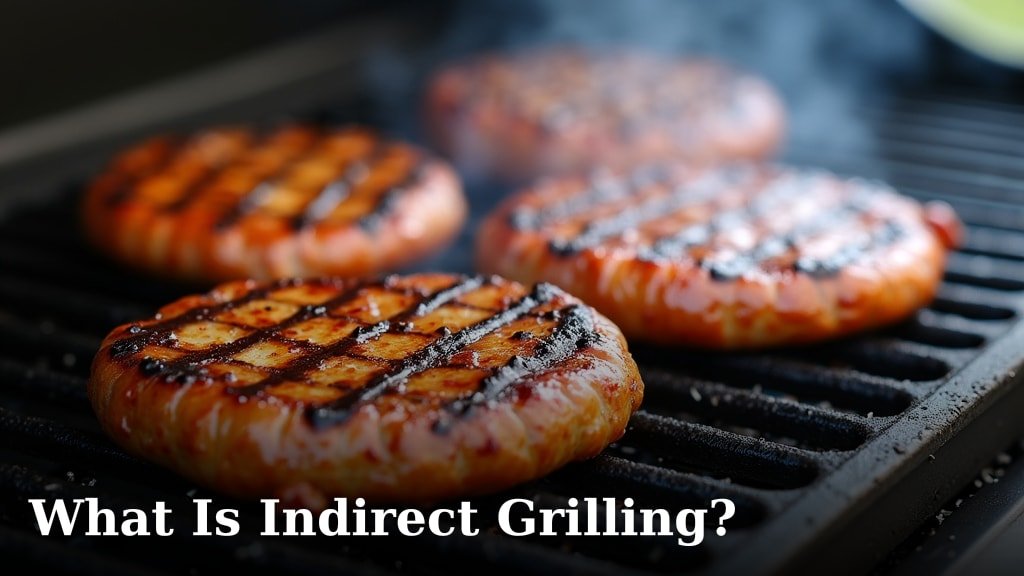
Indirect grilling is a cooking method where food cooks next to, not directly over, the heat source. It uses convection heat, much like an oven. This technique helps cook larger or more delicate foods evenly and gently.
Think of it as slow roasting on your grill. You place food away from the flames. This setup prevents burning and allows for a gentle cook. It’s perfect for foods that need more time and lower temperatures.
- Indirect grilling uses off-set heat.
- It cooks food gently and evenly.
- Best for larger cuts or delicate items.
- Prevents burning and drying out.
- Transforms your grill into an outdoor oven.
Ready to master your grill? Let’s walk through everything you need to know about indirect grilling and how it can change your barbecue game.
Understanding Indirect Grilling
Indirect grilling is a clever way to use your grill. It’s about cooking food with the heat source next to it, not directly underneath. Think of it as turning your grill into an outdoor oven. This method is ideal for larger cuts of meat or anything that needs a slower, more even cook.
You avoid the direct flame that can char the outside before the inside cooks through. Instead, the heat circulates around the food, cooking it gently from all sides. This convection cooking prevents burning and helps food stay juicy. It truly transforms your barbecue experience.
How Does Indirect Grilling Work?
The magic of indirect grilling lies in its heat distribution. You create zones on your grill: a hot zone for the coals or burners, and a cooler zone where the food sits. This setup allows for precise temperature control, much like an oven.
When you close the grill lid, the heat bounces around inside. It cooks the food evenly without direct exposure to intense flames. This technique is fantastic for items that traditionally take a long time, ensuring they cook through without drying out.
The Role of Convection Heat
Convection heat is central to indirect grilling. It’s the same principle that makes your kitchen oven work so well. Hot air circulates, transferring heat to the food from all directions. This means no more flipping every few minutes to prevent burning.
For example, imagine roasting a whole chicken in your oven. The heat surrounds it, cooking it evenly. Indirect grilling applies this same principle to your barbecue. It results in tender, juicy food every time, especially for thick items (USDA).
Direct vs. Indirect Grilling: Knowing the Difference
Many grillers start with direct grilling. It’s the classic method where food sits right over the heat source. This is perfect for quick-cooking items like thin steaks, burgers, or hot dogs. You get that satisfying sear and char marks quickly.
However, when you’re cooking something thicker, direct heat can be problematic. The outside might burn before the inside reaches a safe temperature. This is where indirect grilling steps in, offering a gentler, more forgiving cooking environment.
| Feature | Direct Grilling | Indirect Grilling |
|---|---|---|
| Heat Placement | Directly under food | Next to or around food |
| Cooking Speed | Fast | Slow to medium |
| Best For | Thin cuts, searing, quick cooking | Thick cuts, roasting, delicate items |
| Temperature | High heat | Medium to low heat |
| Outcome | Sear, char, quick cook | Tender, juicy, even cook |
Understanding when to use each method is key to becoming a grill master. Direct heat sears; indirect heat roasts. Sometimes, you’ll even use both techniques, starting with a sear and finishing with an indirect cook (often called “reverse searing”).
Setting Up Your Grill for Indirect Heat
Setting up your grill for indirect cooking is simpler than you might think. The method changes slightly depending on if you use a gas grill or a charcoal grill. But the goal is always the same: create a hot zone and a cool zone.
Don’t worry, we’ll walk you through each step. Once you master this setup, a whole new world of grilling possibilities opens up. You’ll be roasting chickens, smoking briskets, and even baking pizzas on your grill!
On a Gas Grill
Gas grills are incredibly easy to set up for indirect heat. You’ll use your burners to create the temperature zones. It’s all about strategic burner control.
- Turn on one or two burners to medium-low, typically on one side of the grill.
- Leave the other burners off. This creates your “cool zone” where the food will cook.
- Close the lid and allow the grill to preheat. Aim for a temperature range of 250°F to 350°F.
- Place your food over the unlit burners.
- Keep the lid closed as much as possible to maintain consistent heat.
We found that using the outer burners on a multi-burner grill often works best. This allows the heat to circulate more evenly around the food in the middle. Adjust the lit burners to maintain your desired temperature.
On a Charcoal Grill
Setting up a charcoal grill for indirect heat involves arranging your coals. It’s a bit more hands-on but offers fantastic smoky flavor. You’ll need charcoal briquettes or lump charcoal.
- Light your charcoal in a chimney starter. You want them mostly ash-covered and glowing.
- For a two-zone setup, push the hot coals to one side of the grill.
- Leave the other side empty. This is where your food will go.
- For larger grills or longer cooks, consider the “snake method” where you arrange coals in a C-shape around the perimeter, placing food in the middle.
- Place a drip pan under the food in the empty zone to catch drippings and add moisture.
- Put the cooking grate back on, close the lid, and let the grill come to temperature (250°F-350°F).
- Adjust vents to control airflow and temperature. More open means hotter.
Remember, charcoal grills offer a unique smoky taste that’s hard to beat. The drip pan is a small but mighty addition; it helps keep your food moist and catches flavorful juices (Food Network Kitchen). We found that maintaining consistent temperature is the biggest challenge with charcoal, so keep an eye on your grill’s thermometer.
Foods Perfect for Indirect Grilling
Indirect grilling truly shines with certain types of food. If you’ve struggled with undercooked insides or burnt exteriors in the past, this method is your solution. It’s all about giving food the time it needs to cook through gently.
What kind of foods are we talking about? Generally, anything that takes longer than 20-25 minutes to cook benefits greatly. Think of foods that you’d typically roast in an oven. Many experts say that delicate items also do well with this softer heat (Weber Grills).
The Best Candidates for Indirect Heat
Here’s a quick list of popular foods that are perfect for indirect grilling:
- Whole chickens or turkeys
- Large roasts (pork shoulder, beef roasts)
- Ribs (baby back, spare)
- Thick cuts of steak (after a quick sear)
- Delicate fish fillets (salmon, cod)
- Vegetables that need slow roasting (potatoes, corn on the cob)
- Pizzas or baked goods on the grill
Imagine a whole chicken with crispy skin and juicy meat, cooked to perfection on your grill. Or tender, fall-off-the-bone ribs. These are the results you can expect when you embrace indirect grilling. It opens up a whole new menu for your backyard cookouts.
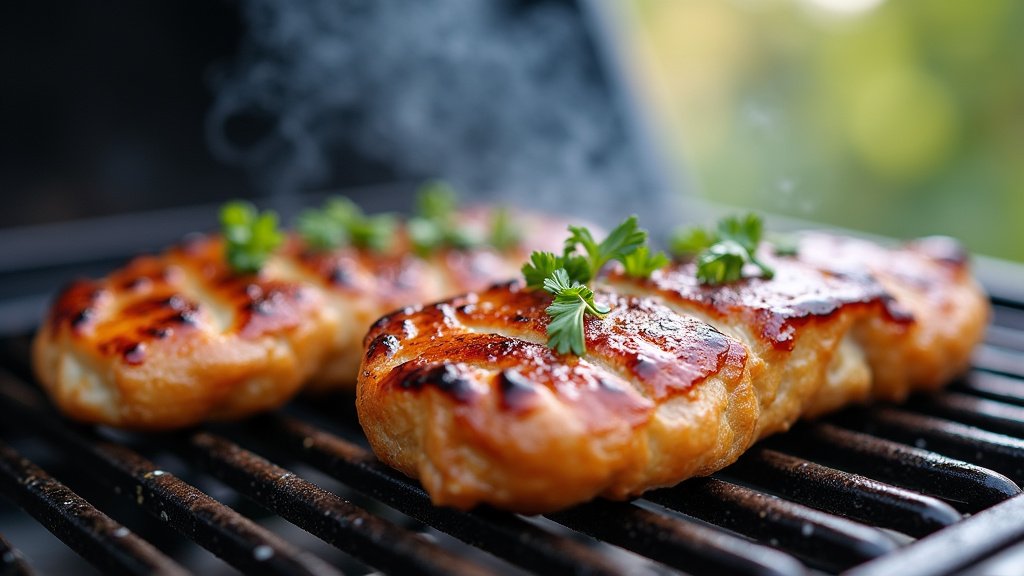
Tips for Successful Indirect Grilling
Ready to try indirect grilling? Here are some essential tips to help you get the best results. A little preparation and attention go a long way in achieving perfectly cooked food.
Your Indirect Grilling Checklist:
- Preheat Properly: Always allow your grill to reach the target temperature before adding food.
- Use a Drip Pan: Place it under your food to catch juices and add moisture (especially with charcoal).
- Invest in a Meat Thermometer: This is your best friend for ensuring food is cooked safely and perfectly.
- Keep the Lid Closed: Resist the urge to peek! Every time you open the lid, you lose heat and extend cooking time.
- Monitor Temperature: Keep an eye on your grill’s thermometer and adjust heat as needed.
- Add Wood Chips (Optional): For extra smoky flavor, add a foil packet of soaked wood chips to the hot zone.
Remember, patience is a virtue in indirect grilling. It’s a slower process, but the delicious, tender results are well worth the wait. You’ll gain confidence with each cook, and soon you’ll be an indirect grilling pro!
Conclusion
You now have a solid understanding of indirect grilling. You’ve seen how it transforms your grill into an outdoor oven, perfect for cooking larger items or delicate foods. This technique prevents burning and ensures everything cooks evenly. By mastering setup on both gas and charcoal grills, you open up a world of new culinary possibilities.
So, grab your grill tools and a reliable meat thermometer. It’s time to try out this gentler, more forgiving grilling method. Your taste buds will thank you, and you’ll soon wonder how you ever grilled without it.
Frequently Asked Questions
Can I smoke food using indirect grilling?
Absolutely! Indirect grilling is the foundation for smoking on your grill. You achieve low, consistent temperatures which are essential for infusing food with smoky flavor. Just add wood chips or chunks to your heat source, and you’re good to go.
How do I maintain a consistent temperature during indirect grilling?
For gas grills, adjust the lit burners to fine-tune the heat. On charcoal grills, control airflow using the bottom and top vents. Smaller vent openings reduce oxygen, lowering the temperature. Keep the lid closed as much as possible.
What’s the best way to add moisture when indirect grilling?
Using a drip pan filled with water, broth, or even beer placed under your food is excellent. This adds steam to the grill, keeping your food moist. It also catches drippings, making cleanup easier and preventing flare-ups.
Can I sear meat on a grill set for indirect cooking?
Yes, you can! Many people use a “reverse sear” technique. You cook your meat indirectly until it’s almost done, then move it to the direct heat zone for a quick, high-temperature sear. This creates a fantastic crust while keeping the inside tender.
Is indirect grilling only for large cuts of meat?
Not at all. While excellent for roasts and whole poultry, indirect grilling also works wonderfully for delicate items like fish fillets, vegetables you want to roast until tender, or even pizzas. It prevents burning and ensures an even cook.
