
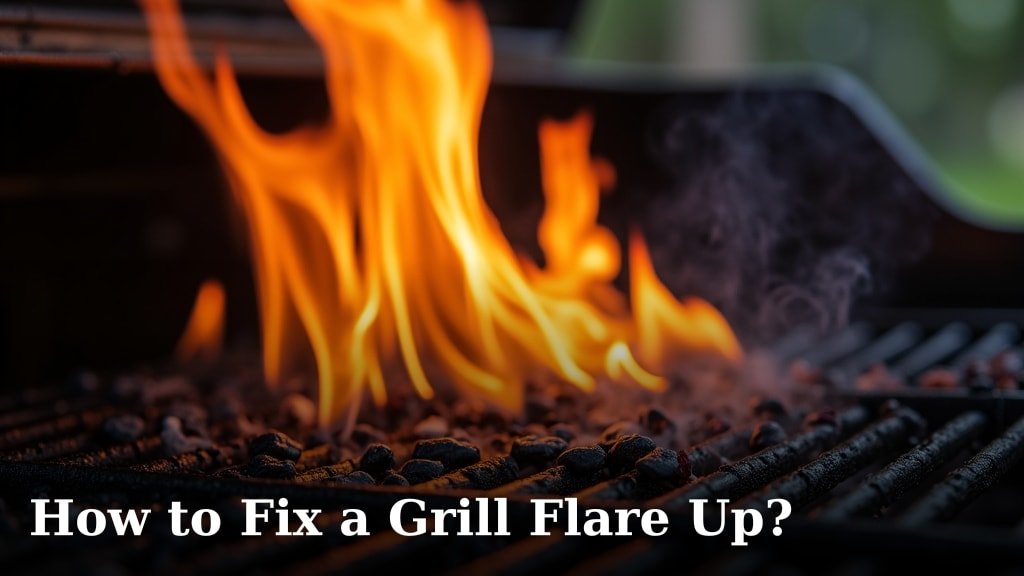
To fix a grill flare up, the quickest way is to close the lid and turn off the burners, which cuts off oxygen and fuel to the flames. This immediate action helps prevent your food from burning and keeps your grill safe.
Flare-ups happen when fat or marinades drip onto hot grill grates or burners, causing flames to shoot up. While common, they can damage your food and even your grill if not handled quickly. We found that staying calm and knowing these simple steps will keep your grilling fun and safe.
- Close the lid to starve the fire of oxygen.
- Turn off the burners or gas supply immediately.
- Move food to a cooler part of the grill, if possible.
- Never use water on a grease fire.
- Wait for flames to subside before opening the lid.
Let’s walk through exactly how to handle these fiery surprises so you can get back to perfectly cooked food without the drama.
Handling Grill Flare-Ups Safely
When you see flames suddenly jump up from your grill, it can be a little startling. But don’t worry! We found that knowing a few quick steps helps you stay calm and in control. The goal is always to keep you, your food, and your grill safe.
Flare-ups usually happen when grease or marinades drip onto very hot surfaces. This creates extra fuel for the fire. Your quick reaction is key here.
Immediate Actions When a Flare-Up Occurs
So, you’ve got a flare-up. What’s the very first thing you should do? We found that acting fast makes all the difference. Your primary goal is to cut off the fire’s fuel and oxygen.
Close the Grill Lid
This is often your most effective first step. By closing the lid, you immediately starve the flames of oxygen. Think of it like putting a lid on a pot to smother a small kitchen fire. The fire needs air to burn, and closing the lid removes it.
Many experts agree this simple action can prevent a small flare-up from becoming a bigger problem. Just make sure to close it all the way.
Turn Off the Burners or Gas Supply
After closing the lid, your next critical step is to turn off the heat source. For gas grills, this means turning the burner knobs to the “off” position and, if possible, closing the gas tank valve. This immediately stops the flow of fuel.
If you have a charcoal grill, you can’t turn off burners. Instead, try to spread out the coals to reduce their intensity, if it’s safe to do so with tongs. Or, if the flare-up is severe, carefully remove the grate and douse the coals in a metal bucket of sand.
Move the Food Away
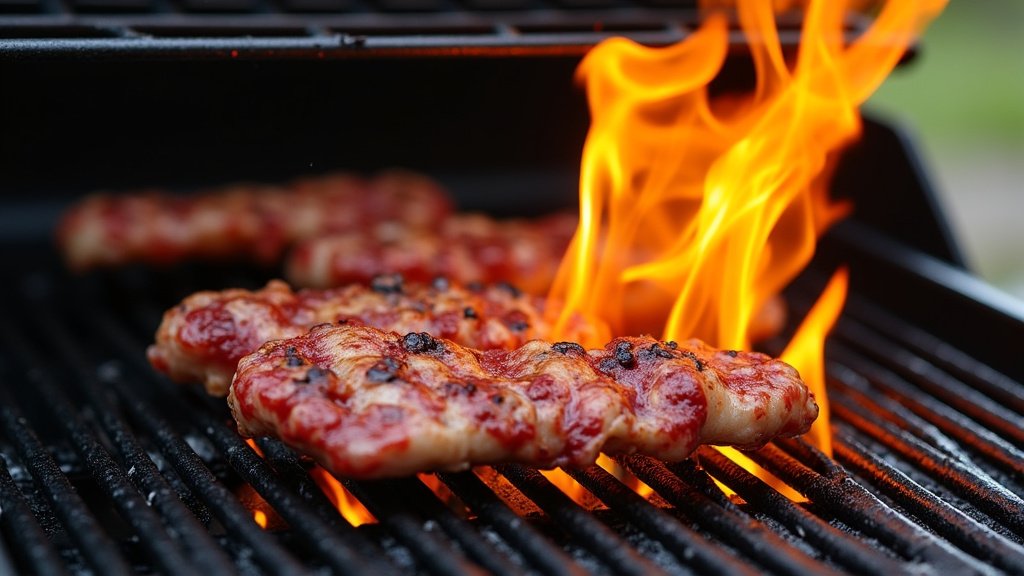
If you can safely do so without getting burned, try to move the food causing the flare-up to a cooler part of the grill. This prevents your food from getting charred or catching fire itself. Sometimes, just sliding it over a few inches makes a big difference.
This also helps reduce the amount of dripping grease, which is often the main culprit behind the flames.
What NOT to Do During a Grill Flare-Up
Just as important as knowing what to do is understanding what not to do. Some common reactions can actually make the situation worse. We want to keep you safe and prevent any accidents.
Never Use Water on a Grease Fire
This is a big one. It’s a natural instinct to grab a hose or a bucket of water when you see flames. But with a grease fire, water can be extremely dangerous. Water causes hot grease to splatter and spread, which can expand the fire and cause severe burns.
Remember, grease fires need to be smothered, not watered down. This is why closing the lid is so effective.
Don’t Leave the Grill Unattended
Even if the flare-up seems minor, do not walk away from your grill. Things can escalate quickly. Stay nearby and monitor the situation until the flames have completely subsided. Your presence ensures you can react if the fire re-ignites or spreads.
It’s always a good idea to keep a fire extinguisher (rated for grease fires, Class B) or a bucket of sand/baking soda nearby when grilling, just in case (National Fire Protection Association).
After the Flames Subside: What’s Next?
Okay, the flames are gone. You’ve handled it like a pro! But your grilling adventure isn’t quite over yet. There are a few things to consider before you get back to cooking or clean up.
Assess the Situation and Your Food
Once the grill has cooled down a bit and it’s safe to open the lid, take a look. How does your food look? Is it severely charred, or just a little smoky? If it’s too burned, it might be best to discard it and start fresh. Your health and enjoyment are top priorities.
Also, check your grill components. Are there any visible signs of damage? Sometimes, intense flare-ups can affect burner covers or grates, making them brittle or warped.
Clean Up Any Residue
After the grill is completely cool, you’ll likely find some extra residue from the flare-up. This is a good time to scrape down your grates and clean out any excessive grease in the drip tray. A clean grill is a happy grill, and a safer grill.
Removing built-up grease helps prevent future flare-ups, which we’ll discuss more later.
Preventing Future Grill Flare-Ups
The best way to fix a flare-up is to prevent it from happening in the first place! A little preparation and ongoing maintenance can significantly reduce your chances of experiencing these fiery surprises. We found that a few simple habits go a long way.
Pre-Grill Checklist: Your Safety Net
Before you even light your grill, run through this quick checklist. It helps you catch potential problems early and ensures a smoother, safer grilling experience:
- Clean Grates: Are your grates free of old food debris and grease?
- Trim Fat: Have you trimmed excess fat from your meats?
- Manage Marinades: Is your food properly drained of extra marinade before going on the grill?
- Check Drip Tray: Is your grease drip tray empty and clean?
- Clear Surroundings: Is the area around your grill clear of flammable items?
- Tools Handy: Do you have tongs, a spatula, and a fire extinguisher/sand bucket within reach?
This small routine can make a huge difference in keeping your grill nights enjoyable and flare-up free.
Maintain Your Grill Regularly
Just like your car, your grill needs regular care. We found that consistent cleaning prevents most flare-ups. Grease buildup is the number one cause, so tackle it often.
For gas grills, cleaning burner covers and the area around them is crucial. For charcoal, make sure to remove ash after each use. A well-maintained grill performs better and is much safer.
Understanding Heat Zones
Learning to use different heat zones on your grill can also help. Many grills have hotter and cooler spots. By understanding where your flare-ups are most likely to occur (usually over direct, high heat), you can plan your cooking better.
You can also use indirect heat for fattier foods to render some of the fat before moving them to direct heat for a final sear. This reduces the amount of grease dripping directly onto the flames.
Conclusion
You now have the tools to handle a grill flare-up like a seasoned pro. We’ve shown you that quick action, like closing the lid and cutting off the gas, is your best defense. Remembering what not to do, especially never using water, keeps you safe.
More importantly, consistent grill maintenance and smart cooking habits are your best prevention. Keep your grates clean, manage grease, and always keep an eye on your grill. With these tips, you’ll enjoy many more safe and delicious backyard cookouts.
Frequently Asked Questions
Is it normal for a grill to flare up often?
Occasional small flare-ups can be normal, especially when cooking fatty meats. However, frequent or large flare-ups usually signal a need for better cleaning or maintenance. Built-up grease is often the main culprit.
How can I tell if my grill is too hot for what I’m cooking?
If food chars quickly on the outside but stays raw inside, your grill is likely too hot. Also, if grease drips cause immediate, large flames, you might need to lower your temperature. Use an accurate grill thermometer for best results.
Can old food debris cause a flare-up?
Yes, absolutely. Leftover food particles and charred bits on your grill grates can ignite. They become fuel for flames when new grease drips onto them. Always clean your grates thoroughly after each use.
What kind of fire extinguisher should I have near my grill?
For grill fires, you need a Class B fire extinguisher, which is designed for flammable liquids like grease. A Class ABC extinguisher is a good all-purpose option to keep handy. A bucket of sand or baking soda also works to smother small grease fires.
Should I remove the food immediately when a flare-up starts?
Only if you can do so safely and quickly without burning yourself. Your first priority is to cut off the oxygen and fuel by closing the lid and turning off the burners. Moving the food is a secondary step once the immediate danger is managed.
