
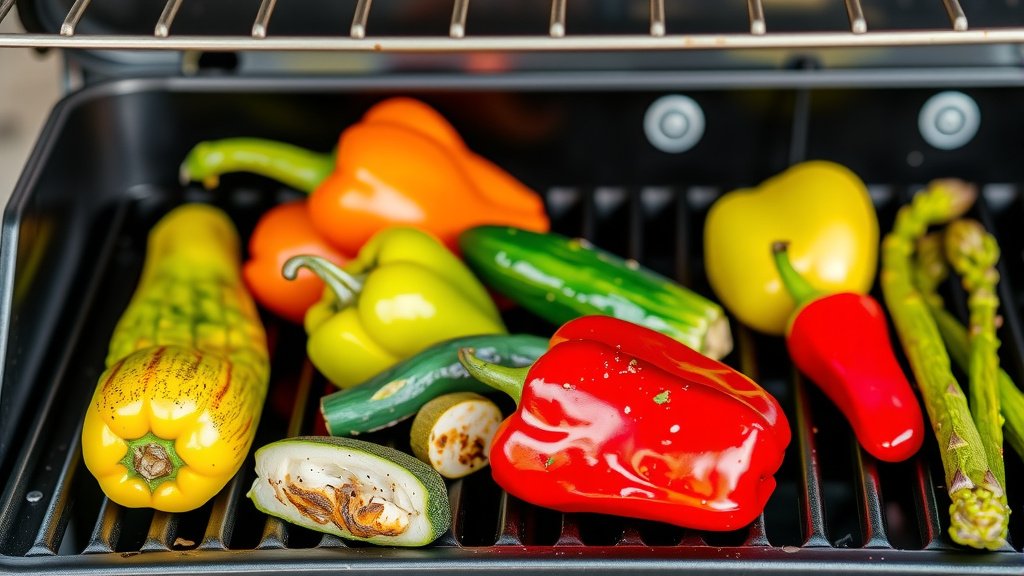
To grill vegetables on a gas grill, you first prepare your chosen veggies with oil and seasoning, then preheat your grill to medium-high heat (around 375-450°F) for direct grilling, turning often until tender-crisp.
Many experts say that using a grill basket or foil packet works best for smaller, more delicate vegetables, preventing them from falling through the grates and ensuring even cooking.
- You can grill vegetables on a gas grill by prepping them with a light coat of oil and your favorite seasonings.
- Preheat your grill to a medium-high temperature for best results.
- Always keep a close eye on your veggies, turning them frequently to prevent burning.
- Grilling adds a delicious smoky flavor and a tender-crisp texture.
- Remember that different vegetables will have varying cooking times, so group similar ones together.
How Do You Grill Vegetables On A Gas Grill?
Grilling vegetables on a gas grill is simple and transforms their flavor into something truly special. You will get amazing results by preparing them well and managing your grill heat.
Why Grill Your Veggies?
Ever wonder why grilled vegetables taste so much better? It is not just your imagination. The grill brings out incredible qualities.
Flavor Boost
When vegetables hit the hot grill grates, they develop a wonderful caramelization. This process, often called the Maillard reaction, adds deep, smoky, and sweet notes that boiling or steaming simply cannot match. It is like giving your veggies a flavor superpower!
Healthy Choice
Grilling is a fantastic way to enjoy vegetables without much added fat. You use just a touch of oil for flavor and to prevent sticking. Many guidelines point to grilling as a healthy cooking method (Mayo Clinic).
Choosing Your Veggies Wisely
Not all vegetables are created equal for grilling. Some hold up better to the direct heat. Picking the right ones makes a big difference.
Best Picks for Grilling
- **Bell Peppers:** Cut into large strips, they become sweet and smoky.
- **Zucchini and Yellow Squash:** Slice them lengthwise for beautiful grill marks.
- **Asparagus:** A little char on these spears is incredibly delicious.
- **Onions:** Thick slices turn sweet and tender.
- **Eggplant:** Slice into rounds or planks; it soaks up flavor wonderfully.
- **Mushrooms:** Large portobello caps are perfect, or skewer smaller ones.
- **Corn on the Cob:** Grill it in the husk for steamed sweetness or directly for char.
Prep Work Matters
Before any grilling begins, your vegetables need a little attention. Proper preparation ensures they cook evenly and taste their best. You want them cleaned, trimmed, and ready for flavor.
Gas Grill Setup for Veggies
Your gas grill is a versatile tool. Setting it up correctly ensures your vegetables get that perfect char without burning. Think of your grill as having different cooking zones.
Clean Grill Grates
A clean grill is a happy grill, especially for vegetables. Food sticks to dirty grates. Always preheat your grill and then brush the grates clean with a stiff wire brush. This step prevents your delicate veggies from tearing apart.
Heat Zones
Gas grills offer the advantage of creating different heat zones. This is great for managing various vegetables. We found that a two-zone setup works best for most grilling.
| Zone Type | Temperature | Best For |
|---|---|---|
| Direct Heat | Medium-High (375-450°F) | Quick-cooking veggies like asparagus, peppers, zucchini. |
| Indirect Heat | Low-Medium (250-325°F) | Thicker veggies like corn on the cob (in husk), whole potatoes. |
Prepping Your Vegetables
This is where the magic begins. A little prep makes a big impact on the final taste and texture of your grilled vegetables. Do not skip these important steps.
Cutting Techniques
Consistency is key. Cut your vegetables into roughly uniform sizes and shapes. This helps them cook at the same rate. For instance, slice zucchini lengthwise for planks, and peppers into wide strips. Smaller, delicate veggies might benefit from being skewered.
Oiling and Seasoning
A light coat of oil prevents sticking and helps seasonings adhere. We recommend a neutral oil like olive oil or avocado oil. Then, add your favorite seasonings. Salt, black pepper, garlic powder, and a touch of paprika are often wonderful choices. Do not be shy with the flavor!
Grilling Methods for Success
There are a few ways to grill vegetables, each suited for different types. Knowing which method to use will make you a grilling pro. It is about matching the tool to the task.
Direct Grilling
This method is for vegetables that cook relatively quickly. Place your oiled and seasoned veggies directly over the lit burners. Close the lid to help them cook through, but check and turn frequently. You are looking for tender-crisp results and nice grill marks.
Using a Grill Basket
For smaller items like cherry tomatoes, chopped onions, or mushrooms, a grill basket is your best friend. It keeps everything contained and prevents pieces from falling into the grill. Just toss the veggies occasionally in the basket for even cooking.
Foil Packets
This method creates a mini steam oven on your grill. It is perfect for root vegetables or mixes that need more time to soften. Simply toss your prepped veggies with oil and seasoning, wrap them tightly in foil, and place the packet on the indirect heat zone. The veggies will steam and become wonderfully tender.
Mastering Grill Time
How long do you leave them on? This is the million-dollar question! The truth is, it varies. However, you can learn to recognize the signs of perfectly grilled vegetables.
Doneness Cues
Look for these signs to know when your vegetables are ready:
-
Slightly Tender: A fork should easily pierce the vegetable.
-
Visible Grill Marks: Look for nice dark lines from the grates.
-
Lightly Charred Edges: A little char adds incredible flavor.
-
Brightened Colors: Cooked veggies often show more vibrant hues.
-
Sweet Aroma: You will notice a pleasant, caramelized smell.
Common Mistakes to Avoid
Even experienced grillers can make simple errors. Being aware of these common pitfalls helps you achieve perfect results every time. Learning from others’ experiences saves you trouble.
One frequent mistake is overcrowding the grill. This drops the grate temperature and steams your veggies instead of grilling them. Cook in batches if you need to.
Another common issue is uneven cutting. If your pieces are different sizes, some will burn while others remain raw. Aim for consistency.
Serving Your Grilled Veggies
Once your vegetables are beautifully grilled, it is time to serve them up! A tiny dash of fresh herbs or a squeeze of lemon juice can brighten their flavor even more. Think about how they complement your main dish.
Many experts say that grilled vegetables are delicious on their own, or as a vibrant side. They also make a fantastic addition to salads, pasta, or wraps. Your creativity is the only limit.
Conclusion
Grilling vegetables on a gas grill is a rewarding experience that adds amazing flavor to your meals. By understanding your grill, preparing your veggies thoughtfully, and monitoring their cooking, you will consistently achieve delicious results. Remember to keep your grill clean, manage your heat, and not be afraid to experiment with different vegetables and seasonings. Happy grilling!
How hot should a gas grill be for vegetables?
Many experts say that a medium-high heat, between 375-450°F, is ideal for most vegetables on a gas grill. This temperature range creates good grill marks and cooks the vegetables through without burning them too quickly. For thicker items like potatoes, a slightly lower temperature with indirect heat can be helpful.
Should you oil vegetables before grilling?
Yes, you should definitely oil vegetables before grilling. A light coating of oil, like olive or avocado oil, helps prevent the vegetables from sticking to the grill grates. It also helps conduct heat, promotes even cooking, and allows seasonings to adhere better, enhancing overall flavor and texture.
What vegetables cook well together on the grill?
Vegetables with similar cooking times cook well together on the grill. Good pairings include bell peppers, zucchini, yellow squash, and onions, as they all become tender-crisp in about 5-10 minutes. Asparagus also grills quickly. For items like corn on the cob or thicker potatoes, consider separate cooking zones or methods like foil packets.
How do I prevent vegetables from falling through the grill grates?
To prevent vegetables from falling through the grill grates, cut them into larger, uniform pieces (like thick planks or large strips). For smaller or chopped vegetables, using a grill basket or skewers is an excellent solution. Foil packets can also contain smaller items, ensuring none are lost.
Can you grill frozen vegetables on a gas grill?
We found that grilling frozen vegetables directly on a gas grill is generally not recommended. They often release too much moisture, leading to a steamed rather than grilled texture. For best results, thaw frozen vegetables first, pat them dry, and then oil and season them as you would fresh vegetables before grilling.
