
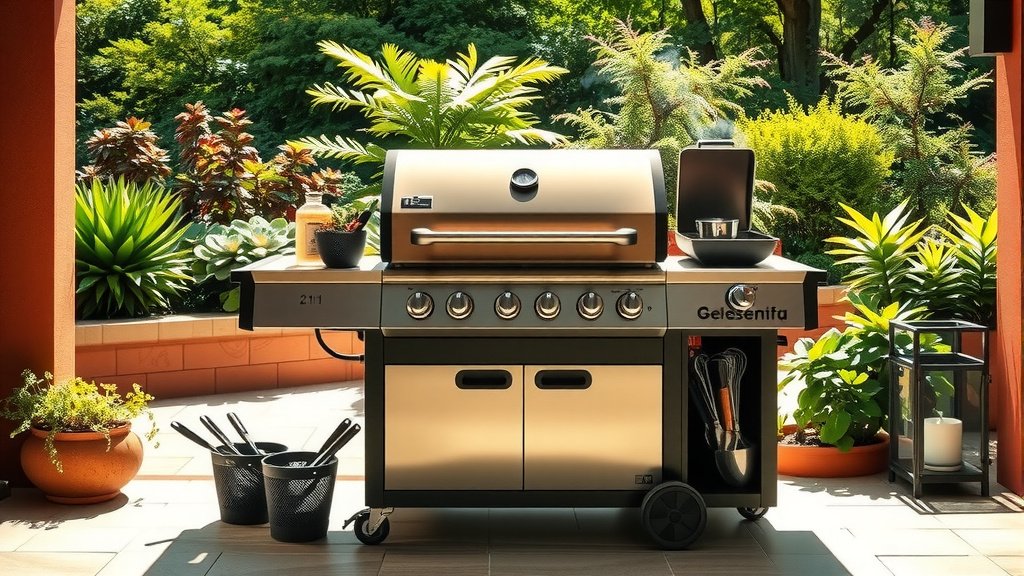
To use an outdoor grill, start by ensuring it’s clean and safe, then choose your fuel—charcoal or gas—and preheat it to the desired temperature before placing your food on the grates.
Mastering how to use outdoor grill involves understanding heat zones, proper cooking techniques, and essential safety measures to ensure delicious and safe meals.
- Always check your grill for cleanliness and safety before starting.
- Select your fuel type, either charcoal or gas, based on your preference.
- Preheat your grill to the correct temperature for what you are cooking.
- Place food on clean, oiled grates and monitor closely for even cooking.
- Clean your grill immediately after use for easier maintenance and longevity.
How To Use Outdoor Grill?
Using an outdoor grill means preparing your equipment, lighting it safely, and controlling the heat to cook food perfectly.
It’s about bringing people together for a great meal outdoors.
Getting Started with Your Outdoor Grill
Before you even think about lighting a flame, you need to get organized. Think of it like setting up your cooking station for success.
Having everything ready helps you relax and enjoy the grilling process, rather than scrambling.
Choosing Your Fuel Source
Your first decision is usually about fuel. Are you a fan of the classic smoky flavor from charcoal, or do you prefer the instant control of gas?
Both have their advantages, and many grillers swear by one over the other (Weber).
Gas grills heat up fast and offer easy temperature adjustments, while charcoal grills provide a distinct taste.
Essential Grilling Tools You’ll Need
Having the right tools is like having the right paintbrushes for an artist. You wouldn’t want to flip a burger with a spoon, would you?
- Long-handled tongs for flipping.
- A sturdy spatula for burgers and fish.
- A grill brush for cleaning grates.
- A meat thermometer for food safety.
- Heat-resistant gloves for protection.
Safety First: Before You Light Up
Grilling is fun, but safety should always come first. You’re working with fire, after all.
A few simple checks can prevent accidents and keep everyone safe.
Pre-Grill Safety Checklist
Before any cooking session, it’s smart to quickly go through a checklist. This makes sure your experience is not only delicious but also secure.
Many experts say a quick check can prevent most grilling mishaps (NFPA).
- Is your grill on a stable, level surface away from flammable items?
- Are gas lines free of leaks, or is your charcoal chimney intact?
- Do you have a fire extinguisher or a bucket of sand nearby?
- Is the grill lid opening and closing smoothly?
- Are children and pets kept at a safe distance from the hot grill?
Firing Up Your Grill
Now for the exciting part: getting that flame going! The method varies depending on your grill type.
Always follow your grill manufacturer’s specific instructions for the safest start.
Lighting a Charcoal Grill
Charcoal grilling begins with preparing your briquettes or lump charcoal. A charcoal chimney starter is your best friend here.
Fill the chimney with charcoal and place some newspaper or a fire starter cube underneath.
Once the coals are ash-gray, carefully pour them onto the grill grate or into charcoal baskets.
Igniting a Gas Grill
Lighting a gas grill is generally quicker and simpler. First, open the lid to prevent gas buildup.
Turn on the gas supply from the propane tank. Then, turn one burner to high and press the igniter button.
Once lit, turn on the other burners, close the lid, and let it preheat. Many grill experts emphasize the importance of proper preheating for best results (Mayo Clinic).
Mastering Temperature Control
Understanding heat is the secret to great grilling. Different foods need different temperatures.
Learning your grill’s hot and cool spots will make you a grilling wizard.
| Temperature Level | Approximate Range | Best For |
|---|---|---|
| Low Heat | 225-275°F (107-135°C) | Slow cooking, smoking, delicate fish |
| Medium Heat | 300-350°F (149-177°C) | Chicken, sausages, thicker fish fillets |
| Medium-High Heat | 350-400°F (177-204°C) | Burgers, steaks, chops, vegetables |
| High Heat | 400-500°F (204-260°C) | Searing, thin steaks, quick grilling |
Preparing Your Food for the Grill
While your grill preheats, it’s time to get your ingredients ready. This step is where flavor truly begins.
A little preparation goes a long way for mouth-watering results.
Marinades and Seasonings
Marinades add flavor and can tenderize meat. Seasonings provide a delightful crust and aroma.
Apply your marinades hours before, or simply season your food just before grilling.
Don’t be shy with your favorite rubs and spices!
Keeping It Clean: Grates
Always start with clean grates. Food sticks less, and you get better sear marks.
Preheat your grill, then use a sturdy grill brush to scrape off any residue.
After brushing, lightly oil the grates with a high-smoke-point oil, like canola or grapeseed, using a paper towel held by tongs.
The Art of Grilling: Cooking Your Meal
This is where your skills shine! Placing food on the grill requires some thought and technique.
You’re not just cooking; you’re creating a culinary experience.
Direct vs. Indirect Heat
Understanding direct and indirect heat zones is a game-changer. Direct heat is right over the flame, for searing and quick cooking.
Indirect heat is away from the flame, for slower cooking or larger cuts (Food Network).
Use direct heat for thin items and indirect for items needing longer cooking times.
Flipping and Checking Doneness
Resist the urge to constantly flip your food. Generally, flip once for most items to get a good crust.
For doneness, an instant-read meat thermometer is your best friend. We found that it is far more reliable than guessing.
Check the thickest part of the meat without touching the bone to ensure it reaches a safe internal temperature (USDA).
Cleaning Up After the Feast
The cooking is done, and everyone is happy. But don’t forget the cleanup!
A clean grill is a happy grill, ready for its next adventure.
Post-Grill Maintenance Tips
Cleaning your grill while it’s still warm makes a big difference. It’s much easier to scrape off food residue.
After scraping, turn off the fuel, let it cool completely, and wipe down exterior surfaces.
For gas grills, occasionally clean burner ports; for charcoal, empty cooled ashes.
Conclusion
Using an outdoor grill is more than just cooking; it’s an experience that brings flavor and joy to your backyard. With proper setup, safety checks, and a little practice, you’ll be grilling like a pro.
Remember to prepare your food, manage your heat, and always clean up. Enjoy those delicious moments outdoors!
What is the best way to preheat a gas grill?
To preheat a gas grill, open the lid, turn on the gas, light all burners to high, close the lid, and allow it to heat for 10-15 minutes until it reaches the desired temperature.
How do I know when my charcoal grill is ready for cooking?
Your charcoal grill is ready when the coals are mostly covered in a light gray ash. This usually takes about 15-20 minutes after lighting them in a chimney starter.
Is it necessary to oil the grill grates before cooking?
Yes, it’s highly recommended to lightly oil clean grill grates before cooking. This helps prevent food from sticking and creates those appealing sear marks.
What’s the difference between direct and indirect grilling?
Direct grilling cooks food directly over the heat source for quick searing, while indirect grilling cooks food away from the heat for slower, more even cooking of larger items.
How often should I clean my outdoor grill?
You should clean your grill grates after every use, preferably while still warm. A deeper clean, including the interior and grease tray, is recommended every 3-4 uses or seasonally.
