
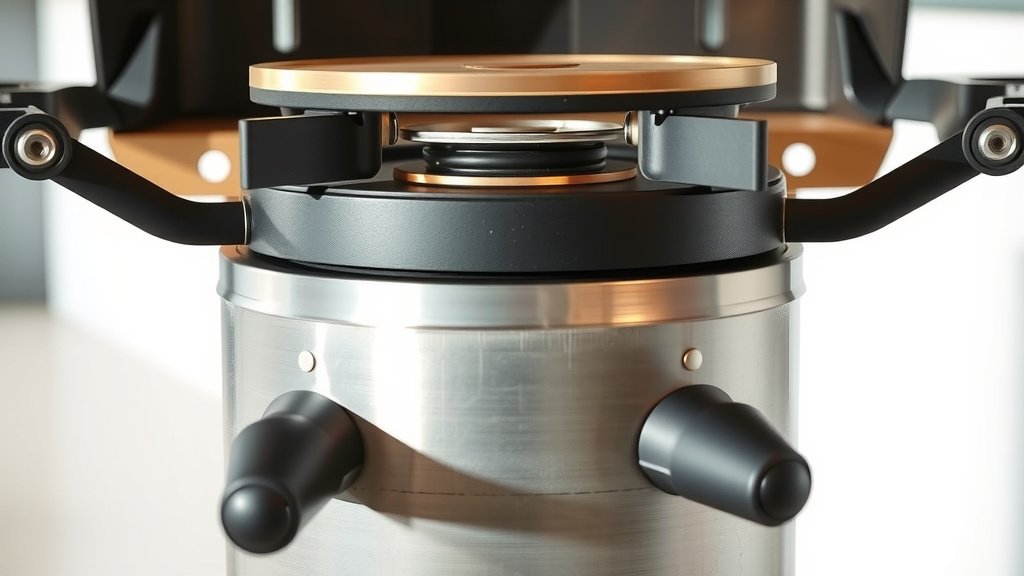
To fix the igniter on your gas grill, first confirm your gas supply is active and the lines are clear, then clean and adjust the spark electrode and its wire connections.
Often, a non-lighting gas grill igniter can be resolved by checking the igniter module’s battery, tightening connections, or removing debris from the burner ports and igniter tip.
Here’s a quick summary to get your grill sparking:
- Always start by checking your gas tank and regulator; they are common culprits.
- Clean your burner ports and the igniter electrode—grease and food debris block sparks.
- Ensure all igniter wires are connected tightly and aren’t corroded or damaged.
- Replace the AA or AAA battery in your igniter module if your grill uses one.
- Safety is key; turn off the gas before any inspection or repair work.
How To Fix Igniter On Gas Grill?
Getting your gas grill to light up is usually straightforward, but when the igniter fails, it can be frustrating. Don’t worry, you can typically fix this issue with some simple troubleshooting steps right at home.
Why Isn’t Your Grill Lighting? The Common Culprits
Before you dive into the igniter itself, let’s look at the most common reasons your grill might not be sparking. Often, the problem isn’t the igniter at all!
Checking Your Gas Supply
Is your gas tank full? This might sound obvious, but it’s a very frequent reason for a grill not lighting. We’ve found many grilling sessions get paused because of an empty propane tank.
Next, check the regulator. This is the part that connects your tank to the grill. Make sure it’s securely tightened to the tank valve. Sometimes, if you open the tank valve too quickly, the regulator’s safety mechanism might “trip,” restricting gas flow (Consumer Reports).
To reset it, turn off both the grill burner knobs and the tank valve. Disconnect the regulator from the tank, wait a minute, then reattach it firmly. Open the tank valve slowly, then try lighting the grill.
Are Your Gas Lines Clear?
Gas needs a clear path! Small insects, especially spiders, love to build nests inside the venturi tubes—the pipes leading from the valve to the burners. These blockages prevent gas from reaching the igniter area.
You can often clear these tubes with a wire brush or a long, flexible brush designed for this purpose. Always ensure the gas supply is off before poking around inside your grill’s tubes.
The Igniter System: Components and Checks
If the gas supply is fine, then it’s time to focus on the igniter system itself. This involves a few key parts working together.
Inspecting the Electrodes
The igniter electrode is the small, ceramic-tipped rod that creates the spark. Over time, grease, food bits, and corrosion can build up, preventing a strong spark. Take a moment to visually inspect it.
Is it clean? If not, gently scrub the tip with a wire brush or fine sandpaper to remove any debris. Also, check the gap between the electrode tip and the burner. There should be a small, consistent gap—usually about 1/8 to 1/4 inch—for the spark to jump effectively (Gas Grill Manufacturers Association guidelines).
Troubleshooting the Igniter Wire
The igniter wire connects the electrode to the igniter module. These wires can sometimes come loose or get damaged from heat or rodents. Trace the wire from the electrode back to the module.
Are all connections secure? Are there any visible frayed spots or burns on the insulation? If you find a loose connection, push it firmly back into place. A damaged wire will need replacement.
Is Your Igniter Module Working?
Many gas grills use an electronic igniter module powered by a battery. If your grill makes a clicking sound but doesn’t spark, or makes no sound at all, this could be the issue.
Locate the igniter module, often found near the control panel. Replace the AA or AAA battery inside. We’ve found that a fresh battery often solves mysterious ignition problems instantly.
Cleaning and Maintenance Steps
Regular cleaning is your grill’s best friend. It not only keeps it running well but also helps prevent igniter issues.
A Quick Grill Cleaning Checklist
Keep these points in mind for regular grill care:
- Clean grate after each use.
- Brush burner ports regularly.
- Wipe down igniter electrode.
- Clear out grease trays.
- Check gas lines for blockages.
When to Consider Replacement Parts
Sometimes, despite your best efforts, a component might be beyond repair. Knowing when to replace parts can save you time and frustration.
| Problem | Likely Cause | Recommended Action |
|---|---|---|
| No spark after cleaning and battery change | Faulty igniter module or electrode | Replace igniter module or electrode. |
| Gas smell but no flame | Blocked burner ports or venturi tube | Clean thoroughly; replace burner if heavily corroded. |
| Weak or intermittent spark | Corroded igniter wire or loose connection | Clean connections; replace wire if damaged. |
| Regulator clicks, no gas flow | Tripped regulator safety feature | Reset regulator; if persistent, replace regulator. |
Safety First: What You Need to Know
Working with gas appliances requires care. Always turn off the gas at the tank or main supply before you start any repair or inspection. Never work on a hot grill.
If you smell gas persistently or notice any leaks, turn off the supply immediately and do not attempt to light the grill. We advise contacting a professional for any significant gas leaks (National Fire Protection Association guidelines).
Conclusion
Fixing your gas grill igniter is often a straightforward process involving checking your gas supply, cleaning key components, and ensuring connections are tight. Most issues stem from simple blockages or a dead battery, not a major malfunction. By following these steps, you can get back to grilling your favorite meals quickly and safely. Remember, a little maintenance goes a long way in keeping your grill in top shape for many seasons to come.
Can I light my gas grill manually if the igniter is broken?
Yes, you absolutely can light your gas grill manually if the igniter isn’t working. Just open the grill lid, turn the gas to one burner to “low,” and then immediately use a long lighter or a match to ignite the gas at the burner port. Be very careful and keep your face and hands clear of the burner area.
How often should I clean my gas grill’s igniter and burner ports?
Many experts recommend a quick clean of your burner ports and igniter electrode every few uses, especially if you cook greasy foods. A thorough cleaning, including checking venturi tubes, should be done at least once or twice a grilling season to prevent buildup.
What tools do I need to fix a gas grill igniter?
You’ll typically need some basic tools: a wire brush (or fine sandpaper), a screwdriver (Phillips or flathead, depending on your grill), possibly a small wrench for gas line connections, and a replacement AA or AAA battery if your igniter is battery-powered. A flashlight can also be handy for inspecting inside the grill.
Why does my igniter spark but still not light the grill?
If your igniter sparks but the grill doesn’t light, the problem likely isn’t the igniter itself, but rather the gas flow. This could be due to a tripped regulator, an empty gas tank, clogged burner ports preventing gas from reaching the spark, or blockages in the gas lines like spider webs.
Is it safe to replace grill parts myself, or should I call a professional?
Replacing basic components like igniter modules, electrodes, or even burners is often a safe DIY task for most grill owners, as long as you follow safety precautions like turning off the gas. However, if you suspect a significant gas leak, have persistent issues with gas flow after troubleshooting, or feel uncomfortable with any repair, it’s always best to call a qualified grill technician or appliance repair professional.
