
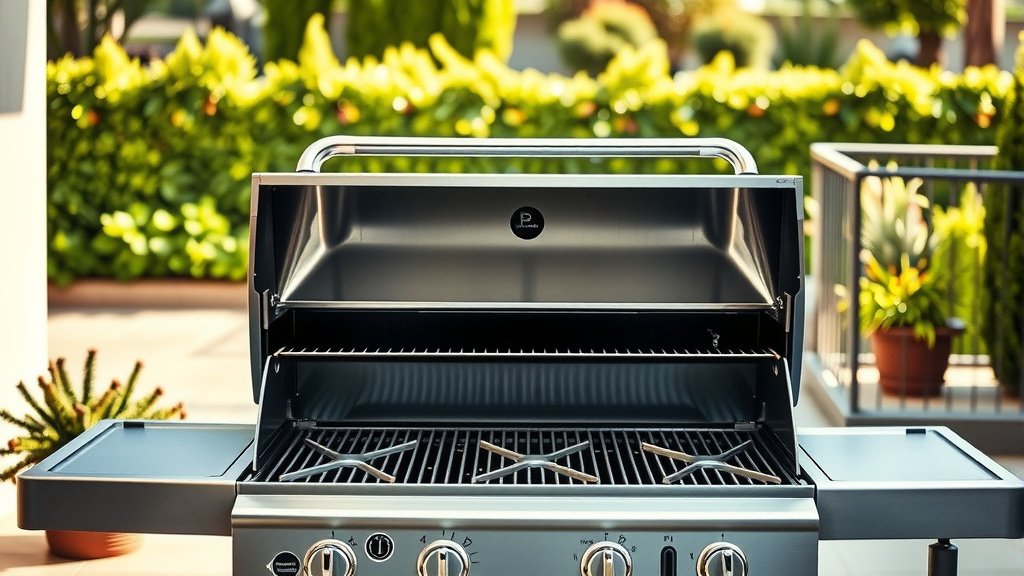
A well-maintained gas grill typically lasts between 5 to 15 years, with higher-quality models often extending beyond a decade when properly cared for.
The lifespan of a gas grill significantly depends on its construction materials, how often you use it, and your commitment to regular maintenance.
TL;DR: Gas Grill Lifespan Key Takeaways
- Gas grills generally last 5 to 15 years, depending on quality and care.
- Premium grills with stainless steel or cast aluminum can last 10+ years.
- Regular cleaning and maintenance are the biggest factors for longevity.
- Environmental conditions, like coastal living, can shorten a grill’s life.
- Knowing when to replace parts versus the whole grill saves you money.
How Long Should A Gas Grill Last?
Most gas grills are built to last anywhere from five to fifteen years. Think of it like a car; a luxury model, well-maintained, will simply last longer than an economy version used roughly every day. The key difference lies in the quality of materials and your care routine.
What Makes a Grill Last Longer? It’s All About Quality
Have you ever wondered why some grills seem to rust out so quickly while others keep going strong? It often starts with what they are made from. A grill isn’t just a box with burners; its components matter.
The Role of Construction Materials
When you’re choosing a gas grill, look closely at the materials used. We found that grills made with 304-grade stainless steel, cast aluminum, or high-quality porcelain-coated steel tend to last much longer. These materials resist rust and corrosion better than thinner, cheaper metals. Think of it as investing in armor for your grill.
How Often You Grill Matters
It makes sense, right? A grill used daily for family dinners will experience more wear and tear than one fired up only on weekends. More heat cycles, more exposure to food drippings, and more cleaning all add up. Many experts say that moderate usage combined with care leads to the best lifespan.
The Power of Proper Grill Maintenance
If your grill could talk, it would probably beg for a good scrub! Regular cleaning and maintenance are perhaps the single most impactful factor in extending its life. Neglect, much like skipping oil changes in your car, will surely lead to an early demise. We often hear stories of grills lasting years because owners simply keep them clean (Barbecue Industry Association insights).
Essential Maintenance Tasks for Longevity
Here’s a quick checklist to keep your grill in prime condition:
-
Clean grates after every use.
-
Empty grease tray regularly.
-
Check burner ports for clogs.
-
Inspect hoses and connections for leaks.
-
Cover your grill when not in use.
-
Perform a deep clean a few times a year.
Environmental Factors: Your Grill’s Worst Enemies
Where you live plays a silent, but significant, role in your grill’s longevity. Imagine a grill sitting outside in a salty coastal breeze versus one tucked away in a dry climate. The elements are relentless.
Humidity and Rain: The Rust Makers
High humidity and frequent rain are magnets for rust. Even if your grill is made of good materials, constant moisture can sneak into crevices and start the oxidation process. This is where a high-quality grill cover becomes your best friend, acting as a shield against the elements.
Sun Exposure: Fading and Cracking
The sun’s UV rays aren’t just bad for your skin; they can degrade plastic components, fade finishes, and even cause paint to peel on your grill. Keeping your grill in a shaded area or under a cover helps protect it from this constant assault.
Understanding When to Replace Components vs. the Whole Grill
Sometimes, your grill isn’t dying; it just needs a few new parts. Knowing what’s replaceable can save you money and extend its functional life.
| Component | Typical Lifespan | When to Replace |
|---|---|---|
| Burners | 3-5 years | Uneven flame, rust, holes |
| Grates | 2-7 years | Excessive rust, food sticking badly |
| Igniter | 5-10 years | Fails to spark reliably |
| Heat Tents/Diffusers | 2-4 years | Rusted through, crumbling |
| Regulator & Hose | 5-10 years | Cracks, leaks, inconsistent gas flow |
Signs It’s Time for a New Grill
There comes a point when repairing becomes more expensive or less safe than buying new. Are you getting uneven heat despite cleaning? Is the firebox rusting through? If the chassis or major structural components are compromised, it’s probably time to retire your old friend. Safety should always be your top priority (Consumer Product Safety Commission guidelines).
Extending Your Gas Grill’s Life: Practical Tips
So, you want your grill to be that reliable companion for many seasons? You can absolutely make a difference with a few simple habits.
Choose Wisely From The Start
When buying, we found that spending a little more upfront on a grill with better materials and construction often pays off in the long run. Look for solid warranties too, as they often indicate manufacturer confidence in their product.
Regular Cleaning is Non-Negotiable
It’s like brushing your teeth – you wouldn’t skip it, would you? A quick brush of the grates after each cook and wiping down the exterior can prevent grime from building up and causing damage. A deeper clean quarterly will help keep burners clear and prevent flare-ups.
Protect From the Elements
A good grill cover is like a winter coat for your grill. It shields it from rain, snow, sun, and even bird droppings. Store your propane tank separately and disconnect it when the grill won’t be used for a while. Consider moving your grill into a garage or shed during long periods of non-use, especially in harsh weather.
Conclusion
Your gas grill’s lifespan isn’t just about luck; it’s a direct result of how you treat it. By choosing a quality model, committing to regular maintenance, and protecting it from the elements, you can significantly extend its useful years. Think of your grill as a trusted tool for making delicious memories – the better you care for it, the longer it will serve you. So, give it a little love, and it will keep cooking up fantastic meals for many seasons to come!
Frequently Asked Questions About Gas Grill Longevity
How do I know if my gas grill is too old to use safely?
Look for signs like excessive rust on the structural frame or gas line, cracked or corroded hoses, gas leaks, or burners that consistently fail to light or produce an even flame. If you notice any of these serious issues, it’s safer to consider replacement rather than risking fire hazards or uneven cooking (Gas Grill Safety Standards).
Is it worth repairing an old gas grill, or should I buy a new one?
It depends on the cost of replacement parts and the overall condition of the grill. If only a few components like grates or burners need replacing, it’s often more economical to repair. However, if the main firebox, lid, or frame is heavily rusted or damaged, a new grill will likely offer better value and safety.
Does keeping my gas grill covered really make a big difference?
Absolutely! A grill cover acts as a shield against rain, snow, direct sunlight, and even dust and pollen. This protection significantly slows down corrosion, prevents fading of finishes, and keeps internal components cleaner, all of which contribute to a much longer lifespan for your appliance.
Can I use my gas grill in winter, and will it shorten its life?
You can certainly use a gas grill in winter, but harsh cold can affect gas flow efficiency and extend preheating times. While occasional winter use won’t drastically shorten its life, leaving it exposed to prolonged freezing temperatures and snow without proper covering can accelerate wear and tear, especially on metal parts and igniters.
What is the most common part to fail on a gas grill?
Burners are often the first major component to fail on a gas grill due to their constant exposure to high heat, grease, and food drippings. Over time, burner tubes can corrode, clog, or develop holes, leading to uneven heat distribution or failure to light. Heat tents or diffusers are also frequent replacements as they bear the brunt of drippings and heat.
