
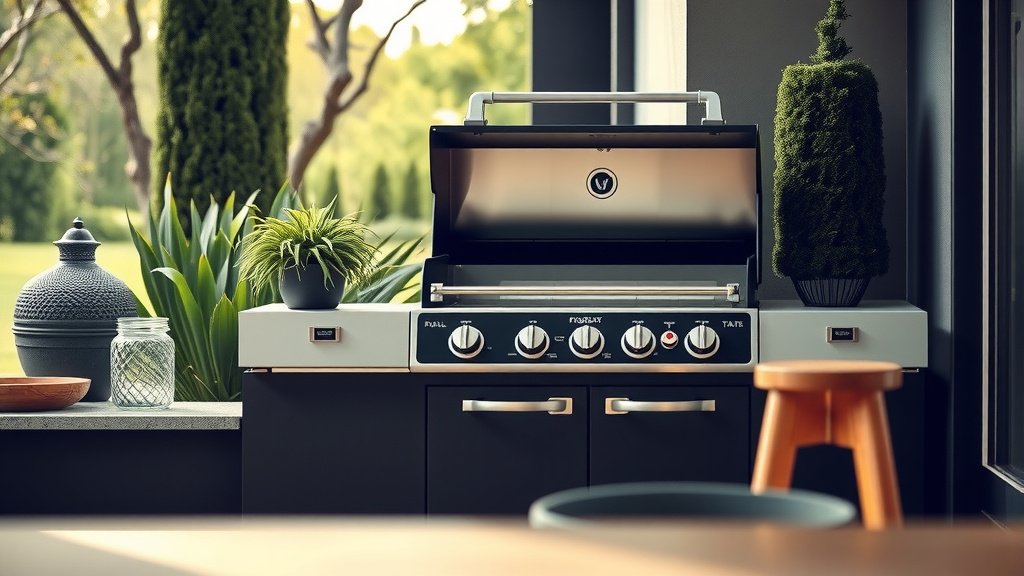
To start a gas grill, first open the propane tank valve slowly, then turn one main burner to a low setting, press the igniter button, and once lit, turn on other burners.
Always ensure the grill lid is open before attempting to light any burners to prevent gas buildup.
Here’s a quick summary for getting your grill fired up safely and effectively:
- Safety First: Always open the grill lid before starting.
- Gas Connection: Check your propane tank connection and ensure the valve is fully open.
- Ignition Process: Turn on one burner to low, then hit the igniter.
- Preheating: Let your grill warm up to temperature for about 10-15 minutes.
- Regular Care: Clean your grill often for smoother, safer starts every time.
How Do You Start A Gas Grill?
Starting a gas grill begins with opening the propane tank valve, then selecting a main burner, turning it to low, and using the igniter to create a flame.
This process ensures a safe and efficient grilling experience, setting you up for delicious meals.
Why Proper Startup Matters
Learning how to start your gas grill correctly is more than just flipping a switch. It’s about safety and getting the best cooking results.
A proper startup prevents gas buildup, which can be dangerous, and makes sure your grill heats evenly.
Think of it like warming up a car engine; you wouldn’t just floor it, right? Your grill needs that same care.
Pre-Grill Checklist: Safety First!
Before you even think about lighting a burner, a quick check can save you headaches. We found that a brief inspection makes a big difference in safety and performance.
This isn’t just extra work; it’s a vital part of responsible grilling (Consumer Reports).
- Lid is Open: Always, always open the lid before turning on gas.
- Gas Tank Full: Check your propane tank level. Is it connected tightly?
- Hoses & Connections: Look for cracks, kinks, or wear on the gas lines.
- Grill Grates Clean: A quick brush removes old food bits.
- Clear Surroundings: No flammable items near the grill.
Checking Your Gas Tank
Your propane tank is the grill’s heart. Make sure it has enough gas. A simple lift can tell you if it’s nearing empty.
Connect the tank securely to your grill. A loose connection means gas can escape, which is something we want to avoid.
Inspecting Hoses and Connections
Take a moment to look at the gas hoses. Are they cracked? Is the connection to the grill tight?
Many experts say to gently bend the hose. If you see tiny cracks, it might be time for a replacement.
A simple soap and water test can also reveal small leaks if you suspect one (NFPA).
Cleaning the Grill Grates
Before lighting, give those grates a quick scrape. Leftover food can cause flare-ups and stick to your new food.
Clean grates also mean more even heat distribution. Nobody wants a burnt steak with raw spots!
Step-by-Step: Lighting Your Gas Grill
Alright, you’ve done your checks. Now it’s time for the main event!
Follow these steps, and you’ll have a lit grill in no time. It’s simpler than you might think.
Opening the Gas Supply
Go to your propane tank. Slowly turn the valve counter-clockwise until it’s fully open. You should hear a faint hiss as the gas flows.
Turning it slowly prevents safety valves from accidentally activating, which some tanks have.
Turning on Burners (Low to High)
Open the grill lid. Now, choose one main burner knob, usually one on the far end, and turn it to the ‘Low’ or ‘Start’ position.
We found starting with one burner first is key. It ensures a controlled ignition.
Pressing the Igniter Button
With the first burner on low, press and hold the igniter button. You’ll hear a clicking sound.
In a few seconds, you should hear a soft “whoosh” and see a flame. If it doesn’t light right away, wait 5 seconds, then try again.
Once that first burner is lit, you can turn on the other burners to your desired setting.
What if the Igniter Fails? Manual Lighting
Don’t panic if the igniter doesn’t work. It happens sometimes, like a stubborn car engine on a cold morning.
With the lid open and one burner turned to low, carefully insert a long grill lighter or a match in a holder near the burner ports. Be quick and cautious.
If it still won’t light, turn off the gas, wait a few minutes for any residual gas to clear, and then try again.
Preheating Your Grill: The Secret Sauce
After lighting, close the lid and let your grill preheat. This step is super important, like heating your oven before baking.
Preheating allows the grill grates to get hot, creating those beautiful sear marks and preventing food from sticking.
It also burns off any tiny food particles left from the last cook.
Many experts suggest a preheat time of 10-15 minutes, or until the grill reaches its target temperature.
| Food Type | Target Temperature | Preheat Time (Approx.) |
|---|---|---|
| Steaks/Burgers | 450-550°F (High) | 10-15 minutes |
| Chicken/Pork | 350-450°F (Medium-High) | 10 minutes |
| Fish/Veggies | 300-350°F (Medium) | 5-10 minutes |
Maintaining Your Grill for Easy Starts
A well-maintained grill is a happy grill, and one that starts reliably every time. Regular care extends its life and makes grilling more enjoyable.
After each use, scrape the grates and empty the grease tray once it cools.
Periodically, check your igniter for corrosion and clean any clogged burner ports.
This simple routine can prevent common starting issues and keep your grill performing its best.
Conclusion
Starting your gas grill is a straightforward process when you know the steps and prioritize safety. From opening the gas valve to the satisfying click of the igniter, each part plays a role.
Remember that essential pre-grill checklist, give your grill time to preheat, and keep it clean for lasting performance. With these tips, you’re ready to enjoy countless delicious meals from your grill.
Happy grilling!
How do I know if my gas tank is empty?
Many propane tanks have a gauge that shows the fuel level. If yours doesn’t, you can pour warm water down the side of the tank. The steel will feel cool to the touch where there’s liquid propane and warmer above that line.
What if I smell gas but the grill isn’t lighting?
If you smell gas but the grill isn’t lighting, immediately turn off the gas at the tank, open the grill lid fully, and wait at least five minutes for the gas to dissipate before attempting to light it again. Never ignore a gas smell.
Can I light a gas grill with a regular match?
While possible, it’s not recommended due to safety. If you must, use a long grill lighter or a match in a holder to keep your hands far from the burners. Always have the lid open and only turn on one burner at a time when doing this.
How often should I clean my grill burner tubes?
We found that cleaning burner tubes about once a year, or if you notice uneven flames, helps maintain good gas flow. Use a wire brush or a narrow tool to clear any blockages from the burner ports.
Why does my igniter sometimes click but not spark?
An igniter that clicks but doesn’t spark often means the igniter electrode is dirty, wet, or corroded. Sometimes the battery (if it has one) might be low. Cleaning the electrode or replacing the battery usually fixes this issue.
