
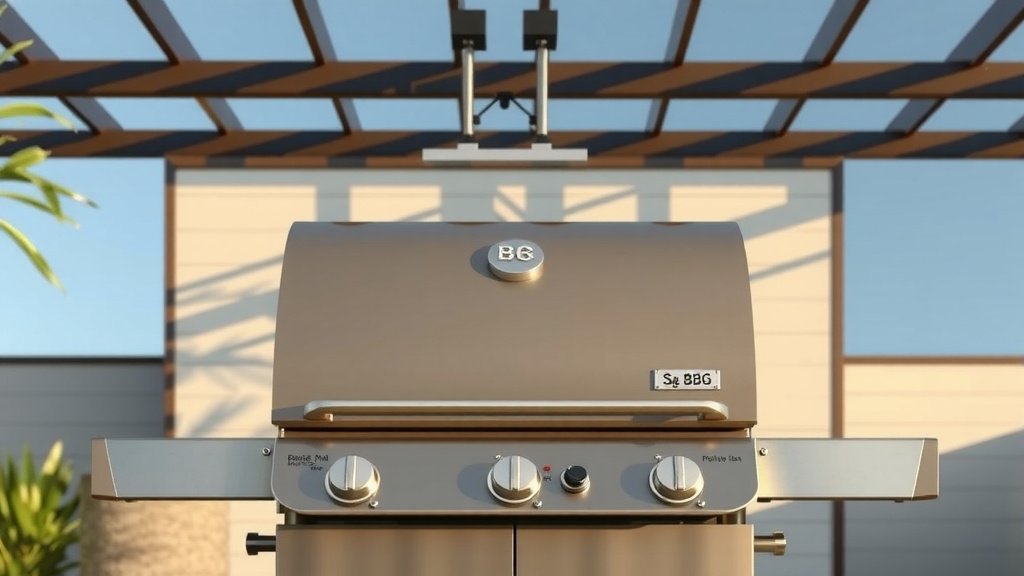
When buying a BBQ grill, you should primarily look for the right fuel type that fits your grilling style and the cooking area size suitable for your typical gatherings.
Also, consider the grill’s build quality for durability, its temperature control capabilities, and the overall features that make your grilling experience enjoyable and efficient.
TL;DR: Here’s a quick look at what truly matters when picking your perfect BBQ grill:
- Choose your fuel type (gas, charcoal, electric, pellet) based on convenience and flavor preference.
- Match the grill size to your family or entertaining needs.
- Prioritize durable materials like stainless steel or cast aluminum for longevity.
- Look for features like precise temperature control and easy cleaning.
- Set a realistic budget, remembering potential accessories.
What To Look For When Buying A BBQ Grill?
Buying a BBQ grill can feel like a big decision, can’t it? The perfect grill for you is out there, waiting to transform your backyard into a culinary haven.
We found that the ideal grill truly depends on your personal grilling habits and what you hope to achieve.
Understanding Your Grilling Needs
Before you even glance at models, pause and consider your own grilling story. What kind of cook are you? Many experts say this self-reflection is the most important first step.
Your Grilling Style
Do you love the slow, smoky flavor of ribs, or are you all about quick weeknight burgers? Your preference for high heat searing versus low and slow smoking will heavily influence your choice.
Are you a spontaneous griller, or do you plan elaborate weekend feasts? This helps decide between quick-start convenience and deep, complex flavor profiles.
How Many People Do You Feed?
Think about your usual crowd. Is it just you and a partner, or are you regularly hosting big family gatherings? The size of your cooking surface needs to align with your entertaining reality.
Don’t buy a giant grill for two steaks, nor a tiny one for a party of ten. Matching the size means you cook efficiently without running out of space.
Fuel Type Matters Most
This is often the biggest decision point for many buyers. Each fuel type offers a distinct grilling experience, from flavor to ease of use. Let’s break down the options.
Gas Grills: Convenience King
Gas grills, typically fueled by propane or natural gas, are all about speed and control. You turn a knob, light it up, and you’re cooking in minutes. Many research sources highlight their quick heat-up time (Consumer Reports).
They offer excellent temperature precision, making them great for searing and indirect cooking. Cleaning up is also generally very straightforward with gas.
Charcoal Grills: Flavor Champion
Ah, the classic. Charcoal grills provide that unmistakable smoky flavor that many grill masters adore. The process takes a little longer, but the rich taste is often worth it for enthusiasts.
You get incredibly high heat for searing, and with practice, you can achieve impressive low-and-slow results. It’s a more hands-on experience, often described as a labor of love.
Electric Grills: Simple & Compact
If you live in an apartment or have grilling restrictions, electric grills are a fantastic option. They are safe, convenient, and require minimal cleanup. They simply plug into an outlet.
While they might not deliver the same smoky flavor as charcoal, they offer a consistent cooking temperature and are perfect for balconies or small patios. They are also super easy to use.
Pellet Grills: The Best of Both Worlds
Pellet grills burn wood pellets, offering a balance of smoky flavor and convenience. They function almost like an outdoor oven, allowing for precise temperature control. We found them great for smoking and roasting.
They can be a larger upfront investment, but many users appreciate the “set it and forget it” nature once the desired temperature is reached. They offer incredible versatility.
| Fuel Type | Pros | Cons | Ideal For |
|---|---|---|---|
| Gas | Quick, precise, easy clean | Less smoky flavor, propane tanks | Everyday grilling, convenience |
| Charcoal | Rich smoky flavor, high heat | Longer heat-up, messy cleanup | Flavor seekers, weekend warriors |
| Electric | Easy, compact, apartment-friendly | No smoke flavor, limited power | Small spaces, beginners |
| Pellet | Versatile, smoky flavor, precise control | Higher cost, requires electricity | Smoking, roasting, hands-off cooking |
Size and Cooking Area
Beyond fuel, the sheer size of your grill dictates how much you can cook at once. Don’t underestimate the need for ample space when hosting. Many sources recommend planning for roughly 70-75 square inches per person (Food Network).
Main Grilling Surface
This is your primary cooking area. Consider how many burgers, steaks, or chicken breasts you typically cook. A family of four might do well with 400-500 square inches, while a party host needs 600+ square inches.
Think about indirect cooking too. You need space to move food away from direct heat. That extra room can be a lifesaver.
Warming Racks and Side Burners
Warming racks keep cooked food hot without overcooking, which is super handy. Side burners are fantastic for preparing sauces or sides, meaning fewer trips back to the kitchen. These add incredible functionality to your outdoor cooking setup.
If you enjoy making a complete meal outdoors, these extra features are definitely worth considering. They allow you to orchestrate your entire meal on the patio.
Build Quality and Materials
A grill is an investment, so you want it to last. The materials used directly impact its durability and how well it performs over time. Many experts emphasize that a sturdy construction prevents warping (Good Housekeeping).
Stainless Steel vs. Cast Aluminum
Stainless steel offers excellent durability and a sleek look, especially higher-grade (304) stainless steel. Cast aluminum, while not as flashy, is rust-resistant and heats evenly. Both are good choices, but stainless often comes at a higher price point.
Inspect the thickness of the metal. Thicker gauges generally mean a more robust, longer-lasting grill. Nobody wants a flimsy grill.
Grate Material: Cast Iron or Stainless Steel?
Cast iron grates retain heat exceptionally well, giving you those perfect sear marks. However, they need careful seasoning to prevent rust. Stainless steel grates are easier to clean and maintain, but might not hold heat quite as intensely.
Porcelain-enameled cast iron combines the best of both, offering great heat retention with easier maintenance. Consider what trade-offs you are comfortable with.
Key Features to Consider
Once you narrow down fuel type and size, dig into the specific features that will enhance your grilling. These small details can make a big difference in daily use.
BTU Power: More Than Just a Number
BTU (British Thermal Unit) measures heat output. While a higher BTU can be good for quick searing, it’s not the only factor. A grill’s design and efficiency also play a role. Look for a balance of BTU per square inch of cooking surface.
A well-designed grill with lower BTUs might heat more effectively than a poorly designed one with high BTUs. It’s about how efficiently heat is distributed.
Temperature Control
Precise temperature control is a game-changer. Look for multiple burners on gas grills, allowing for different heat zones. This makes it easy to cook various foods at once. Good dampers are also important on charcoal grills for controlling airflow and heat.
The ability to easily adjust and maintain temperatures ensures your food cooks perfectly every time. You don’t want to constantly babysit your grill.
Ignition Systems
Reliable ignition is key for gas grills. Look for systems that spark consistently and easily. Many experts suggest a push-button electronic igniter for simplicity. Nobody wants to struggle with lighting their grill.
Easy Cleaning Features
Drip trays, removable grease pans, and easy-to-clean grates save you time and effort. Nobody enjoys scrubbing a dirty grill more than necessary. These features make your post-grill routine much smoother.
Here’s a quick checklist for your grill buying journey:
- Consider your primary fuel type preference.
- Confirm the grill size meets your family’s needs.
- Check the build material for long-term durability.
- Assess the quality of the cooking grates.
- Look for reliable ignition and temperature control.
- Ensure it has convenient cleaning features.
Budgeting for Your BBQ
Grills come in a huge price range. Set a realistic budget before you start shopping to avoid disappointment. Remember, a higher price doesn’t always guarantee the perfect grill for your specific needs, but quality often comes with a cost.
Don’t Forget Accessories
Beyond the grill itself, factor in accessories like grill covers, cleaning brushes, grilling tools, and perhaps a propane tank. These items can add up, so include them in your overall budget. We often forget these vital extras.
Conclusion
Choosing the right BBQ grill is about finding a tool that fits your life and enhances your outdoor cooking. By considering your grilling style, preferred fuel, necessary size, and key features, you’ll be well-equipped to make a decision you’ll love for years.
Take your time, weigh your options, and soon you’ll be enjoying fantastic meals straight from your ideal grill. Happy grilling!
What’s the best grill for beginners?
For beginners, a gas grill is often recommended due to its ease of use, quick heat-up time, and precise temperature control. Electric grills are also great for simplicity, especially in limited spaces.
How important is BTU when buying a gas grill?
BTU (British Thermal Unit) indicates heat output, but it’s not the only factor. A grill with a lower BTU can be very efficient if it has good design and even heat distribution. Focus on BTU per square inch and overall grill construction rather than just a high number.
Can I use a charcoal grill on a small apartment balcony?
Generally, no. Most apartment complexes and HOAs have rules prohibiting open flame grills like charcoal or propane on balconies due to fire safety concerns. An electric grill is usually the safe and approved option for such spaces.
Is stainless steel always the best material for a grill?
While stainless steel offers great durability and rust resistance, especially higher grades like 304, it’s not the only good option. Cast aluminum is also very durable and rust-resistant. The thickness and quality of the specific steel are more important than just the material name.
Should I get a grill with side burners?
Side burners are a fantastic addition if you enjoy preparing a full meal outdoors, heating sauces, or keeping items warm. If you typically just grill meat and nothing else, you might not use it often. Consider your cooking habits to decide if it’s a necessary convenience for you.
